Underwater Wonders: From Marsa Alam’s Coral Gardens to Hurghada’s Wrecks
Quick Summary: Glide over Marsa Alam’s seagrass meadows and turtle-cleaned coral gardens, then chase Hurghada’s shipwreck silhouettes and offshore shark drifts. This Red Sea destinations route blends beginner-friendly coves with advanced pinnacles—plus practical timing, logistics, and sustainability tips for unforgettable, low-impact dives and snorkels.
What Makes This Experience Unique
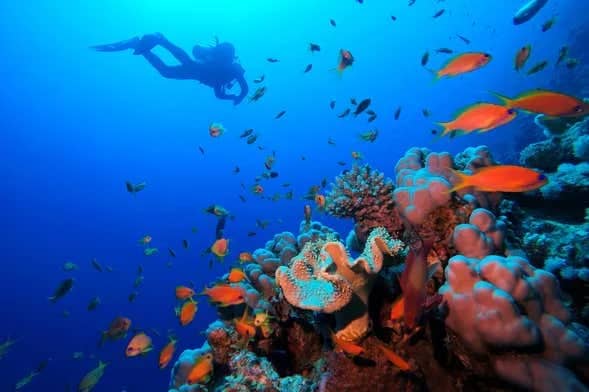
This route compresses the Red Sea destinations’s spectrum into one shoreline journey. In Marsa Alam, shore-access gardens and seagrass meadows promise turtles, occasional dugongs, and mellow drifts. Northward, Hurghada adds cinematic shipwrecks and offshore routes that hint at sharks and schooling barracuda. Few coastlines offer such contrast—gentle entry-level snorkels beside advanced blue-water walls—in a single trip.
Where to Do It
Best Time / Conditions
Expect visibility of 20–30 m year-round. Sea temps range roughly 22–24°C in winter and 28–30°C in late summer, guiding your suit choice (5 mm in winter; 3 mm spring–autumn). Early mornings bring gentler winds and fewer boats. Autumn often sees pelagic traffic at Elphinstone, while spring’s calm favors family snorkels on Giftun’s leeward reefs.
What to Expect
In Marsa Alam, gentle entries lead to coral gardens, turtles, and the chance of dolphins at Samadai (snorkeling tours only in designated zones). Elphinstone ups the pulse with downcurrent edges and occasional oceanic whitetips for qualified divers. Hurghada delivers easy reef snorkels, the El Mina harbor wreck, and day boats to Abu Nuhas’s storybook silhouettes.
Who This Is For
First-timers and families will love Abu Dabbab’s shallow seagrass and Giftun’s clear lagoons. Confident snorkelers can handle Samadai’s open blue with a guide. Certified divers progress from Abu Ramada’s sloping gardens to wreck penetrations (with training) and blue-water drifts. Photographers find macro on Marsa Alam’s reefs and wide-angle drama on Hurghada’s wrecks.
Booking & Logistics
Sustainable Practices
Float, don’t stand—corals are living architecture. Master neutral buoyancy, clip gauges, and use mooring lines instead of anchoring. Wear mineral, reef-safe sunscreen and UPF layers. Keep respectful distances from turtles and dolphins; never feed or chase. Choose operators with no-touch policies, refill stations, and ranger-supported trips. Pack out micro-trash and log responsible sightings.
FAQs
Below are the most common questions travelers ask as they plan a south-to-north Red Sea destinations journey. We cover certification needs for signature sites, how to pick between snorkeling tours and diving experiences days, and the realistic odds of shark encounters—plus how to experience them responsibly with trained guides and reputable boats.
Do I need special certification for Elphinstone or wrecks?
Advanced Open Water (or equivalent) with recent drift/deep experience is strongly recommended for Elphinstone, and for any wreck penetration training. Many wrecks at Abu Nuhas are enjoyable externally at 10–25 m. If you’re newer, book guided, no-penetration dives or opt for nearby reef circuits until you’re ready.
Is snorkeling tours worthwhile if I don’t dive?
What about sharks—how likely, and is it safe?
Nearshore reefs see sharks infrequently. At offshore sites like Elphinstone, seasonal pelagics appear; encounters are typically brief and controlled when divers follow guides, keep distances, avoid chumming, and maintain calm, vertical profiles. Choose reputable boats with safety briefings, SMBs per diver, and clear current protocols.
Pair it with ourMarsa Alam vs. Sharm El Sheikh: Which Dive Destination?
Choosing between the Red Sea destinations's two premier dive destinations? Our Marsa Alam vs. Sharm El Sheikh comparison breaks down the key differences—from Marsa's rare dugong encounters and pristine reefs to Sharm's iconic Thistlegorm wreck and vibrant nightlife.