
Quick Summary
- Best trip length:
- 3 days for highlights
- 5 days for balanced wildlife + reef coverage
- 7 days for southern reefs + weather flexibility
- Best all-round months:
- October: water 28°C, air 30°C
- November: water 27°C, air 27°C
- May: water 25°C, air 31°C
- Best core wildlife experiences:
- Abu Dabbab for turtles and possible dugong
- Marsa Mubarak for turtles, coral gardens, reef fish
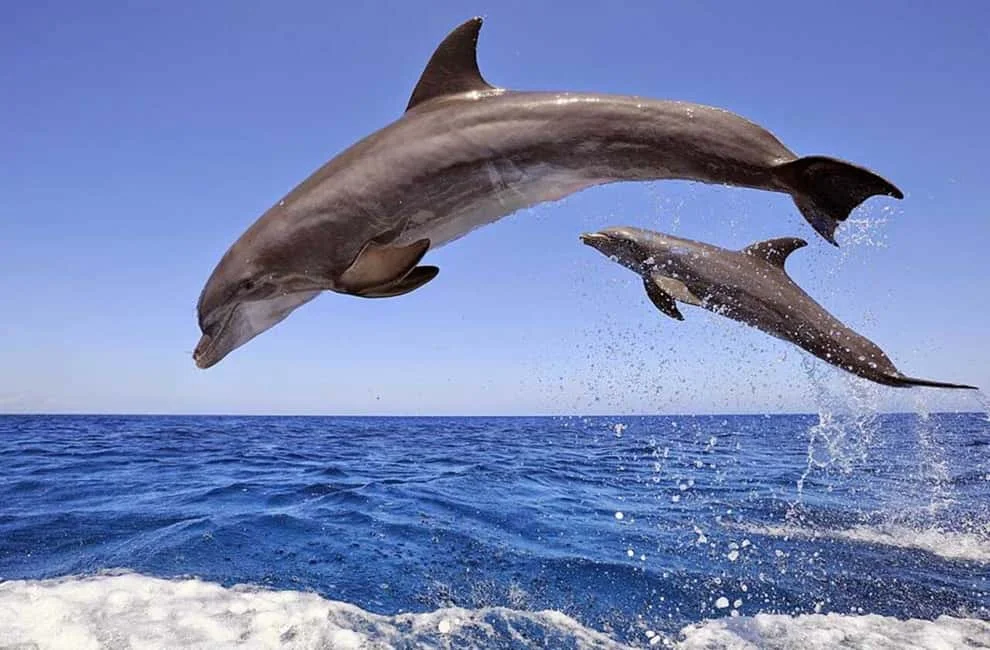
- Sataya for spinner dolphins
- Elphinstone for advanced divers and pelagic action
- Hamata for long 7-day itineraries
- Best base areas:
- Port Ghalib for marina departures
- Abu Dabbab/Madinat Coraya area for mixed shore + boat plans
- Southern resorts only if Hamata or Sataya are central to the trip
- Offshore rule: do not stack 2 demanding offshore diving days back-to-back unless sea state is very settled
- Typical excursion pricing:
- Abu Dabbab beach access/snorkel day: €28
- Marsa Mubarak boat day: €47
- Samadai dolphin trip: €63
- Sataya dolphin trip: €80
- Elphinstone dive day: €93
- Hamata islands trip: €70
- Wadi El Gemal excursion: €60
- Planning rule:
- 1 offshore boat day in 3 days
- 2 boat days in 5 days
- 3 boat days in 7 days, with 1 shore reset day

Why Marsa Alam Works So Well for Wildlife-Focused Trips
Marsa Alam's biggest advantage is access efficiency. You can combine house reefs, turtle bays, offshore pinnacles, and southern marine-park day trips without the urban transfer burden common in Hurghada or the more dive-centric routing of Sharm El Sheikh (Egyptian Tourism Authority; PADI, 2025).
For reef lovers, that means less time on buses and more time in the water. For wildlife travelers, it means a realistic chance to see spinner dolphins, green turtles, hawksbills, dugong in seagrass zones, reef sharks offshore, and eagle rays over productive reef edges in a single trip window.
Top Wildlife and Reef Experiences Compared
The best Marsa Alam itineraries mix shore access with one or two boat-led headline days. Shore days reduce wind risk and fatigue; offshore days deliver the bigger wildlife moments.
| Experience | Access type | Typical boat/drive time | Average trip length | Best for | Indicative price | Wildlife highlights |
|---|---|---|---|---|---|---|
| Abu Dabbab | Shore entry | 10–45 min drive from central zones | 3–6 hrs | Snorkelers, families, mixed couples | €28 | Green turtles, occasional dugong, blue-spotted rays |
| Marsa Mubarak | Full-day boat | 20–35 min transfer + 35–50 min sail | 7–8 hrs | Snorkelers wanting coral + turtles | €47 | Green turtles, seagrass life, coral gardens |
| Sataya Reef | Full-day boat | 60–120 min road south + 2–2.5 hrs sail | 10–13 hrs | Dolphin-focused travelers, strong swimmers | €80 | Spinner dolphins, reef fish, open lagoon snorkeling |
| Shaab Samadai | Full-day boat | 15–35 min transfer + 45–60 min sail | 8–9 hrs | Short stays, dolphin trips with easier logistics | €63 | Spinner dolphins, coral blocks, lagoon snorkel |
| Elphinstone Reef | Offshore dive boat | 20–40 min transfer + 30–45 min sail | 7–8 hrs | AOW/experienced divers | €93 | Reef sharks, oceanic whitetip in season, barracuda |
| Hamata Islands | Southern boat trip | 90–150 min road + 30–45 min sail | 10–12 hrs | 7-day trips, photographers, quiet reefs | €70 | Hard coral gardens, turtles, reef fish, rays |
| Wadi El Gemal | Land + coastal excursion | 45–90 min drive | 6–8 hrs | Non-divers, split wildlife/desert day | €60 | Coastal habitats, mangroves, birds, landscape |
| House reefs | Shore entry | 0–15 min walk/buggy | 1–3 hrs per session | Every traveler type | €13 | Reef fish, turtles in some resorts, macro life |
Pricing reflects current activity listings and local operator pricing pages for 2025–2026 (Egyptian Tourism Authority).
Logistics That Actually Matter
Marsa Alam planning is mostly about transfer compression. If your hotel is near Port Ghalib or Coraya, marina-based days become much easier; if you stay far south, Hamata improves but Port Ghalib departures get longer.
| Route or zone | Distance | Typical transfer time | Main use |
|---|---|---|---|
| Marsa Alam Airport to Port Ghalib | 7.6–8.4 km | 11–15 min | Marina departures, overnight base |
| Marsa Alam Airport to Marsa Alam town | 60 km | 50–60 min | Town stay, southbound routing |
| Marsa Alam town to Hamata | 109.6 km | 1 hr 34 min | Southern excursions, Fury Shoals access |
| Port Ghalib to Abu Dabbab | 34–38 km | 35–45 min | Turtle bay shore day |
| Port Ghalib to Elphinstone departure area | 25–35 km | 25–40 min | Offshore dive departure |
| Port Ghalib to Samadai marina check-in | 0–10 km | 5–15 min | Dolphin day trip |
| El Quseir to Port Ghalib | 67–75 km | 55–70 min | Marina day departure from north |
| Abu Dabbab zone to Port Ghalib | 34–38 km | 35–45 min | Boat day transfer |
| Central Marsa Alam resorts to Hamata | 100–130 km | 90–150 min | Long southern day trip |
| Coraya/Madinat Coraya to Port Ghalib | 8–12 km | 10–15 min | Easiest mixed base |
Core transfer data is supported by route aggregators and airport distance references for the Marsa Alam area.
How Many Days Do You Really Need in Marsa Alam?
3 days is enough for the highlights if you stay disciplined: one turtle-focused shore day, one headline boat day, and one flexible reef reset. It works best for snorkelers and mixed couples who want strong wildlife odds without long southern transfers.
5 days is the optimal itinerary length for most travelers. It gives you two major boat or offshore days, one or two shore-access wildlife sessions, and one buffer day for wind, fatigue, or a second go at a favorite site.
7 days is where Marsa Alam becomes a serious reef destination rather than a beach add-on. That is the point where Hamata, Sataya, or a split snorkel-and-dive structure becomes practical without overloading the schedule.

Month-by-Month Seasonality for Wildlife and Sea Conditions
Seasonality in Marsa Alam is less about whether you can get in the water and more about what kind of trip you can run efficiently. Winter favors sheltered bays and smart departure timing; autumn is strongest for all-round offshore access and warm water.
| Month | Avg air temp °C | Avg water temp °C | Wind/chop tendency | Spinner dolphins | Turtles | Dugong | Reef sharks | Oceanic whitetip | Eagle rays |
|---|---|---|---|---|---|---|---|---|---|
| Jan | 22 | 23 | Moderate, mornings better | Medium | High | Medium | Medium | Low-Med | Medium |
| Feb | 23 | 22 | Moderate-high | Medium | High | Medium | Medium | Low-Med | Medium |
| Mar | 25 | 22 | Moderate | Medium | High | Medium | Medium | Low | Medium |
| Apr | 29 | 23 | Moderate | High | High | Medium | Medium | Low | High |
| May | 31 | 25 | Low-moderate | High | High | Medium-high | Medium | Low | High |
| Jun | 33 | 27 | Low-moderate | High | High | Medium-high | Medium | Low | High |
| Jul | 35 | 28 | Low | High | High | Medium | Medium | Low | Medium-high |
| Aug | 35 | 29 | Low | High | High | Medium | Medium | Low | Medium-high |
| Sep | 33 | 29 | Low | High | High | Medium-high | High | Medium | High |
| Oct | 30 | 28 | Low-moderate | High | High | High | High | High | High |
| Nov | 27 | 27 | Low-moderate | High | High | High | High | High | High |
| Dec | 23 | 25 | Moderate | Medium-high | High | Medium | Medium-high | Medium | Medium |
Temperature baselines align with regional Red Sea seasonal patterns and current Marsa Alam diving guidance noting year-round diving with winter sea temperatures rarely below 22°C (PADI, 2025; Egyptian Tourism Authority).
Best season by trip goal
- Best all-round wildlife window: September to November
- Best easy snorkeling window: April to June
- Best winter sun reef trips: October to April
- Best offshore pelagic potential: October to January
- Best family-friendly sea-state window: May, June, September
Best Itinerary by Traveler Type
Different traveler profiles need different ratios of boat time, shore entries, and recovery time. This is where most generic Marsa Alam guides fail.
| Traveler type | Best trip length | Best experiences | Boat days | Shore/beach days | Key note |
|---|---|---|---|---|---|
| Snorkelers | 5 days | Abu Dabbab, Marsa Mubarak, Samadai | 2 | 2–3 | Best wildlife return without dive certification |
| Certified divers | 5–7 days | Elphinstone, house reefs, southern reefs | 2–3 | 2–3 | Avoid back-to-back exposed offshore days |
| Mixed couples | 5 days | Abu Dabbab + one dolphin day + one easy reef day | 2 | 3 | Balances intensity well |
| Families with older children | 3–5 days | Abu Dabbab, house reef, Samadai | 1–2 | 2–3 | Choose shorter transfer bases |
| Underwater photographers | 7 days | Hamata, Marsa Mubarak, house reefs, dawn shore entries | 2–3 | 4 | Needs repeat-site flexibility |
| Freedivers | 5 days | Bays, house reefs, calm-morning boat sessions | 1–2 | 3–4 | Wind matters more than trip length |
| Winter sun travelers | 5 days | Sheltered bays + one boat day | 1–2 | 3–4 | Prioritize south-facing or protected bays |
3-Day Marsa Alam Itinerary
This is the best short-stay framework for first-timers and wildlife-focused snorkelers. It avoids overcommitting to long-distance southern routes and keeps your best wildlife day early enough to recover.
Who this 3-day plan suits best
- First-time Marsa Alam visitors
- Snorkelers
- Mixed couples
- Families with older children
- Winter travelers who need flexibility
Day 1 — Abu Dabbab turtle session + sunset house reef
Start with the easiest high-yield wildlife bay. Abu Dabbab is a smart opening day because it works without a boat, puts you in turtle habitat quickly, and lets you recover from travel.
- 07:15 hotel pickup
- 07:45–08:00 arrival from Port Ghalib/Coraya zone
- 08:00–10:00 first snorkel window
- 10:00–11:00 beach break
- 11:00–12:30 second snorkel window
- 12:30–13:15 return transfer
- 16:30–17:30 optional house reef session
- Early morning reduces beach crowding
- Seagrass visibility is usually cleaner before midday fin traffic
- If dugong is present, guides often hear about sightings early in the morning — this is one of the most reliable local signals that experienced Hurghada-based operators use when routing clients to Abu Dabbab versus Marsa Mubarak on the same day
Day 2 — Marsa Mubarak or Samadai boat day
Choose based on your priority. Marsa Mubarak is better for turtles and relaxed snorkeling; Samadai is better if dolphins are the main target.
Marsa Mubarak timing:
- 06:45 marina check-in
- 07:30 departure
- 08:15–09:00 first reef stop
- 10:15–11:00 Marsa Mubarak main session
- 12:00 lunch onboard
- 13:00–14:00 second snorkel stop
- 15:00 return to marina
- 15:30 hotel drop-off
- 06:15–06:45 pickup
- 07:00 marina check-in
- 07:45 departure
- 08:30–09:00 arrival zone briefing
- 09:00–11:30 regulated snorkel sessions by zone
- 12:00 lunch
- 13:00–14:30 second lagoon or reef session
- 15:30 return
Day 3 — Low-wind backup day
On a 3-day trip, the final day should stay flexible.
Best options:
- House reef dawn session: 06:30–08:00
- Second Abu Dabbab visit if turtle sighting was weak
- Wadi El Gemal half-day if the sea is choppy
- Intro dive in sheltered bay if conditions are calm
- 1 boat day
- 2 shore or low-transfer days
5-Day Marsa Alam Itinerary
This is the strongest plan for most travelers. It gives enough time for two marquee experiences, one rest or weather-adjustment block, and one specialist day.
Who this 5-day plan suits best
- Most first-time visitors
- Wildlife-first snorkelers
- AOW divers traveling with non-divers
- Couples wanting variety without long fatigue days
Day 1 — Arrival + short house reef acclimatization
- 15:00 airport arrival example
- 15:15–15:30 transfer if staying Port Ghalib/Coraya
- 17:00–17:45 sunset house reef snorkel
- Early night for marina day
Day 2 — Abu Dabbab prime window
- 06:45 pickup
- 07:30 arrival
- 07:45–09:45 first session
- 10:30–11:30 second session
- 12:15 lunch
- 13:00 return
- 16:30 optional pool or reef rest
Day 3 — Samadai or Marsa Mubarak
Use Samadai if dolphins matter more; use Marsa Mubarak if the trip is snorkeling-led and you want calmer pacing.
- 06:15–07:00 check-in and departure prep
- 08:30 first water entry
- 12:00 lunch
- 15:00 marina return
- 15:30 hotel transfer
Day 4 — Recovery or split activity day
This day keeps the itinerary strong. It is what prevents burnout before the final major excursion.
Best use cases:
- House reef photography session 06:30–08:00
- Wadi El Gemal 08:00–15:00
- Beach reset + night marina walk
- Intro dive or second Abu Dabbab attempt
Day 5 — Elphinstone for divers or Sataya for snorkelers
Divers:
- 05:45 pickup
- 06:15 marina check-in
- 07:00 departure
- 07:45–08:30 first dive briefing and entry
- 10:30 second dive window
- 12:00 lunch
- 14:00 marina return
- Sataya requires a very early start and a long day
- 04:30–05:15 pickup
- 06:00 southern marina or staging point
- 08:00+ boat movement after road sector
- Return often 18:00–19:30 depending on hotel zone
- 2 boat days standard
- 1 optional third intensive day only if energy and weather allow
7-Day Marsa Alam Itinerary
Seven days is the fully rounded reef-and-wildlife itinerary. It is the first trip length where southern sites like Hamata become logical rather than forced.
Who this 7-day plan suits best
- Underwater photographers
- Divers and snorkelers traveling together
- Repeat Red Sea travelers
- Winter sun travelers wanting weather buffer
- Wildlife-first travelers who dislike rushed schedules
Day 1 — Arrival + sunset house reef
- Keep it easy
- 30–45 min water session max
- Gear check, no major excursion
Day 2 — Abu Dabbab early double session
- 06:45 pickup
- 07:30–09:30 main session
- 11:00–12:00 second pass
- Back by 13:30
Day 3 — Samadai or Marsa Mubarak
Choose the easier of your planned major boat days first. Save the longest or most weather-sensitive excursion for later in the week.
Day 4 — Rest, Wadi El Gemal, or house reef macro day
This day is non-negotiable in a good 7-day itinerary. It protects the value of Days 5 and 6.
Day 5 — Elphinstone or advanced dive day
For AOW divers:
- 05:45 pickup
- 06:15 check-in
- 07:00 departure
- 08:00 first drop
- 10:30 second dive
- Back 14:00–15:00
- Replace with premium house reef day or private bay snorkel
Day 6 — Hamata Islands or Sataya
Use this only in 7-day frameworks because the transfer burden is substantial.
Typical Hamata structure:
- 05:00–06:00 pickup depending on hotel zone
- 07:30–08:00 southern embarkation
- 08:30–14:30 island and reef sessions
- 17:00–18:30 return
- Long road sector of 90–150 minutes each way
- Better enjoyed after one rest day
- Easy to swap with Day 5 based on wind forecast
Day 7 — Flexible repeat of your best condition day
This is your high-value buffer.
- If dolphins were weak, repeat Samadai or Sataya if available
- If wind closed offshore options, use Abu Dabbab
- If photography is the goal, run dawn and late-afternoon house reef windows
Reef Access Strategy That Saves Trips
Marsa Alam works best when you match site type to sea state and traveler energy.
Best sites for shore entry
- Abu Dabbab
- Most resort house reefs
- Select protected bays near Coraya and central resort zones
- Lower cancellation risk
- Better for half-day wildlife windows
- Easier for families and mixed-confidence snorkelers
Best sites for zodiac drop-offs or exposed entries
- Elphinstone
- Some advanced offshore dive sites
- Certain southern reef sectors in windier periods
Best sites for full-day boat access
- Sataya
- Samadai
- Marsa Mubarak
- Hamata reef circuits
Why early departures reduce wind risk
The Red Sea often builds surface chop later in the day. Early marina check-in is not just operator preference; it is a practical way to maximize first-entry calm and protect the second stop from deterioration.
Why you should avoid back-to-back offshore diving days
Even strong divers lose efficiency when stacking exposed days. Current load, early wake-ups, dehydration, and sun exposure reduce dive quality on day two more than most itineraries admit.
Certification, Ability, and Activity Mix
Not every flagship Marsa Alam site fits every qualification level.
OW vs AOW suitability
- OW / beginner-friendly:
- Abu Dabbab
- Sheltered house reefs
- Intro dives in calm bays
- Many Marsa Mubarak-style mixed trips
- AOW or experienced diver territory:
- Elphinstone
- Current-exposed offshore reefs
- Deep wall routes
Common age and operator limits
- Intro dive minimum age commonly: 10 years
- Junior OW / family dive products commonly start: 10 years
- Dolphin boat trips commonly accepted for children: 4–6+ depending on operator and sea state
- Exposed offshore dive boats may reject minors or inexperienced divers in rough conditions
Ideal activity mix by trip length
- 3 days:
- 1 boat day
- 2 shore or easy bay days
- 5 days:
- 2 boat days
- 2 shore days
- 1 flexible recovery day
- 7 days:
- 3 boat days maximum
- 2 shore days
- 1 recovery day
- 1 weather-flex repeat day
Local Insights from Hurghada-Based Operators
Local operators know that the difference between a good Marsa Alam trip and a frustrating one is often 90 minutes of timing.
- Sataya and Samadai require very early marina check-in because berth sequencing, marine-park controls, and the first calm-water entry window matter more than guest convenience.
- Abu Dabbab is best visited between 07:30 and 10:30 if your goal is turtles with less fin traffic and cleaner seagrass visibility.
- One insight that rarely appears in travel guides: operators based in the region track dugong sighting patterns by seagrass bed condition after strong northerly wind events. When the northerly drops and visibility recovers, the 48-hour window that follows is statistically the most productive for dugong encounters at Abu Dabbab — experienced local guides will often reroute clients specifically into this window rather than following a fixed schedule.
- A second local insight: Port Ghalib marina berth allocation for Sataya boats is informal and first-come. Groups that arrive 15 minutes after the agreed check-in time on busy days can lose their preferred vessel position, which directly affects which dolphin zone they enter first. This is why operators with strong local relationships consistently outperform booking-platform operators on Sataya days.
- Wind exposure is not equal: Elphinstone becomes uncomfortable faster than sheltered bays, Samadai is easier than Sataya logistically, and house reefs can stay usable even when longer southern trips feel too ambitious.
- Southern sites like Hamata are wasted in rushed itineraries. Once you add a 90- to 150-minute road sector each way, they only make real sense in a 7-day framework.
- If the forecast is borderline, smart operators move your highest-value offshore day earlier in the week and keep Abu Dabbab or house reef sessions as fallback inventory.
Realistic Trip Cost Breakdown
Costs vary sharply by base, equipment needs, and how many marina days you run. The table below reflects realistic independent traveler budgets using current excursion pricing, mid-market accommodation assumptions, and standard meal patterns.
| Traveler style | Trip length | Accommodation | Day boats | Private transfers | Equipment rental | Marine park/entry fees | Meals | Total trip cost |
|---|---|---|---|---|---|---|---|---|
| Budget | 3 days | €120 | €55 | €35 | €20 | €10 | €45 | €285 |
| Mid-range | 3 days | €240 | €110 | €70 | €30 | €20 | €75 | €545 |
| Premium | 3 days | €480 | €190 | €140 | €40 | €30 | €135 | €1,015 |
| Budget | 5 days | €200 | €125 | €55 | €30 | €20 | €75 | €505 |
| Mid-range | 5 days | €400 | €220 | €110 | €45 | €35 | €125 | €935 |
| Premium | 5 days | €800 | €360 | €220 | €60 | €45 | €225 | €1,710 |
| Budget | 7 days | €280 | €210 | €75 | €40 | €30 | €105 | €740 |
| Mid-range | 7 days | €560 | €355 | €150 | €60 | €50 | €175 | €1,350 |
| Premium | 7 days | €1,120 | €560 | €300 | €80 | €65 | €315 | €2,440 |
Price assumptions use current public activity pricing and transfer benchmarks from live listings and route data (Egyptian Tourism Authority, 2025–2026).
Marsa Alam vs Hurghada vs Sharm El Sheikh for Wildlife Travelers
For wildlife-focused travelers, Marsa Alam is usually the strongest fit. The main reason is lower transfer burden between resort zones and turtle/dugong-oriented bays, plus stronger access to southern reef systems (Egyptian Tourism Authority).
| Destination | Transfer burden to best reefs | Shore-snorkel quality | Turtle/dugong likelihood | Offshore access | Pace | Best for |
|---|---|---|---|---|---|---|
| Marsa Alam | Low to moderate | Very high | Highest of the three | Strong | Relaxed | Wildlife-first trips |
| Hurghada | Moderate to high | Moderate | Low to medium | Strong but busier | Busy | Mixed resort + boat holiday |
| Sharm El Sheikh | Moderate | High in select reefs | Low for dugong, medium for turtles | Very strong | Moderate | Pure reef and dive trips |
| Dahab | Low | High for shore diving | Low for dugong, low-medium for turtles | Moderate | Very relaxed | Technical divers, freedivers |
| El Quseir | Low | High | Medium | Moderate | Quiet | Photographers, repeat visitors |
Marsa Alam's advantage is not nightlife or city infrastructure. It is habitat proximity: turtle bays, seagrass systems, quieter reef pressure, and better southern range for longer itineraries.
Wildlife Ethics That Matter in Marsa Alam
Wildlife encounters in Marsa Alam only stay good if visitors behave well. This directly affects long-term sighting quality and reef health.
Turtle and dugong rules
- Keep at least 3 m from turtles
- Keep at least 5 m from dugong
- Never block surfacing path
- Do not dive down repeatedly over feeding animals
- Maintain neutral finning over seagrass beds
Dolphin rules
- No chasing
- No touch attempts
- Enter calmly and in small guided groups where required
- Let dolphins choose the interaction distance
- If the pod changes speed or direction rapidly, the interaction is already too intrusive
Reef behavior
- No standing on coral
- No kneeling for photos
- Streamline fins and accessories in shallow gardens
- Follow marine-park zoning and in-water time limits


