Red Sea Hidden Gems: Quiet Egypt for Travelers Who Know
Quick Summary: Base yourself on the Red Sea, then slip inland: float in Siwa’s salt lakes, wander Dahshur’s crowd-free pyramids, and share tea in Nubian villages. These human-scale detours keep Egypt’s ancient hush alive—close enough for easy add-ons, far enough to feel like a secret.
Egypt’s headline sights glow bright—but there’s a softer frequency if you tune in. From a Red Sea base, it’s surprisingly easy to step sideways into hush: Siwa’s palm shadows, Dahshur’s empty sand ringing with pyramid geometry, and Nubian villages where doors are painted with stories. These are places where the past still whispers—and the living culture answers.
What Makes This Experience Unique
It’s the intimacy. Instead of ticking big-name boxes, you’re invited into rooms where the air is still: a salt lake that holds you as you float, a pyramid plateau with more wind than voices, the lilt of Nubian conversation over mint tea. The reward is pace—time to notice texture, taste, and the way landscape shapes people.
Where to Do It
Siwa Oasis (Western Desert): Siwa is the long, slow exhale of Egypt—date palms, sand, and salt lakes with buoyant water that makes floating almost effortless. It’s far from the Red Sea coastline, so it works best as a dedicated add-on if you’re already planning a few days away from the beach. The classic loop includes the salt lakes, the Oracle Temple area, and a sunset stop on a sand dune when the temperature drops.
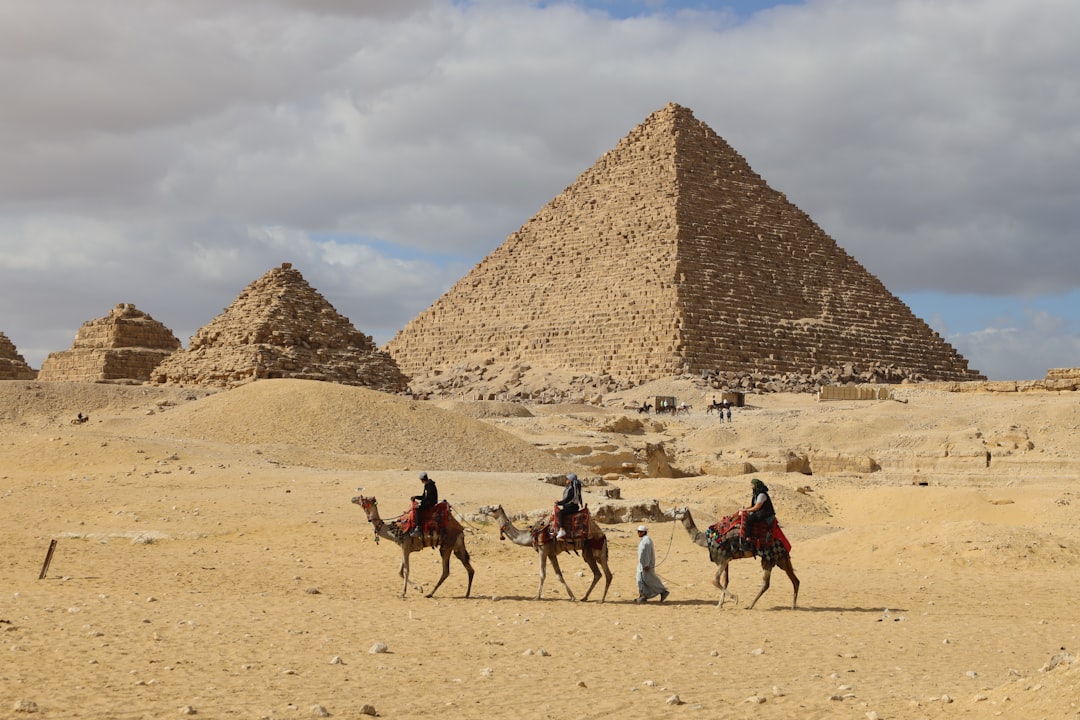
Dahshur (south of Cairo): If you want pyramid scale without the Giza crowds, Dahshur is the cleanest trade you can make. The Bent Pyramid’s angled silhouette and the Red Pyramid’s deep red limestone feel striking in the open desert, and the site often reads as quiet even in busy seasons. This is an easy fit if you’re transiting through Cairo en route to (or from) Red Sea hubs like Hurghada, El Gouna, or Sharm El Sheikh.
Nubian villages near Aswan (Upper Nile): Nubian life is a living culture, not a museum stop—brightly painted walls, courtyards, and hospitality that often begins with tea. From a Red Sea base, this pairs well with a short Upper Egypt segment: a few days around Aswan, with time for a village visit and a slow boat ride on the Nile. It’s a warmer, more personal counterpoint to the coast’s resorts and boat schedules.
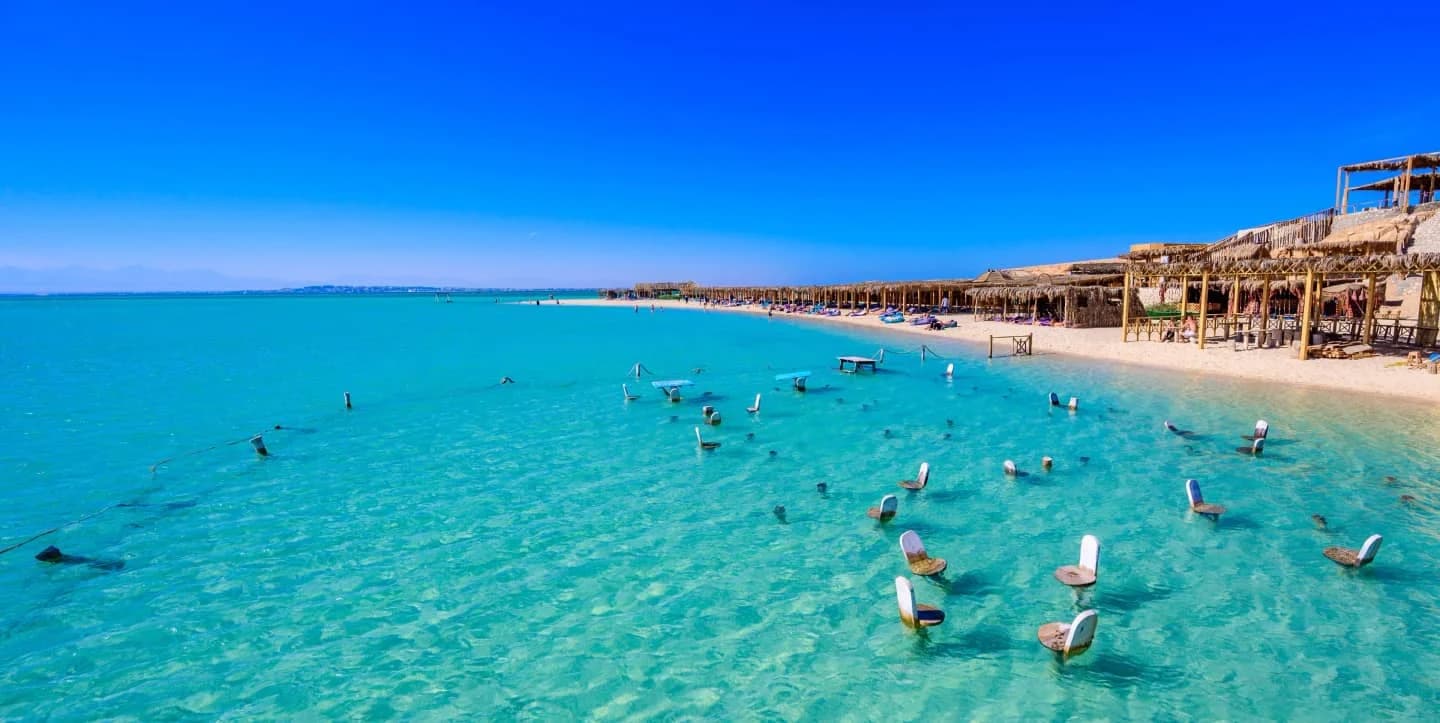
Red Sea “quiet corners” to keep the theme: If you want the hidden-gem feeling without going far inland, choose calmer coastal bases between bigger centers. Makadi Bay and Sahl Hasheesh sit close to Hurghada but feel more self-contained; Soma Bay and Safaga offer a lower-key rhythm and easy access to reefs. For a different vibe, Marsa Alam’s reefs and beaches are more spread out, which naturally keeps things calmer than the busiest stretches.
Best Time / Conditions
For desert and Cairo-side sites like Siwa and Dahshur, aim for October–April when days are milder and the light is gold. On the coast, the Red Sea stays swimmable year-round, with typical water temperatures around 22–29°C, and mornings are best for Dahab’s Blue Hole before winds and day-trippers pick up.
What to Expect
A Red Sea base with “quiet” day trips and overnights: Most travelers stitch these places around a reef holiday—snorkel or dive days in Hurghada, Makadi Bay, Sahl Hasheesh, Soma Bay, Safaga, Marsa Alam, Sharm El Sheikh, or Dahab, then a culture-focused detour when you want a break from boat time. Expect early starts for transfer days and a noticeable change in soundscape the moment you leave the coast: the desert absorbs noise, and even busy roads feel emptier than resort promenades.
Siwa: salt, palms, and slow meals: In Siwa, the pace is the point. You’ll spend time by the salt lakes (bring water shoes—salt can crust sharp at the edges), wander through palm groves, and settle into long, simple meals built around olives, dates, and local dishes. Nights cool down fast outside summer; even if the day is warm, a light jacket makes evenings more comfortable.
Dahshur: pyramids you can actually hear: Dahshur feels spacious—wide sand, clean sightlines, and a sense of geometry set down in silence. You’ll likely visit the Bent Pyramid and the Red Pyramid; allow time to walk around them rather than rushing straight in and out. Sun and wind are the main “conditions” here: bring a hat, sunglasses, and something to cover your neck if you’re sensitive to glare.
Nubian villages: people-first travel: A Nubian visit is usually about conversation, crafts, and home-style hospitality rather than landmarks. You’ll see bold patterns, painted gates, and courtyards that reflect family history and local identity, and you may be invited to sit for tea before anything else happens. Modest clothing and a respectful approach to photos matter more here than any gear or schedule.
Who This Is For
Red Sea travelers who love coral but crave context: photographers seeking clean horizons at Dahshur, wellness-minded couples drawn to saline floatation and slow food in Siwa, families keen on gentle culture in Nubian villages, and return visitors who want Egypt’s depth, not its queues. You’ll trade convenience for stillness—and gain memory that lingers.
Booking & Logistics
How to route it from common Red Sea bases: If you’re in Hurghada, El Gouna, Makadi Bay, Sahl Hasheesh, Soma Bay, or Safaga, the simplest pattern is “coast first, Cairo/Upper Egypt later” (or the reverse), minimizing back-and-forth. Dahshur fits naturally on a Cairo day—especially if you’re already flying in/out through Cairo. From Sharm El Sheikh or Dahab, you can keep it Sinai-focused (Dahab mornings) and add Cairo/Dahshur as a short flight segment when you want history without committing to a long multi-stop loop.
Plan for early departures and buffer time: The calm you’re chasing depends on timing. Dahshur is best earlier in the day before the sun is high; Dahab’s Blue Hole and other snorkel sites are quieter in the morning before wind and crowds build; Nubian village visits feel more relaxed if you’re not squeezing them between tight connections. Build buffer time on transfer days, especially if you’re pairing a long road segment with a same-day activity.
What to pack for the “quiet Egypt” mix: Bring a sun hat, high-SPF sunscreen, and a light scarf for desert wind and glare. For Siwa’s salt lakes, pack water shoes and a dry bag for phone/keys; salt can be hard on fabrics and zippers, so rinse what you can afterward. If you’re splitting time between reefs and inland, a small kit with rehydration salts, insect repellent for evenings near water/palms, and a lightweight layer for cooler nights covers most surprises.
Guides and permissions (keep it simple): Use licensed guides for cultural sites and village visits—this improves access, context, and etiquette, and it helps keep money local. For marine days in places like Marsa Alam, Hurghada, Sharm El Sheikh, and Dahab, choose operators that brief reef-safe behavior clearly and provide well-maintained safety gear. If you’re booking through Routri for Red Sea days, align your inland timing so you’re not returning late the night before an early boat departure.
Sustainable Practices
Keep the hush you came to find. Choose local guides in Siwa and Aswan to keep money in the community; dress modestly in villages; ask before photos. At Dahshur, stick to marked paths to protect fragile desert crust. In Dahab, enter the water carefully—Blue Hole’s drop-off is immediate—and skip reef-touching or feeding fish altogether.
FAQs
These detours fit neatly around a Red Sea stay. With smart routing, you can pair reef days with cultural quiet: a Dahshur pyramid morning between flights, a Dahab sunrise snorkel, or an Aswan side-trip by train or short flight. The key is to plan transfers to avoid backtracking and keep the calm intact.
How long do I need for each hidden gem?
Dahshur works as a half-day from Cairo with generous time at the Red and Bent Pyramids. Dahab deserves a full day to catch calm mornings at the Blue Hole, lunch in town, and a golden-hour stroll. Siwa needs two to four nights; it’s distance that protects its magic.
Is it family-friendly and safe to add from the Red Sea?
Yes, with realistic pacing. Stick to daylight road transfers, use licensed operators, and request child-sized life vests for boat rides near Aswan. Blue Hole’s edge drops steeply beyond recreational depths—keep kids close and snorkel within marked areas. Desert evenings are cool; bring layers and closed shoes.
Will I miss the “big” pyramids if I choose Dahshur?
Not at all. Dahshur holds two of Egypt’s most important pyramids and far fewer visitors, giving you room to absorb scale and engineering. If you later visit Giza, you’ll arrive with context—and if you don’t, Dahshur still delivers that spine-tingling first encounter with ancient geometry.