Slip Past the Icons: Hidden Dive Sites of Egypt’s Red Sea
Quick Summary: A slow, sustainable dive route beyond headline reefs—guided by Bedouin skippers to quiet moorings, pristine coral gardens, shy pelagics, and uncrowded wrecklets. Expect small boats, early starts, and long, calm drifts where the fish act naturally and the only soundtrack is your bubbles.
Dawn hums across the flats as our Bedouin skipper noses a low RIB over rippleless cobalt south of Marsa Alam. No pier, no queue—just a sun-faded mooring ball and the scent of diesel and cardamom. We kit up quietly. A backward roll later, the sea hushes, and Egypt’s Red Sea reveals its unadvertised self: fan gardens, curious goatfish, and nobody else.
What Makes This Experience Unique
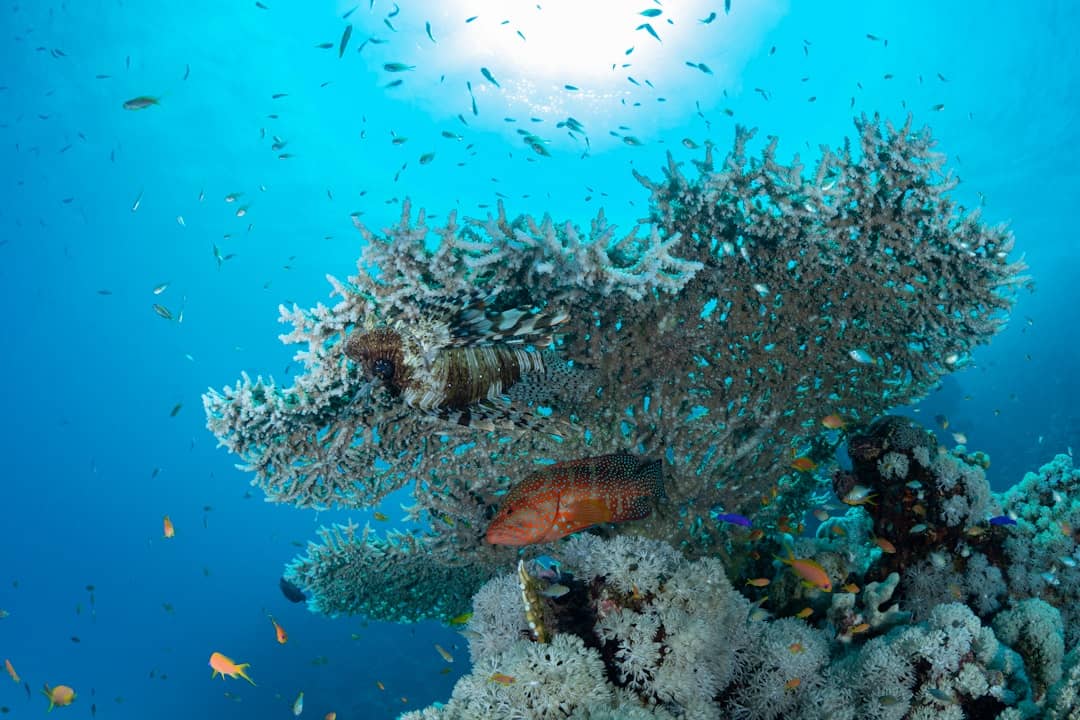
Hidden moorings and quiet coves change the rhythm of a dive day. Without the chop of a dozen zodiacs, fish feed naturally and skittish pelagics pulse in from the blue. Coral heads begin in 6–12 meters, bloom into buttresses, and tip into 30+ meter drop-offs, letting you stack long, unhurried profiles across mellow current lines.
Where to Do It
Think south and small. Remote fringing reefs and patch pinnacles hide along the desert shoulder south of Marsa Alam, plus the sandbar labyrinths near Hamata. Offshore of Hurghada, quiet pinnacles sit beyond day-boat lanes. In Sinai, the lesser-trafficked southern reefs of Dahab whisper on windless mornings. For a taste, the Hamata & Qulaan Islands trip reaches reefs few boats see.
Best Time / Conditions
Shoulder seasons (March–June; September–November) balance calm seas and visibility with milder sun. Expect sea temperatures of roughly 22–29°C across the year, with winter thermoclines on deeper profiles. Gentle northerlies favor leeward coves; some pinnacles need slack tide for the best viz. For reef resilience context, see the Red Sea Coral Reef Report 2025.
What to Expect
Early departures, light kit, and small teams—often four to eight divers—define the day. Boat hops of 60–90 minutes are common to reach relaxed moorings. Profiles start shallow over hard coral mesas, with optional toe-dips to 25–35 meters where trevally and barracuda patrol. Expect long safety stops under clouds of anthias and absolute surface silence.
Who This Is For
Confident divers who relish clean navigation, blue-water ascents, and reading a reef’s mood. Macro obsessives will find jaw-dropping crustaceans in surge-protected cuts; wide-angle photographers get cathedral light on unscuffed coral. Snorkelers are welcome on calmer days over lagoon-threshold reefs. Families who value quiet over crowds will appreciate soft schedules and unhurried surface intervals.
Booking & Logistics
Book small-boat charters with local skippers and cap groups at six to eight. In Hurghada, agile options like a private speed boat can skirt the grid to reach hushed pinnacles. From Marsa Alam, plan 2–3 hours by road to Hamata for remote launches. Bring an SMB, reef-friendly kit, and proof of certification; nitrox is helpful for repeat drifts.
Sustainable Practices
Choose Bedouin-run outfits that pick up moorings (never anchor), brief neutral buoyancy, and limit daily site visits. Keep fins high, hands off; no gloves means fewer touches. Skip flash, steady your camera, and let shy pelagics approach. Pack out every scrap, refill water, and split surface intervals at small, family camps that benefit locally.
FAQs
Hidden-site days are unhurried and safety-led. You’ll likely dive in small teams with flexible timings around wind, tide, and visibility. Expect longer transits, deliberate briefings, and relaxed, multi-level profiles. Guides prioritize non-contact photography and buoyancy checks. The overall vibe is slow travel: fewer sites, more meaning, and richer encounters without the megaphone soundtrack.
How advanced do I need to be?
Comfort in mild current, clean ascents, and gas planning matters more than badges. Advanced Open Water with recent experience is ideal; nitrox extends bottom-time on repetitive drifts. Newer divers can join on calmer coves and lagoon thresholds, building skills under watchful guides before stepping onto blue edges and deeper shoulders.
Can I do this as a snorkeler?
Yes—on days with flat seas and leeward reefs. Shallow coral gardens brim from one to four meters, perfect for snorkelers and photographers. Choose operators who brief fin control and maintain boat watch. Short in-water sessions and long surface breaks keep you warm and fresh for the day’s best light.
What about currents, safety, and permits?
Guides time entries for slack or soft flows and carry SMBs and radios. You’ll drift to pickup or circle a mooring, depending on site. Marine park rules apply where relevant; reputable operators handle permits. Hydrate, wear exposure protection even in summer, and respect briefings—one calm, coordinated team makes the reef even calmer.
Trade bucket lists for discovery: small boats, unhurried profiles, and Bedouin know-how revealing Egypt’s living cathedrals. If this resonates, pair your plan with low‑impact Red Sea travel tips and keep these quiet reefs as they are—whispering, wild, and wonderfully empty.