
Egypt’s Red Sea Eco-Luxury: Why Solar Resorts Are Changing the Coast
Egypt’s Red Sea eco-luxury is no longer a niche idea. It is a practical, high-comfort travel style built around solar power, quieter operations, smarter cooling, efficient water systems, and stricter reef protection.
That combination works especially well on the Red Sea coast. The region has abundant sunshine, year-round beach demand, and a marine environment where reducing fuel use, noise, waste, and careless boating makes a visible difference to the guest experience and to the reefs themselves.
For travelers, the appeal is simple: you still get chilled rooms, polished pools, spa time, house reefs, marina dining, and boat days to places like Giftun Island, Mahmya, Orange Bay, Sataya, Abu Dabbab, and Marsa Mubarak. The difference is that the best properties and operators now pair comfort with lower-impact infrastructure and clearer environmental standards.
What Egypt’s Red Sea Eco-Luxury Actually Means
Eco-luxury on the Red Sea is not rustic living with a sustainability label. At the high end, it means the resort works harder behind the scenes so the stay feels smoother in front of the scenes.
The most credible properties combine rooftop or carport solar, efficient air-conditioning systems, battery support, shaded architecture, light-colored surfaces, water-saving fixtures, refill stations, and waste reduction. On the marine side, they favor mooring buoys over anchoring, support reef briefings before snorkel stops, and work with smaller groups where possible.
This matters because traditional coastal resort operations are energy- and water-intensive. On the Red Sea, cooling demand is high and freshwater often depends on desalination. When a resort reduces thermal load through design and offsets part of its electricity demand with solar generation, it cuts both operating stress and the noise and emissions guests often associate with heavy generator dependence.
Why Solar Makes So Much Sense on the Red Sea
Egypt’s eastern coast is one of the most logical places in the region for solar-led hospitality. Clear skies, strong sun, and large roof and parking-canopy surfaces make on-site generation practical.
For guests, the benefits are immediate. Solar-supported properties often feel quieter, especially in low-rise compounds where energy systems are integrated into the design rather than added as an afterthought. Good shading, cross-ventilation, insulated walls, and efficient chillers also create more stable indoor comfort.
For the destination, the benefits go beyond the room. Cleaner energy reduces pressure on fuel-heavy operations. Efficient water management reduces unnecessary desalination demand. Better marina and boat practices help protect exactly what travelers come for: clear water, coral gardens, and healthy reef fish.

Best Red Sea Bases for Eco-Luxury Stays
Different Red Sea destinations deliver different versions of eco-luxury. Your best base depends on whether you want easy day trips, a design-forward resort town, a quieter dive coast, or a more laid-back beach scene.
Hurghada for easy access and broad choice
Hurghada is the most straightforward starting point for Egypt’s Red Sea eco-luxury. It combines airport access, a large hotel base, marinas, family-friendly resorts, and easy boat connections to Giftun National Park, Orange Bay, Mahmya, and nearby reefs.It is also the easiest place to compare accommodation styles. You can stay along the main resort strip, near the marina, or in newer compounds with more space and better-integrated modern infrastructure. For travelers who want comfort plus easy sea days, it remains the most flexible base.
El Gouna for design-led, master-planned coastal living
North of Hurghada, El Gouna is the Red Sea’s clean-lined, master-planned resort town. Lagoons, marinas, low-rise compounds, cycling-friendly streets, and modern hospitality concepts make it a natural fit for sustainability-forward stays.
This is where eco-luxury often feels most seamless. Smart urban planning, compact neighborhoods, and contemporary architecture suit solar canopies, efficient cooling, and water-conscious landscaping particularly well.
Marsa Alam for quieter bays and stronger reef focus
Marsa Alam is the obvious choice for travelers who want a lower-density coast and easier access to famous southern sites. Abu Dabbab is known for shore-entry snorkeling and seagrass meadows, Marsa Mubarak is widely associated with turtles and calm bay conditions, and further south the broader region opens up to celebrated marine areas and liveaboard routes.This coast attracts divers, snorkelers, and travelers who care more about reef quality than nightlife. Eco-luxury here is often less urban and more landscape-led: low-rise resorts, longer jetties, broad bays, and a stronger sense of distance from busy marina traffic.
Dahab for low-key, community-oriented stays
Dahab is a different proposition from the large resort corridors. It offers a slower pace, strong diving identity, and a more intimate accommodation scene, with many travelers drawn to its laid-back seafront and mountain-meets-sea atmosphere.
For eco-conscious visitors, Dahab appeals because scale matters. Smaller properties, walkable areas, and a strong independent travel culture can make lower-impact choices easier to maintain across the trip.
Where Eco-Luxury Meets the Water
The water is the reason most travelers choose the Red Sea, so this is where eco-luxury has to prove itself. A solar-powered resort means little if the boat drops anchor on coral or runs overcrowded snorkel stops.
The better model is integrated. Stay in a property that takes energy and water efficiency seriously, then book marine operators who use mooring buoys, brief guests properly, cap numbers, and avoid the “rush three sites before lunch” style of mass excursion.
In the Hurghada area, eco-luxury marine days often mean day boats to Giftun Island and its beach enclaves, with snorkel stops at buoyed reefs and time at sandy lagoons. Browse snorkeling trips if you want to compare lower-impact day options around Hurghada.
Further south, bays such as Abu Dabbab and Marsa Mubarak are better for travelers who want easier water access and less time in transit. For serious divers, the southern Red Sea also opens routes toward sites with stronger currents, walls, and drop-offs, where operator standards matter even more.

Best Time for Egypt’s Red Sea Eco-Luxury
The Red Sea works well across most of the year, but the experience changes by season.
From October to April, air temperatures are more comfortable for active days. This is the sweet spot for travelers who want boat trips, marina dinners, desert excursions, and long afternoons outdoors without the intensity of peak summer heat.
Late spring through early autumn brings hotter weather and, naturally, strong solar performance. If your priority is beach time, warm water, and maximum pool-and-sea days, summer delivers that. The trade-off is hotter afternoons, which makes well-designed shaded spaces and efficient cooling systems even more important.
Water conditions remain a major draw through much of the year. Calm bays, house reefs, and sheltered snorkel areas are especially attractive to families and first-time snorkelers, while exposed dive sites depend more on wind and current on the day.
What to Look For in a Genuine Eco-Luxury Resort
Marketing language is easy. Meaningful eco-luxury is specific.
Look for resorts that explain how they reduce energy demand, not just that they “care about sustainability.” Strong signals include solar panels on roofs or parking structures, shaded walkways, insulated buildings, room systems that reduce waste when guests are out, refillable glass water bottles, and clear towel and linen reuse options.
Marine partnerships matter just as much. Resorts that work with operators using mooring buoys, reef briefings, and smaller groups deserve more trust than those that only advertise a beautiful beach.
Also pay attention to physical design. Deep-set balconies, pergolas, courtyards, native or climate-appropriate planting, and low-rise layouts are not aesthetic extras; they are part of the energy strategy.
Comparison: Choosing the Right Red Sea Eco-Luxury Base
| Destination | Best for | Atmosphere | Marine access | Eco-luxury style |
|---|---|---|---|---|
| Hurghada | First-time visitors, families, easy logistics | Lively, broad choice, resort-oriented | Fast access to Giftun Island, Orange Bay, Mahmya, marinas, day boats | Mainstream luxury with growing sustainability upgrades |
| El Gouna | Design lovers, couples, polished short stays | Planned, stylish, marina-led | Strong yachting and boat access, refined resort setting | Most seamless blend of design and modern systems |
| Marsa Alam | Reef-focused travelers, divers, quieter holidays | Relaxed, spacious, less urban | Excellent access to Abu Dabbab, Marsa Mubarak, southern coast | Nature-led, lower-density eco-luxury |
| Dahab | Independent travelers, divers, slow travel | Casual, intimate, community-driven | Strong dive culture and shore-based appeal | Small-scale, low-key sustainability |
How to Keep Your Red Sea Trip Low-Impact Without Sacrificing Comfort
Start with your room. Set the air-conditioning reasonably rather than forcing the room ice-cold, keep balcony doors closed when cooling is on, and reuse towels and linens when offered. On a coast where both power and freshwater matter, those small choices count.
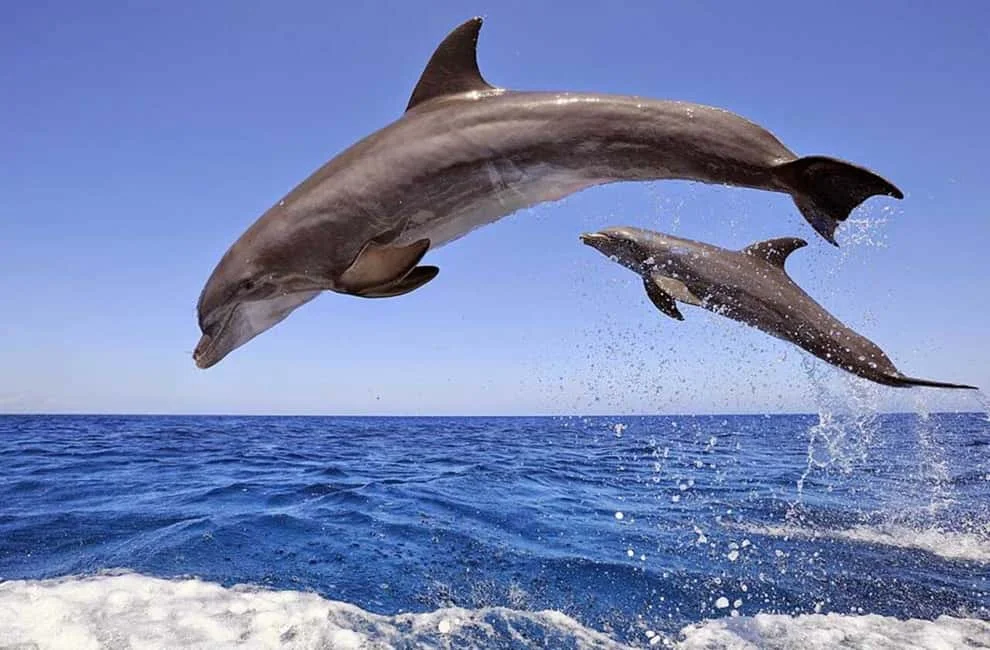
Then focus on reef behavior. Keep fins horizontal, never stand on coral, and do not chase turtles, dolphins, or rays for photos. Use long-sleeve swimwear and rash guards to reduce sunscreen use, and choose reef-safe formulas when you do apply it.
Boat choice matters too. Smaller groups create a better experience in the water and reduce crowding on reefs and beaches. The best crews brief clearly, watch guest behavior closely, and stop at buoyed sites instead of dropping anchor.
Who Egypt’s Red Sea Eco-Luxury Is Best For
This style of trip fits travelers who want a high-comfort beach holiday without ignoring the environmental cost of coastal tourism. That includes couples who want a polished resort stay, families who care about clean beaches and calm snorkeling, and divers who know that reef quality depends on how operators behave.
It also suits travelers who are less interested in excess and more interested in quality. Quiet rooms, thoughtful design, efficient cooling, refill stations, lower-noise transport inside resorts, and better-run boat days often feel more luxurious than visible extravagance.
For itinerary planning, eco-luxury also works well as a split stay. A few nights in Hurghada for easy access and marina energy can pair well with a quieter second stay in Marsa Alam for reef-led days and a slower coastal rhythm.
Booking Tips for a Better Eco-Luxury Stay
Book the destination first, then evaluate the property’s substance. Hurghada gives you the broadest choice and easiest transfers. Marsa Alam gives you a calmer coast and stronger proximity to quieter bays. El Gouna suits travelers who value design and planning. Dahab suits travelers who want scale and soul.
When comparing hotels, prioritize specifics over slogans. A resort that mentions solar capacity, refill systems, low-rise shaded design, and reef-conscious marine partners is far more convincing than one relying on generic “green” claims.
Finally, match your stay with the right sea day. If you want soft adventure and easy logistics, browse Hurghada snorkeling trips. That is the simplest way to turn a comfortable Red Sea stay into a marine day that aligns with the eco-luxury idea rather than undermining it.
Why This Travel Style Has Staying Power
Egypt’s Red Sea eco-luxury is growing because it improves the guest experience as much as it improves the operational model. Solar-assisted resorts are quieter. Shaded architecture is more comfortable. Smarter water systems are more resilient. Better reef practices protect the very product the destination sells.
That makes this more than a trend. It is a smarter version of Red Sea travel, and one that fits the coast unusually well. On a shoreline built around sun, sea, coral, and open space, luxury feels strongest when it works with the environment rather than against it.


