
Finding Your Red Sea Dive Mentor: The Instructors Who Turn Good Dives Great
Quick Summary: The right Red Sea instructor blends calm leadership with local reef wisdom, tailoring briefings, skills, and routes to your goals—so safety becomes confidence and coral becomes story.
The Red Sea is generous—30-meter viz on good days, neon reefs, pelagic-laced drop-offs. But the dives you remember most often trace back to a mentor: the instructor who reads the wind at breakfast, tweaks your trim at the mooring, and then leads you to the right ledge at the right tide. If you’re scouting sites, start with this overview of the best Red Sea diving spots.
What Makes This Experience Unique
Excellent Red Sea instructors turn risk management into quiet confidence. They decode local micro-currents, know where shy anthias gather after swell, and time the zodiac drop so you fin less and see more. Great mentors also coach camera craft and breathing pace, shaping the dive around you—newly certified, returnee, or wreck-curious explorer.

Where to Do It
For walls and effortless drifts, base in Sharm El Sheikh; Ras Mohammed remains a masterclass in current reading and reef protection. Prefer shore-based coaching? Dahab pairs calm entries at Lighthouse and Eel Garden with iconic challenges nearby. South in Marsa Alam, seagrass meadows and offshore pinnacles add macro-to-pelagic range under steady, patient guidance.
Best Time / Conditions
Spring and autumn balance warm seas and milder winds—expect roughly 23–27°C water and 20–30 m visibility. Summer climbs toward 28–30°C but can bring stronger surface heat; winter dips to ~22–24°C with occasional thermoclines. Early mornings are typically calmer, with brighter viz and gentler traffic at popular reefs and moorings.
What to Expect
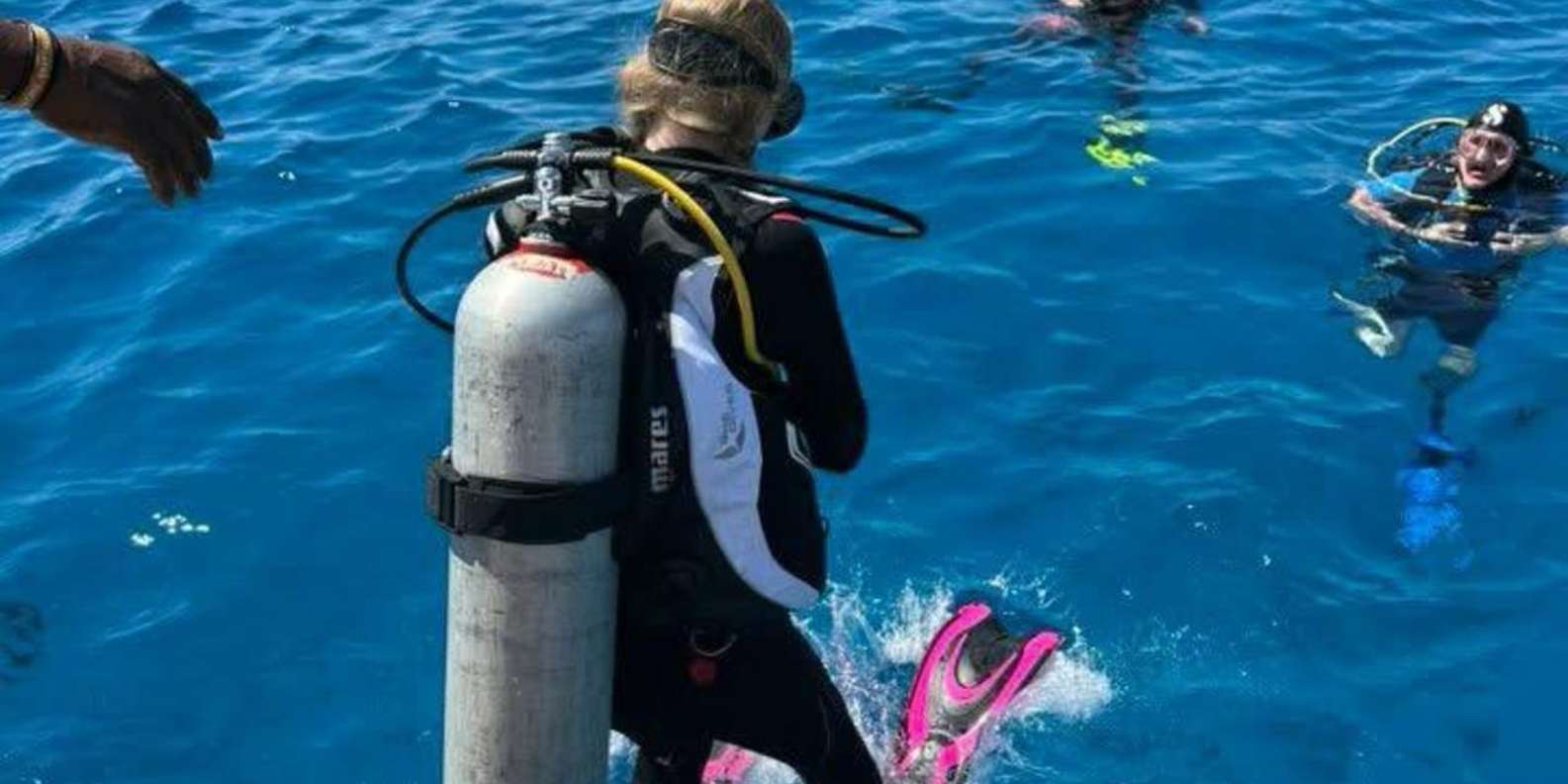
Your mentor will start with a crisp briefing—route, signals, gas plan, and exit. Expect buoyancy checks on sand, then a paced circuit shaped by your objectives: 6–12 m for refreshers and camera practice, 18–30 m for wrecks and walls (within training). Entries vary from giant strides to zodiac pick-ups; SMB and buddy discipline are standard.
Who This Is For
Beginners benefit from instructors who communicate clearly, keep ratios tight, and celebrate small wins. Intermediates refine trim and buoyancy for photography or current work. Advanced divers choose mentors for nuanced skills—negative entries, wreck penetration training, or drift navigation. Families and teens thrive with patient coaches and shallow, fish-rich routes before building depth.

Booking & Logistics
Choose people, not logos: ask about 4:1 (or better) ratios, languages, recent first-aid/O2 training, and boat safety (oxygen kit, radio, AED). From Sharm, plan 60–90 minutes boat time to Ras Mohammed; hotel pickups are standard. For easy planning, consider guided Ras Mohammed boats with optional dives: Ras Mohamed diving & snorkel day or the two-dive White Island & Ras Mohamed trip.
Sustainable Practices
Seek instructors who lead no-touch dives, moor to fixed buoys, and run buoyancy checks before coral. Reef-safe sunscreen, careful finning, and mid-water spacing protect fragile soft corals. Many operators now support reef mapping and new moorings; if you want to help, ask about citizen science or ongoing reef projects and site updates.
FAQs
The best instructors are calm, detail-obsessed storytellers: they brief hazards without drama, turn skills into muscle memory, and position you for what you came to see. Below are the questions divers ask us most when choosing a mentor in Hurghada, Sharm El Sheikh, Dahab, El Gouna, and Marsa Alam.
How do I choose the right dive instructor?
Ask about experience on the exact sites you’ll dive, student-to-instructor ratios, first-aid/O2 currency, and their approach to coaching buoyancy and trim. A quick lagoon session or shore check-out reveals a lot: look for clear feedback, unhurried pacing, and sharp situational awareness from deck to descent.
Are Red Sea conditions suitable for beginners?
Yes. Many sites offer protected entries and shallow sand patches, ideal for skills at 5–12 m with bright, fishy coral gardens nearby. Mornings bring calmer seas and fewer boats; mentors often schedule first dives early, then graduate to gently sloping reefs or light drifts once breathing and buoyancy feel relaxed.
What certifications or refreshers should I consider?
If you haven’t dived in 6–12 months, book a refresher to rebuild comfort and buoyancy before boat days. Photographers benefit from buoyancy workshops; current-prone routes reward drift specialty skills. Wreck fans should add deep training before 30 m profiles. Ask your instructor to tailor skills to the week’s sites and conditions.
The right Red Sea mentor doesn’t just guide; they interpret. With thoughtful pacing, smart timing, and reef respect, your logbook fills with calm descents and vivid stories—exactly what this sea deserves.


