
Red Sea Diving by Season: Choose the Mood, Write the Story
Quick Summary: The Red Sea is year‑round, but each season tells a different story: winter’s clear, blue‑water pelagics; spring’s color‑rich reefs; summer’s bath‑warm ease; autumn’s calm, balanced conditions. Pick the season that matches your dive mood.
In the Red Sea, “best time” is personal. If you crave cobalt clarity and big-fish adrenaline, winter sets the stage. Spring turns up the color and action on the reef. Summer invites long, easy, bath‑warm dives that stretch the day. Autumn steadies the currents and thins the crowds. From Hurghada day boats to remote offshore walls, your season is the story you’ll remember.
What Makes This Experience Unique
Few places deliver four distinct dive moods so consistently. Winter’s cool water can push pelagics closer, with visibility often 30–40 meters on calm days. Spring’s currents awaken soft corals and schooling fish. Summer’s warmth (up to 28–30°C in the north) extends bottom time. Autumn balances seas, light, and wildlife, rewarding photographers and new divers alike with reliable conditions.
Where to Do It
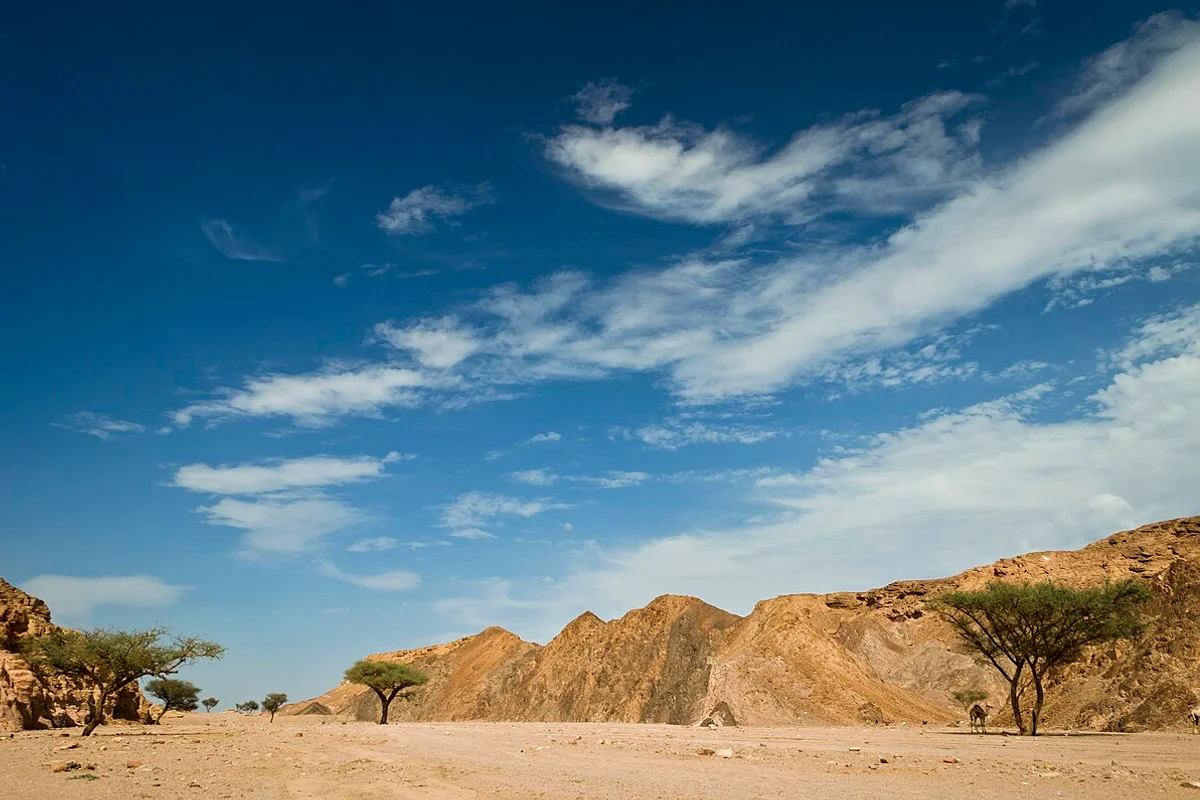
North Sinai’s Ras Mohammed National Park is the stage for dramatic walls, schooling jacks, and ripping corners—book a dedicated boat day to hit its headliners early (Ras Mohammed & White Island tour). South, Marsa Alam tempts with turtles, dugongs, and offshore pinnacles. Technical and advanced divers gravitate to Dahab—link your surface interval to the town’s laid‑back rhythm via Dahab and its famed Blue Hole.
Best Time / Conditions
Winter (Dec–Feb): coolest water (around 22–24°C north), fewer crowds, big‑blue visibility, potential for oceanic action offshore. Spring (Mar–May): lively currents, soft coral pop, changeable winds. Summer (Jun–Aug): warmest seas, calmer surface, easy training. Autumn (Sep–Nov): Goldilocks season—stable seas, 26–28°C water, and frequent pelagic sightings on deep plateaus like Elphinstone.

What to Expect
Reef tops at 5–12 meters burst with anthias and butterflyfish; walls tumble to blue. Expect drift dives around capes, sponge‑draped pinnacles, and wrecks on northern circuits. Advanced sites like the Blue Hole plunge 100m+—stay within training and guide advice. Offshore plateaus (20–40m) can draw oceanic whitetips and hammerheads in shoulder seasons.
Who This Is For
Beginners will love summer’s warm, forgiving seas and easy access to shallow reefs and protected bays. Families can mix snorkelling with a first bubble session; anxious swimmers benefit from calm mornings. Photographers may favor autumn’s steady water and low‑angle light. Adrenaline seekers get their rush in winter and spring when currents and pelagics can turn a corner electric.

Booking & Logistics
Choose day boats for flexibility and lazy surface intervals; pick liveaboards to reach offshore legends and beat the crowds at dawn—start with this curated 2025 route guide (best Red Sea liveaboards). First‑timers can test the waters on a supervised intro dive in the north (intro scuba in Hurghada). Bring a 3–5mm suit in summer, 5–7mm in winter; add a hooded vest if you chill easily.
Sustainable Practices
Choose operators with briefings that stress buoyancy and no‑touch coral etiquette. Use reef‑safe sunscreen, stow dangling gauges, and practice neutral hovering over seagrass to avoid scarring beds where turtles and dugongs feed. Support mooring‑only boats, skip single‑use plastics on board, and log your sightings to aid local monitoring programs.
FAQs
Picking a season starts with your mood, not a forecast. Winter can deliver the clearest blue and pelagics offshore, spring the most kinetic reefs, summer the longest, warmest dives, and autumn a balanced “best of everything.” Book early for popular weeks, especially around school holidays and long weekends.
Is the Red Sea diveable year‑round?
Yes. Conditions shift with season, but boats run all year. Winter is cooler yet often clearer; spring sees more current; summer brings warmth and calmer surfaces; autumn steadies everything. Match exposure protection to water temperatures (roughly 22–24°C winter north; 26–30°C summer), and pick sites suited to your experience.
Which season has the best visibility?
Winter often wins for sheer clarity, with frequent 30–40m visibility in sheltered spots—especially early in the day before winds rise. Summer can be glassy topside but may show more plankton haze in places. Autumn is a close second to winter, combining stable seas with reliably clear water for wide‑angle photography.
Do I need a drysuit in winter?
Most divers are comfortable in a 5–7mm full suit with a hooded vest in northern sites; add gloves if you chill. A drysuit is optional for repetitive or deeper diving, especially on liveaboards with long days. In the south, slightly warmer winter water often makes 5mm plus layers sufficient for most.
Whatever the calendar says, the Red Sea’s seasons are creative tools. Choose winter for blue‑water drama, spring for technicolor reefs, summer for ease and family time, or autumn for that calm, cinematic balance. Pick your mood, plan your kit, and let the sea write the rest.


