10 Hidden Red Sea destinations Beaches to Find in 2026: Quiet Reefs, Slow Sunsets, Local Care
Quick Summary: Swap crowds for solitude with ten lesser-known Red Sea destinations beaches—offshore sandbars, Bedouin-run coves, mangrove lagoons, and far-south islands—best explored with small boats, patient timing, and low-impact habits.
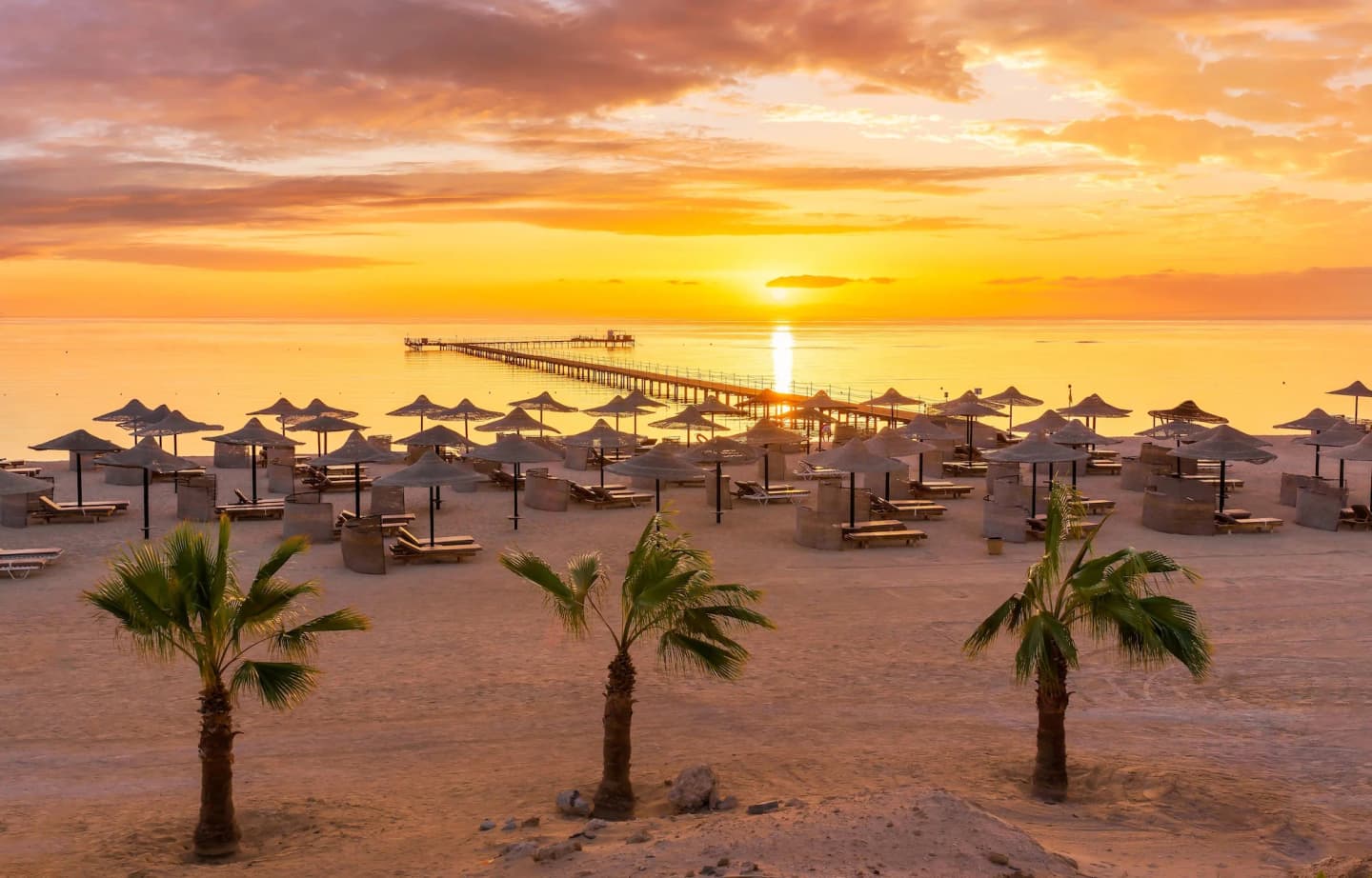
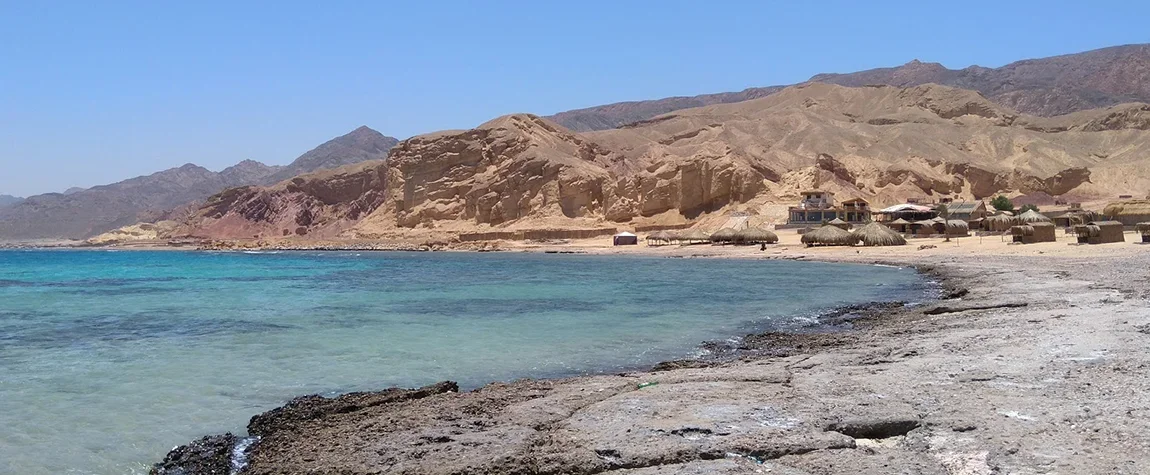
2026 is the year to trade resort buzz for quiet horizons. Slip past the jetty in hurghada">Hurghada and the wind drops as reef flats turn glassy. Up the Gulf of Aqaba, sharm-el-sheikh">Dahab still shelters coves where a Bedouin kettle and a pink sky are the loudest things you’ll encounter. This is a Red Sea destinations escape built on discovery—and stewardship.
What Makes This Experience Unique
These aren’t beach clubs; they’re living edges where desert meets sea. Expect single-mooring sandbars, wave-protected pockets, and community-run tea huts that ask you to slow down. The real luxury is time: sunrise swims, long shadows on untouched sand, and the quiet discipline of low-impact reef travel that keeps coral and culture thriving.
Where to Do It
Seek these ten: Tawila Island sandbar and Shadwan south cove (off El Gouna); Abu Ramada East and Magawish flats near the Giftun Islands; Abu Soma sandbar and Tobia (Utopia) Island back reef off Safaga; Ras Abu Galum bay and the Blue Lagoon by Dahab; Wadi El Gemal barrier-island shore and Qulaan Mangrove Beach far south—quiet pockets edging Ras Mohammed National Park and beyond.
Best Time / Conditions
What to Expect
Who This Is For
Booking & Logistics
Base near marinas with small-boat access: El Gouna for Tawila/Shadwan; Hurghada for Magawish, Abu Ramada, and Giftun; Safaga for Abu Soma and Tobia; Dahab for Ras Abu Galum and the Blue Lagoon; Marsa Alam/Hamata for Wadi El Gemal and Qulaan. Boat hops run 30–90 minutes depending on weather. Scout operators via our Travel Inspiration hub; carry cash and plenty of water.
Sustainable Practices
Anchor on moorings only; if none exist, don’t stop. Use mineral sunscreens (zinc/titanium), wear rash guards, and keep fins off the coral crest. Take all waste out; skip shells and starfish souvenirs. Limit groups to 8–10, spread towels below the high-tide line, and buy tea or lunch from Bedouin caretakers who steward these shores.
FAQs
Hidden doesn’t mean forbidden—just fragile. Access varies: some beaches are walk-in or camel-in (Ras Abu Galum), others need a small boat and settled forecast. Plan early departures, then linger through sunset. Facilities are minimal by design; think shade, water, reef-safe sunscreen, and a drybag more than beach club comforts.
Do I need a boat for all ten beaches?
No. Ras Abu Galum is reached on foot, by camel, or by small boat from Dahab; the Blue Lagoon is a 4x4 or boat hop. Qulaan and Wadi El Gemal are overland with ranger access. Offshore sandbars like Tawila, Abu Soma, and Abu Ramada usually require a zodiac or day boat with moorings.
Are permits or fees required?
Protected areas may have ranger fees, particularly around Wadi El Gemal and southern mangroves; carry cash and ID. Boat operators typically handle marine park permissions where needed. Always follow local advice on closures, wind warnings, and wildlife buffers—rules change with conditions to protect nesting birds and sensitive reef zones.
What about wildlife—and safety for snorkeling toursers?
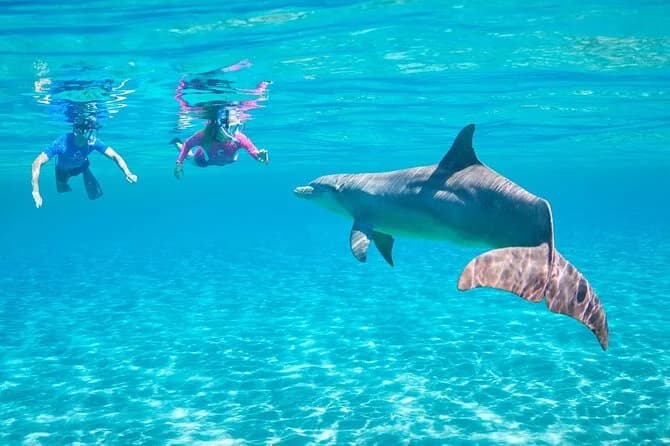
Expect juvenile fish in mangrove nurseries, rays on sandy tongues, and occasional turtles on seagrass patches. Stay inside lagoon rims where depths sit 1–5 meters and currents are gentlest. Avoid channel edges on wind-against-tide days, use a surface marker with boats nearby, and never stand on coral—ever.
Follow the quiet: a dawn launch, a single mooring, a kettle hissing at the water’s edge. If you start from Hurghada or end near Dahab, weave in the Giftun Islands and the reefs of Ras Mohammed National Park—and keep practicing low-impact reef travel you’ll be proud of long after 2026. For ideas and trusted contacts, browse our Travel Inspiration.