Red Sea Fishing Villages: Dawn Markets, Dhows, and the Soul of the Coast
Quick Summary: Swap resort routines for pre-dawn harbors, fish auctions, and family kitchens. Wooden boats, reef-wise techniques, and Bedouin hospitality turn sailing, snorkeling, and diving into a two-way exchange—supporting coral health, local livelihoods, and your most memorable Red Sea days.
Before the reef colors burst awake, Red Sea harbors hum: ice chests clatter, diesel murmurs, and fishermen inspect longlines and hand-tied nets. Step in here—with respect—and your day changes. Auctions segue to skillet-fresh breakfasts, a dhow glides past seagrass nurseries, and a grandmother shows how charcoal, cumin, and patience render the morning’s catch into stories. This is the shoreline’s living classroom, where hospitality and reef sense steer every offshore adventure toward meaning—what you eat, how you sail, and what you leave behind.
What Makes This Experience Unique
Fishing villages offer unvarnished access to the Red Sea’s human heartbeat. You’re not just spectating; you’re participating—learning why nearshore shelves of 5–15 meters demand lighter anchors, tasting which species are in season, and seeing how wooden hulls and low-horsepower engines keep fuel use, noise, and wake gentler on corals and seagrass.
Where to Do It
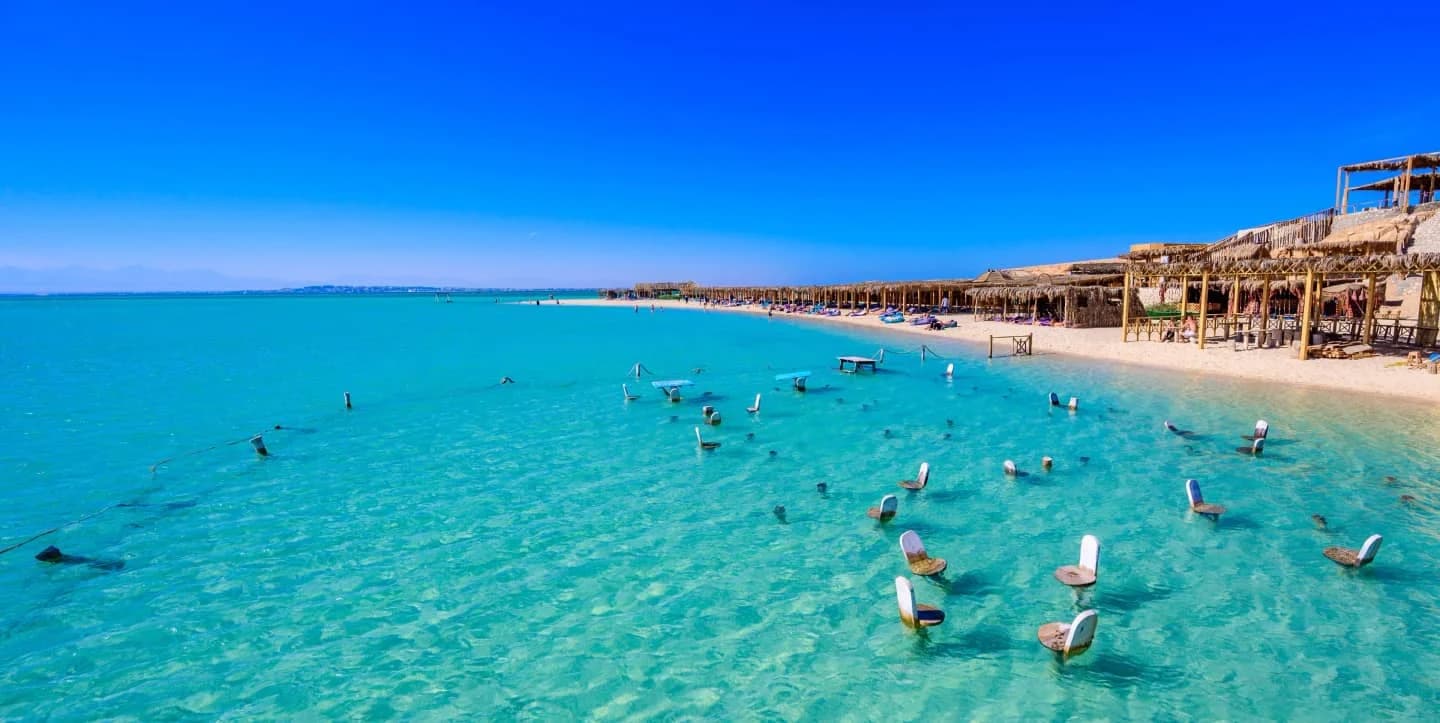
Base in Hurghada for easy harbors, lively markets, and reef trips paired with local kitchens; start with the comprehensive Hurghada Travel Guide. For a smaller, slower pace wrapped in Sinai hospitality, head to Dahab, where shore-diving culture rubs shoulders with fishing families. South toward Marsa Alam, communities thin—and the sense of sea-to-table quiet deepens.
Best Time / Conditions
Year-round is viable, with calmer seas most common in spring and autumn. Underwater visibility frequently holds 15–30 meters, and sea temperatures hover roughly 22–29°C across seasons. Early starts are everything: pre-dawn harbors mean fresher choices, gentler winds, and first-boat access to unbothered reef shelves and sandy moorings.
What to Expect
Begin at the market: ask about line-caught options and bycatch. Then join a low-impact boat to skim seagrass meadows where juvenile fish feed. Between swims, expect turmeric-stained cutting boards, grilled sardines, and cumin-scented rice. Back ashore, stroll the polished promenade of Hurghada Marina to see how working boats and leisure craft share the same horizon.
Who This Is For
Travelers who value human-scale experiences, families curious about food systems, divers and snorkelers who want to understand reef ethics, and photographers chasing the honest light of workdays. If you prefer private boats, small groups, and learning from elders as much as guides, you’ll find that the sea’s best stories start on land.
Booking & Logistics
Blend a market stroll with a city overview on a Hurghada city highlights tour, then add a boat day through a reputable, conservation-aware operator. In Sinai, a Sharm El Sheikh city and shopping tour pairs souks with coastal viewpoints. Expect 30–40 minutes by road between Hurghada and El Gouna (about 25 km), and cash-friendly mornings at markets.
Sustainable Practices
Choose line-caught, seasonal fish; avoid juveniles and apex predators. Ask captains to use fixed moorings over anchors near coral. Snorkel with reef-safe sunscreen and neutral buoyancy; fins up over seagrass. Support women-run kitchens and co-ops. Your strongest climate action: short boat rides, shared trips, and a plate that reflects the sea’s actual season.
FAQs
First-time visitors often wonder how to balance authenticity with reef care and comfort. The answer is simple: start early, ask questions, and choose operators who explain why. You’ll learn to read wind, swell, and color, and to buy what the sea freely offers that week—nothing more, nothing less.
How do I visit a market respectfully?
Arrive early, dress modestly, and ask before photographing people. Buy what you can eat today, pay fair prices, and avoid haggling over small margins. Learn local names for species; ask about line-caught options. Bring a cloth bag, skip polystyrene, and let stallholders guide you on seasonal, sustainable choices.
Can families with kids enjoy this?
Yes. Start with harbors, then short boat hops to calm, shallow sites where children can snorkel above sand or seagrass. Pack reef-safe sunscreen, rash guards, and snacks. Many kitchens happily cook mild, grilled portions. Keep naps in mind: a market breakfast plus a late-morning swim is an easy, winning rhythm.
What about diving and photography etiquette?
Maintain perfect trim and buoyancy over coral; keep fins high and avoid resting cameras on living structures. Never bait fish for shots. If a site is busy, ask to shift to a sandy patch or alternate mooring. On land, always get consent for portraits—hospitality is earned, not assumed.
In the Red Sea’s fishing villages, the finest souvenirs are edible and ephemeral: cumin on your fingertips, salt on your lips, and a story you helped sustain. For deeper cultural context, read about Bedouin culture along the Red Sea, then let the next dawn’s harbor write your itinerary.