
Quiet Waters, Wild Hearts: Ethical Dolphin and Dugong Encounters in Marsa Alam
Quick Summary: Slow down at Sha'ab Samadai and Abu Dabbab: drift, observe, and let wildlife set the rhythm. Regulated, small‑group snorkels turn fleeting sightings of spinner dolphins and dugongs into traveler-powered conservation, with rangers, zoning, and patience delivering unforgettable, low-impact encounters.
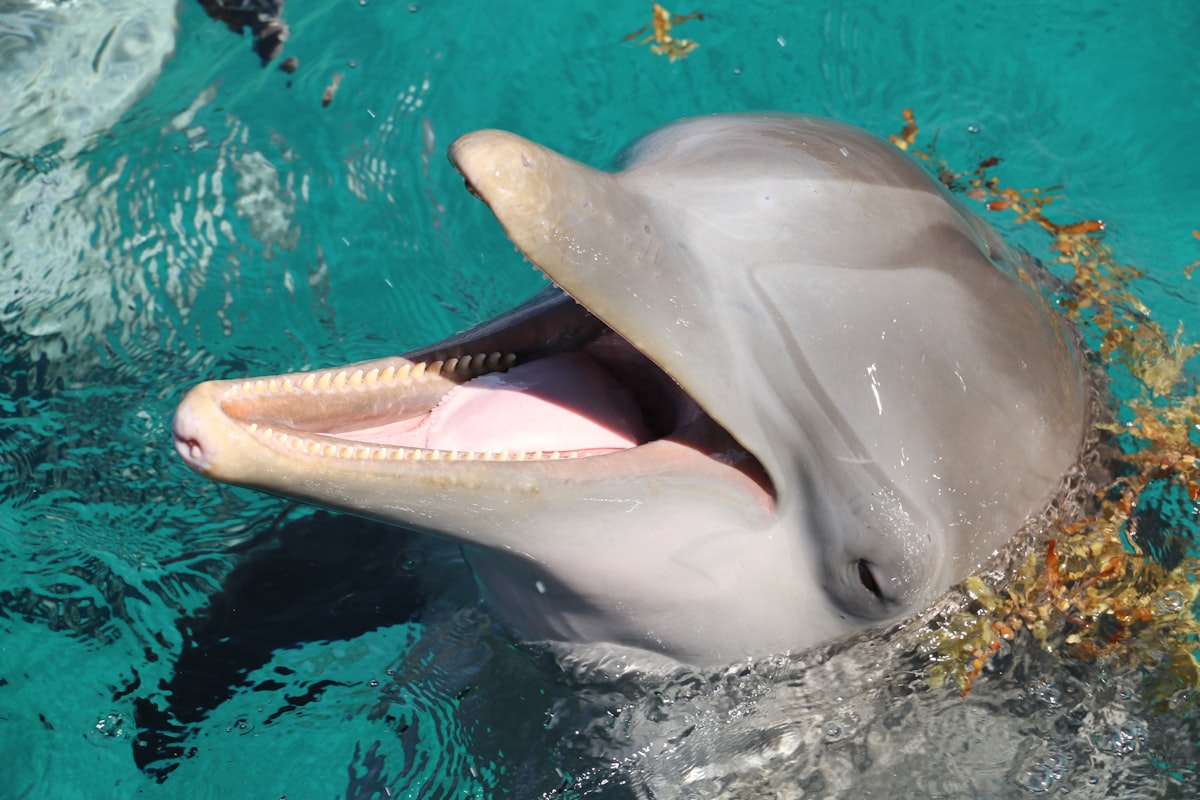
Dawn off Marsa Alam hums at a lower frequency. Engines idle, voices soften, and the sea levels to glass as rangers brief small groups. Beyond the boats, spinner dolphins rest in loose halos. Later, on seagrass, a whiskered muzzle rises for air—one slow breath from the Red Sea’s most elusive grazer.
What Makes This Experience Unique
Here, restraint is the superpower. You’ll follow a slower choreography—no chasing, no dives into the pod, just measured drift and observation. The reward is intimacy: spinner dolphins at rest and the chance of a dugong sighting. Brush up with our Dugongs in the Red Sea guide to understand their habits and why quiet matters.

Where to Do It
Two names anchor ethical encounters. Sha'ab Samadai—“Dolphin House”—is a horseshoe reef with ranger-led zoning; book a regulated Samadai Dolphin House snorkel trip. Abu Dabbab is a sandy bay with broad seagrass meadows; guided shore entries suit all levels—try an Abu Dabbab turtle and dugong snorkeling day.
Best Time / Conditions
Calm mornings offer the gentlest water and most relaxed wildlife behavior. Winter seas average 22–24°C; summer can reach 27–29°C, so plan suits accordingly. Light winds and good visibility make snorkels easiest. Avoid rough days: stirred sand reduces visibility over seagrass, and wildlife may shift to deeper, quieter areas.
What to Expect
At Samadai, expect structured time in outer zones while the dolphins rest inside the lagoon. You’ll watch their arcs from a respectful buffer, often in mesmerizing silence. At Abu Dabbab, drift over 2–6 m meadows scanning for “milk trails” of clipped seagrass, green turtles, and—if you’re lucky—the bay’s celebrated, but still rare, dugong.
Who This Is For
Travelers who value presence over proximity: mindful snorkelers, families seeking calm introductions to marine life, and photographers comfortable with ambient light and longer waits. It’s less for thrill-chasers. If you’re happy to float, listen, and let encounters unfold rather than be engineered, you’ll leave with a deeper story.
Booking & Logistics
Regulated sites operate with ranger briefings and capped daily access, so pre‑book. Most departures run from Marsa Alam and nearby Port Ghalib. Abu Dabbab works well as a shore day; Samadai is a boat trip. From Hurghada, it’s roughly 280 km—about 3.5–4 hours—down the coast, so consider an overnight base.
Sustainable Practices
Float, don’t pursue; maintain a steady horizontal body line and keep fins below the surface to minimize splash. No touching or flash. Use mineral, reef‑safer sunscreen—or better, wear a rash guard. Follow your guide’s spacing cues and the ranger’s zoning lines. Your choices fund on‑site protection and keep these encounters possible.
FAQs
Ethical encounters in the Red Sea are designed to be low‑impact and high‑reward. The more you align with the site’s rhythm—briefings, zoning, unhurried entries—the better your chances. Below, we address the regulations you’ll experience, realistic sighting expectations (especially for dugongs), and tips for families and new snorkelers.
How are encounters regulated at Sha'ab Samadai and Abu Dabbab?
Both sites rely on ranger briefings, mooring protocols, and in‑water zoning. Boats tie off outside sensitive areas; guests enter in small, timed groups. Guides keep spacing to reduce pressure on resting dolphins and grazing wildlife. Expect clear no‑go markers, short rotations, and a “look, don’t linger” ethic on outstanding sightings.
What are the chances of seeing dugongs?
Dugongs are genuinely rare; treat any sighting as a bonus. Calm mornings and patient drifts over active seagrass offer the best odds—watch for clipped “milk trails” and upticks in turtle activity. Some weeks pass without a visit; turtles and rays are common consolation, and the bay’s serenity is a reward in itself.
Can children or non-swimmers join?
Yes—many operators provide flotation aids and run short, sheltered sessions with a high guide‑to‑guest presence. Abu Dabbab’s shore entries are forgiving for beginners. Choose smaller groups, listen to briefings, and consider a private guide if confidence is low. Even from the boat, calm surface watching can be magical.
In the end, the Red Sea’s richest moments are quiet ones—the soft exhale of a dolphin, a dugong vanishing into green light. Build your base here, then widen the map with our Hurghada Travel Guide or seek solitude at hidden Red Sea dive sites. Let patience, not proximity, define the memory.


