Swim with Dolphins in the Red Sea: the ethical way from Hurghada to Marsa Alam
Swimming with dolphins in the Red Sea is at its best when the encounter stays wild, calm, and entirely dolphin-led. This is not a staged show or a guaranteed close-up. It is a boat-based snorkeling day where you enter clear water over reef shelves and sandy lagoons, keep respectful distance, and let spinner dolphins decide whether to pass by.
That difference matters. The most rewarding trips from Hurghada and Marsa Alam focus on reading dolphin behavior, limiting entries, and protecting resting areas rather than chasing a moment for photos. If the pod is relaxed and curious, the encounter feels extraordinary. If not, a good crew shifts the day toward coral gardens, reef fish, and a strong snorkeling experience without pressure.
Why the Red Sea is one of the best places for dolphin encounters
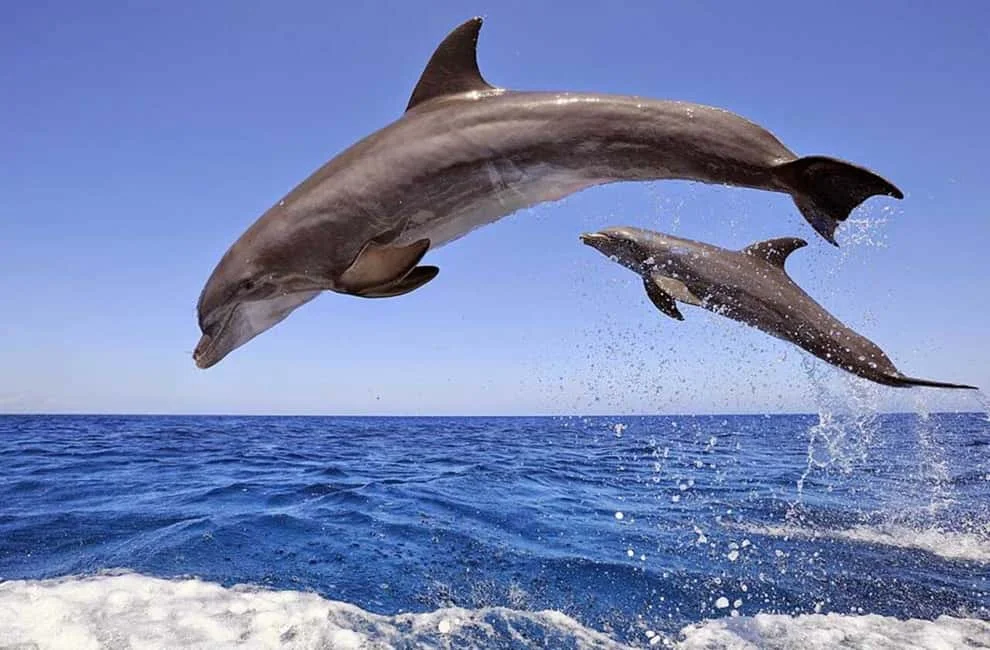
The Red Sea combines warm water, excellent visibility, and reef systems that create sheltered lagoons where spinner dolphins are regularly seen. Around Egypt’s Red Sea coast, certain offshore reefs have become known as “Dolphin House” sites because pods often rest, socialize, or travel there.
The appeal is not only the dolphins. On the same day, you can drift over hard-coral gardens, spot butterflyfish and parrotfish, and snorkel in luminous blue water that often stays clear enough to watch the reef slope away beneath you. That mix makes the experience worthwhile even when the dolphins keep their distance.
The strongest areas for this type of trip are north of Hurghada at Sha’ab El Erg and farther south near Marsa Alam at Sataya Reef and Samadai Reef. Each has a different feel, travel time, and level of regulation.
The best places to swim with dolphins in the Red Sea
Sha’ab El Erg (Dolphin House), Hurghada
Sha’ab El Erg, often called Dolphin House, is the classic day-trip option from Hurghada. This horseshoe-shaped reef lies offshore to the north of the city and is known for shallow coral sections, sandy patches, and regular dolphin sightings.
It suits travelers staying in Hurghada, El Gouna, Makadi Bay, Sahl Hasheesh, and nearby resorts who want a full-day boat trip without the longer overland transfer required in the deep south. Boat rides from Hurghada marinas often take roughly 45 to 75 minutes depending on sea conditions, marina location, and the exact stopping point.
The in-water experience here usually involves short, controlled entries over a reef shelf of around 2 to 6 meters, followed by reef snorkeling in nearby sections if dolphins are not actively present. If you want a focused option, browse dolphin encounters or wider snorkeling trips in Hurghada.
Sataya Reef (Sataya Dolphin House), Marsa Alam region
Sataya Reef is one of the most famous dolphin sites in the Egyptian Red Sea. It sits in the far south near Hamata, and trips usually involve an early road transfer from Marsa Alam resorts before boarding a boat for the final approach to the reef.
Sataya is known for a large lagoon-like reef system where spinner dolphins are frequently seen. Because the site is farther south and tied to a longer travel day, it tends to appeal to committed snorkelers and travelers specifically prioritizing a dolphin-focused excursion over a simple resort boat day.
Expect a long but rewarding itinerary. From many Marsa Alam hotels, the road transfer to Hamata often takes around 90 to 120 minutes, followed by a boat ride of about 60 to 90 minutes.
Samadai Reef, Marsa Alam
Samadai, another well-known “Dolphin House,” is one of the Red Sea’s most discussed regulated dolphin sites. Its reef shape creates protected bays and calmer water, which can make it attractive for measured, guide-led snorkeling sessions.
What sets Samadai apart is structure. Access rules and zoning have historically been used here to manage boats, swimmers, and dolphin resting areas more carefully than at many open sites. That does not make sightings guaranteed, but it does support a more controlled experience and stronger conservation logic.
Hurghada vs Marsa Alam: which area is better?
The right base depends on what kind of trip you want. Hurghada is easier, broader, and better for travelers who want to combine a dolphin day with beaches, city hotels, and shorter offshore runs. Marsa Alam offers access to the south’s more famous dolphin reefs and often feels more nature-focused overall.
| Area | Best known site | Typical trip style | Approximate travel effort | Best for |
|---|---|---|---|---|
| Hurghada | Sha’ab El Erg | Full-day boat trip from marina | Moderate; usually 45–75 minutes by boat | Travelers based in Hurghada, El Gouna, Makadi Bay, or Sahl Hasheesh |
| Marsa Alam | Sataya Reef | Early transfer plus full-day boat trip | Higher; often 90–120 minutes by road plus 60–90 minutes by boat | Travelers prioritizing a flagship dolphin site |
| Marsa Alam | Samadai Reef | Regulated reef visit with guide-led entries | Moderate to high depending on hotel location | Snorkelers who value a more controlled, conservation-minded setup |
If your holiday is centered in Hurghada, choose Hurghada. If dolphin encounters are the headline goal of the trip and you are staying in the south, Marsa Alam gives access to the Red Sea’s best-known sites.
What an ethical dolphin trip actually looks like
A responsible trip starts with the briefing, not the splash. Good crews explain that these are wild animals, sightings are never guaranteed, and entering the water depends on dolphin behavior, sea state, and the presence of calves.
Once near the reef, the guide watches the pod rather than rushing swimmers in. If the dolphins are resting, clustered tightly, or moving away, the group waits or skips the attempt. If conditions are right, entries happen in small rotations so the water never fills with snorkelers.
In the water, the rule is simple: float, observe, and do not pursue. You stay horizontal, minimize kicking, and let the dolphins control the distance. The best encounters often happen when swimmers remain calm over the reef edge and a few dolphins pass across the blue of their own accord.
That discipline is what separates a meaningful encounter from a chaotic one. It protects the animals and usually improves the quality of the experience for travelers too.

Best time to swim with dolphins in the Red Sea
Dolphin trips run through much of the year, but calm mornings and good visibility make the biggest difference. Early departures are standard because sea conditions are often smoother in the morning and dolphin activity is easier to assess before offshore traffic increases.
Spring and autumn are especially comfortable for many travelers. Water temperatures are warm, the heat is less intense than peak summer, and visibility is often excellent. Summer delivers very warm water and bright conditions, while winter still offers plenty of clear days, though sea breezes and cooler air can make the boat ride feel sharper.
Instead of focusing only on season, focus on the daily setup: light wind, manageable swell, and a crew willing to cancel entries if the dolphins are resting. That is the combination that produces the best days.
What to expect on the day
Most trips begin early, often before breakfast. Hotel pickup leads to the marina or, in the south, to a transfer point for the drive toward Hamata. Once on board, the crew usually checks gear, serves tea or coffee, and gives the first briefing while heading toward the reef.
At the site, expect a sequence rather than one long swim. There may be several short in-water rotations, each guided and separated by time back on the boat. This keeps entries controlled and allows the crew to respond to changing dolphin behavior.
A standard day often includes:
- One main dolphin site, such as Sha’ab El Erg or Sataya
- Several short snorkel entries rather than a single long session
- Additional reef snorkeling over coral gardens
- Lunch on board
- A relaxed return in the afternoon
Who this experience is best for
This is ideal for confident snorkelers who care about wildlife ethics and enjoy being in open water. You do not need to free-dive or swim fast, but you do need to feel comfortable entering from a boat, floating in deeper water, and following a guide’s instructions without panic.
Families can enjoy the experience if children are water-confident and happy wearing flotation aids. Couples often choose it as a standout shared activity, especially if they want something quieter and more memorable than a crowded speedboat excursion.
It is less suitable for travelers who dislike boat motion, expect guaranteed close contact, or are uncomfortable in offshore conditions. In those cases, a reef-focused snorkeling day or a shore-entry house reef session is the better choice.
What to bring and how to prepare
Preparation makes the day smoother and safer. Bring swimwear, a towel, reef-safe sun protection, a rash vest or swim shirt, and a dry bag for electronics and clothing.
Most boat trips provide core snorkeling gear such as mask, fins, and snorkel. Many also carry life vests or flotation aids. Even if gear is included, check fit carefully before departure; a leaking mask or loose fins can ruin the in-water part of the day.
A few practical tips help:
- Take seasickness prevention before boarding if you are prone to motion sickness
- Wear your swimwear under your clothes for early pickup convenience
- Bring a light layer for the morning boat ride in cooler months
- Avoid heavy fins-first kicking in the water
- Keep cameras secondary to the guide’s instructions
The ethics of swimming with dolphins in the Red Sea
The ethical standard is clear: no chasing, no touching, no feeding, no corralling, and no engine pressure on resting pods. Dolphins are highly social, intelligent marine mammals, and repeated disturbance changes their behavior. The problem is not a single respectful swim; it is accumulated stress from boats and swimmers who push too hard.
That is why the best operators keep sessions short, rotate entries, and refuse to force a swim. Calves demand even more caution. If mothers and calves are present, distance increases and entry may be canceled altogether.
As a traveler, your role is active. Choose operators that brief properly, cap numbers, and treat a no-swim decision as a sign of professionalism, not disappointment. If you want to explore more options around the same coastline, combine the day with other Red Sea snorkeling trips or coastal stays in Marsa Alam.
Booking tips that improve the experience
Not all dolphin trips are run the same way. Prioritize licensed local operators with experienced marine guides, clear wildlife rules, and realistic expectations in the itinerary description.
Look for these signs of quality:
- Small or well-managed in-water groups
- Detailed pre-trip briefings
- No promise of guaranteed swimming with dolphins
- Time allocated for reef snorkeling, not just dolphin searching
- Flexible guide authority to suspend entries
If Hurghada is your base, a simple next step is to browse Hurghada dolphin encounters and compare operators by style, boat format, and inclusion list.
Why this experience stays with people
The strongest Red Sea dolphin encounters feel quiet rather than dramatic. You remember the moment because nothing was staged: the blue water, the suspended stillness over the reef, the flicker of movement, then a pod passing at its own pace.
That is the real appeal of swimming with dolphins in the Red Sea. It combines a world-class snorkeling environment with a wildlife interaction that remains wild. When done well, it leaves both the animals and the travelers unforced, undisturbed, and better off.


