Floating Solar, Silent Bays: Powering Red Sea Calm
Quick Summary: Floating solar arrays in the Red Sea are quietly replacing diesel at marinas and eco-resorts, cutting noise and emissions while safeguarding reefs—so your snorkeling days and starlit nights feel calmer, cleaner, and closer to the water’s natural rhythm.
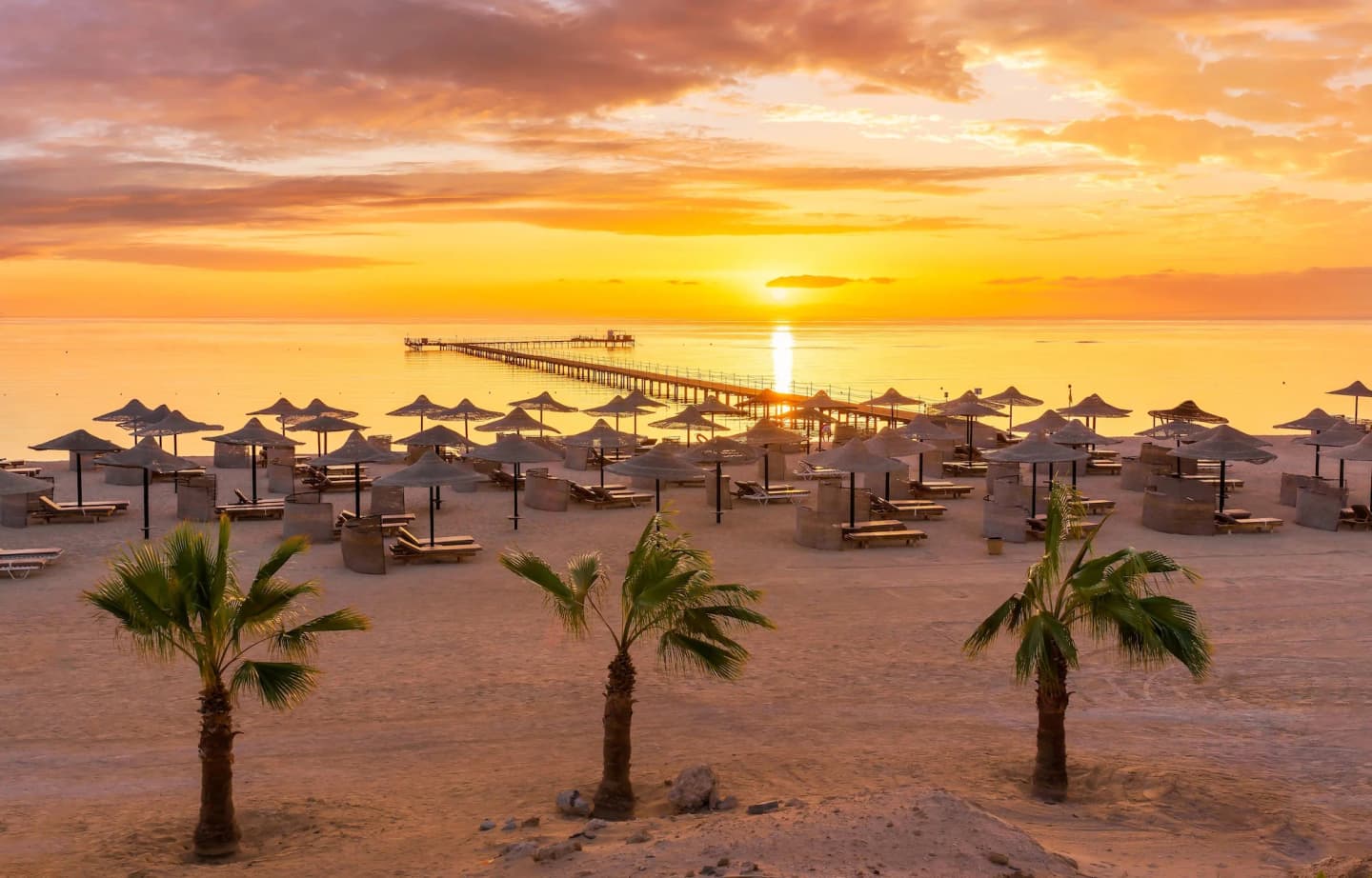
Skimming the tranquil bays and marinas of Egypt’s Red Sea, floating solar platforms sip sunlight and give back quiet, reliable power. Step off a jetty and the difference is immediate: no diesel haze, fewer vibrations, only a hush of rigging and oystercatcher calls. It’s conservation you can hear—or rather, barely hear—while you dive, paddle, or simply watch constellations sharpen after dark.
What Makes This Experience Unique
Floating solar arrays bring clean energy right to the waterfront, where power demand peaks for dive boats, desalination, and dock lighting. The result is less noise and fuel handling near reefs, meaning clearer air on board, calmer nights on shore, and fewer micro-spills. You’ll feel the change in every quiet departure and unhurried return to harbor.
Where to Do It
In South Sinai, Families in Marsa Alam can witness the undersea world—without getting wet—on theBest Time / Conditions
What to Expect
Who This Is For
Eco-curious travelers who crave reef time without the buzz of generators. Photographers seeking silent dawns and steady decks. Families needing clean, dependable marina services between naps and snorkels. Veteran divers who notice every ripple—and appreciate that power now hums from sunlight, not diesel—will love the subtle lift to comfort, air quality, and mood.
Booking & Logistics
Ask your resort or liveaboard about waterfront energy practices and marina partners; many will share their clean-power credentials. Choose early departures to beat winds, and book smaller group boats for gentler briefings and easier entries. For non-swimmers, semi-submarine windows or glass-floors offer reef access without exposure, while electric carts keep pier transfers quiet.
Sustainable Practices
Support operators who power docks with solar, moor on fixed buoys, and avoid feeding fish. Use mineral or reef-safe sunscreen and practice neutral buoyancy over hard corals. Keep fins up on seagrass where turtles graze. The calm you feel—less vibration, cleaner air—is part of a broader shift that keeps fragile bays thriving for your next return.
FAQs
Floating solar minimizes the visual footprint by staying close to marinas and calm basins rather than coral gardens. Travelers usually glimpse platforms during transfers, while the underwater focus remains pristine reefs. The upside is immediate: quieter docks, cleaner air on boats, and power where it’s needed most—right on the water.
How do floating solar farms affect marine life?
Platforms are sited in sheltered, already-modified waters like marinas and lagoons—not above living reefs—reducing habitat conflicts. Shade can temper surface heat and limit fuel handling nearby. Good operators keep clear buffers for navigation and wildlife, continuously monitoring impacts and adjusting layouts to protect coral and seagrass communities.
Can I visit or tour a floating solar installation?
These platforms aren’t theme parks; they’re working infrastructure. You’ll often see them from piers or tenders and learn about them in resort briefings. Some marinas provide interpretive signage or short staff-led explanations. The real “tour” is feeling the difference: quieter boardings, cleaner air, and night skies unspoiled by generator rumble.
Is this experience suitable for beginners and families?
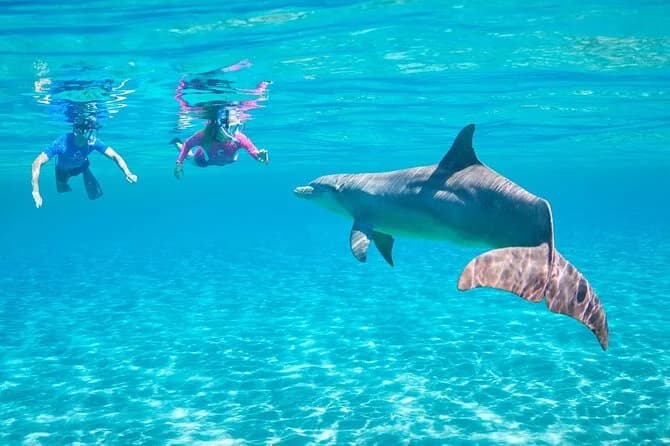
Yes. Calm-bay snorkeling, glass-bottom or semi-submarine tours, and short boat days make it easy for kids and first-timers. Pick sheltered reefs, patient guides, and small groups. With solar-powered dock services, transitions are smoother—less noise, less exhaust—so even nap schedules and sensitive ears enjoy the water without stress.