
Regenerative Red Sea destinations: Hands‑On Eco Luxury in Sahl Hasheesh & Makadi Bay
Quick Summary: On Egypt’s central Red Sea destinations coast, travelers trade sun-lounger passivity for reef nurseries, seagrass checks, and small‑group snorkel or intro diving experiencess that leave habitats healthier. Luxury here is impact—measured in coral regrowth, skilled local jobs, and climate‑ready reefs.
Dawn on the Red Sea destinations. A quiet jetty points toward a glittering house reef, while instructors brief small groups on buoyancy and coral handling. In Sahl Hasheesh, the car‑free promenade and jetty system funnel swimmers directly to deeper water, easing coastal stress. Twenty minutes south, Makadi Bay trades noise for glassy shallows and family‑friendly reefs. In 2026–2026, both are redefining luxury as measurable reef recovery.

What Makes This Experience Unique
These bays make stewardship frictionless. Instead of one‑off voluntourism, you weave micro‑actions into classic vacation days: coral‑nursery snorkels, fixed‑mooring boat tripss, and seagrass “drift counts.” Resorts fund training and reef gear, operators cap groups at six to eight, and you literally see results—juvenile corals thickening, 2–8 m sites bustling again.
Where to Do It
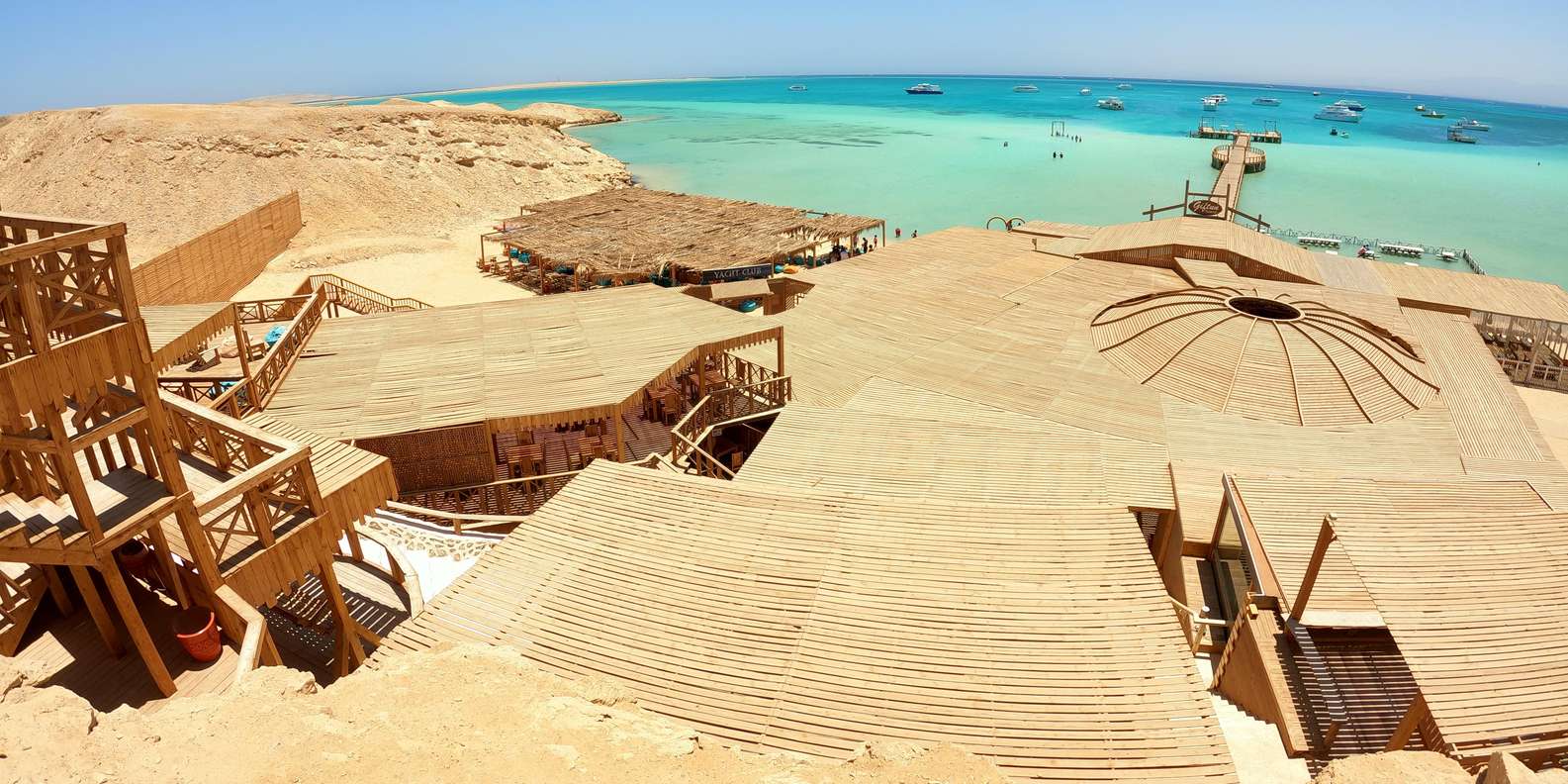
Start at hotel jetties for calm, shallow training zones with 20–30 m visibility. For a sandbar day, boats run to Giftun’s beaches via the popular Orange Bay snorkeling tours trip. Makadi’s gently shelving lagoons are ideal for beginners; experienced snorkelers can join guided drifts along outer patch reefs where current is a touch livelier but still forgiving.
Best Time / Conditions
Mornings bring lighter winds and calmer seas year‑round. Expect 24–26°C water in spring, rising to 27–29°C by late summer; a 2–3 mm shorty suits most snorkelers outside peak heat. House reefs typically read flat to ruffled before noon, with the clearest surface conditions from April–May and late September–November.
What to Expect
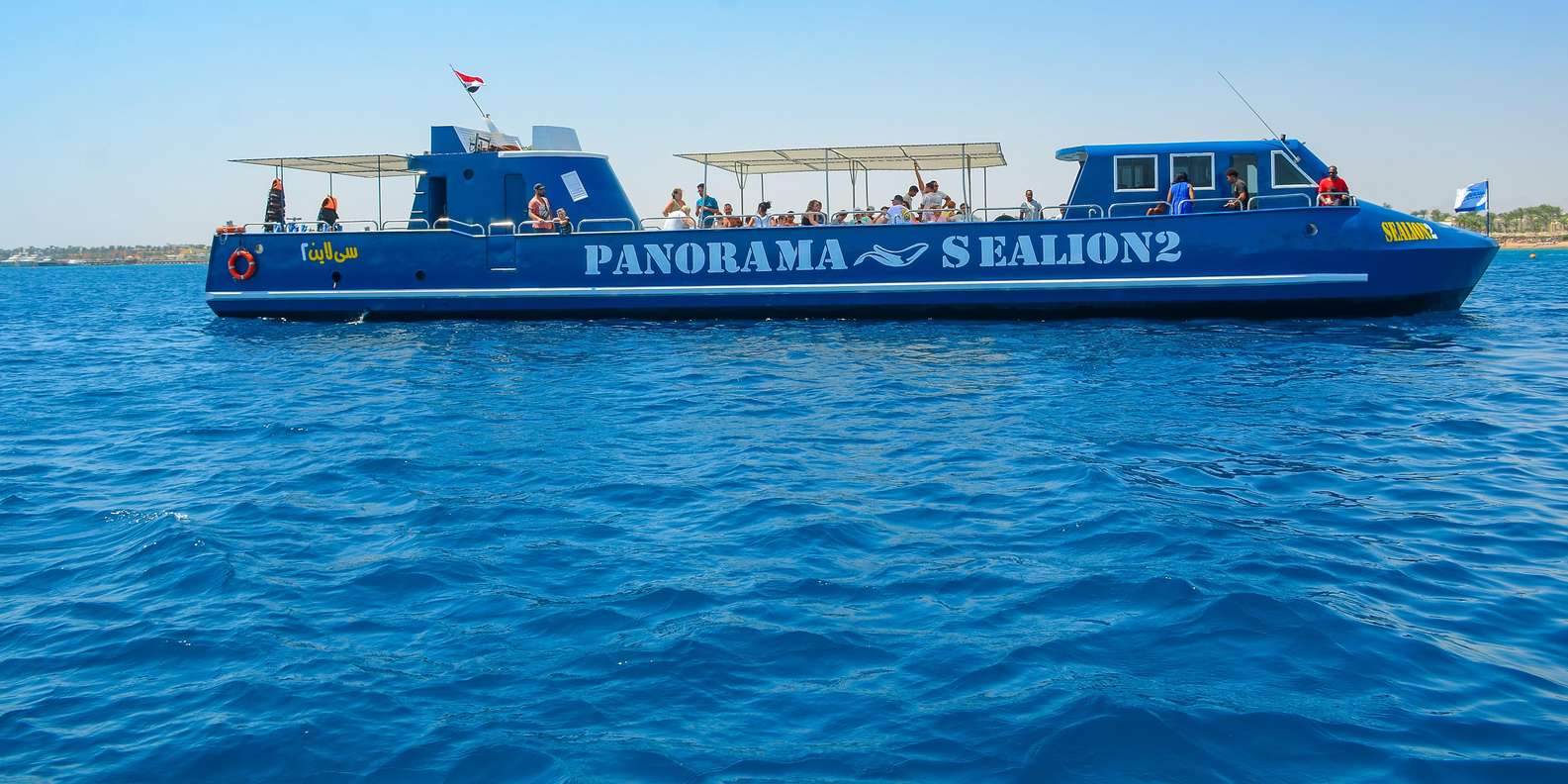
Briefings start shoreside with buoyancy and finning drills—then a slow swim over nursery tables and nearby bommies. Expect anthias clouds, blue‑green chromis, and occasional hawksbills over seagrass. Boat days use fixed moorings; rides from marina to first reef average 30–60 minutes, with two in‑water sessions split by a shaded deck lunch.
Who This Is For
Couples seeking quiet luxury with purpose; families who want shallow, supervised snorkels; and new diving experiencesrs easing into skills without crowds. Photographers will love morning rays across 3–6 m hard‑coral gardens. If you’re ocean‑curious but uncertified, a coached session delivers confidence that transfers to reefs worldwide—without the extractive footprint.
Booking & Logistics
Choose operators that limit group sizes, use fixed moorings, and brief reef etiquette thoroughly. First‑timers can book an hurghada">intro scuba dive in Hurghada before committing to a course; snorkelers should request short‑fin options and rash guards over sunscreen. Transfers run 25–40 minutes from Hurghada Airport; many resorts include jetty access and reef‑safe gear rinses.
Sustainable Practices
FAQs
Stewardship here is designed for accessibility, not exclusivity. Most programs take place in easy conditions with trained guides and buoy lines. You’ll combine short skills sessions with unhurried exploration, learning to spot stress signs, avoid contact, and log simple observations that feed local monitoring and restoration databases.
Do I need to be a diving experiencesr to join reef‑nursery activities?
No. Most nursery visits are snorkel‑friendly and staged in 2–5 m water with excellent visibility and surface support. You’ll learn neutral body positioning and “no‑touch” protocols, then observe or assist with simple tasks like algae removal. If curious about scuba, start with a supervised one‑tank try diving experiences from a shallow platform.
How do boat days stay low‑impact on coral?
Responsible skippers use permanent mooring lines rather than anchors, rotate sites to reduce pressure, and brief passengers on entry/exit to avoid contact zones. Smaller groups (six to eight) mean fewer fins per coral head, and deck teams manage rinse water and waste so nothing drifts overboard—protecting both reef and wildlife.
What should I pack for eco‑safe Red Sea destinations snorkeling tours?
Bring a snug mask, short fins, and a long‑sleeve UPF top to reduce sunscreen use; add a lightweight reef‑safe zinc stick for face and hands. A 2–3 mm shorty helps in shoulder seasons. Pack a soft mesh bag, refillable bottle, and microfiber towel—low bulk, quick dry, and nothing that sheds microplastics.
In these bays, luxury aligns with legacy: your holiday funds guides, moorings, and nurseries that outlast your stay. If you’re deciding between the two, see this practical primer—Makadi vs Sahl Hasheesh vs Soma Bay—then shape your days around coral‑kind habits and a light fin print. The reef will remember.


