Tours & tickets
Valley of the Kings
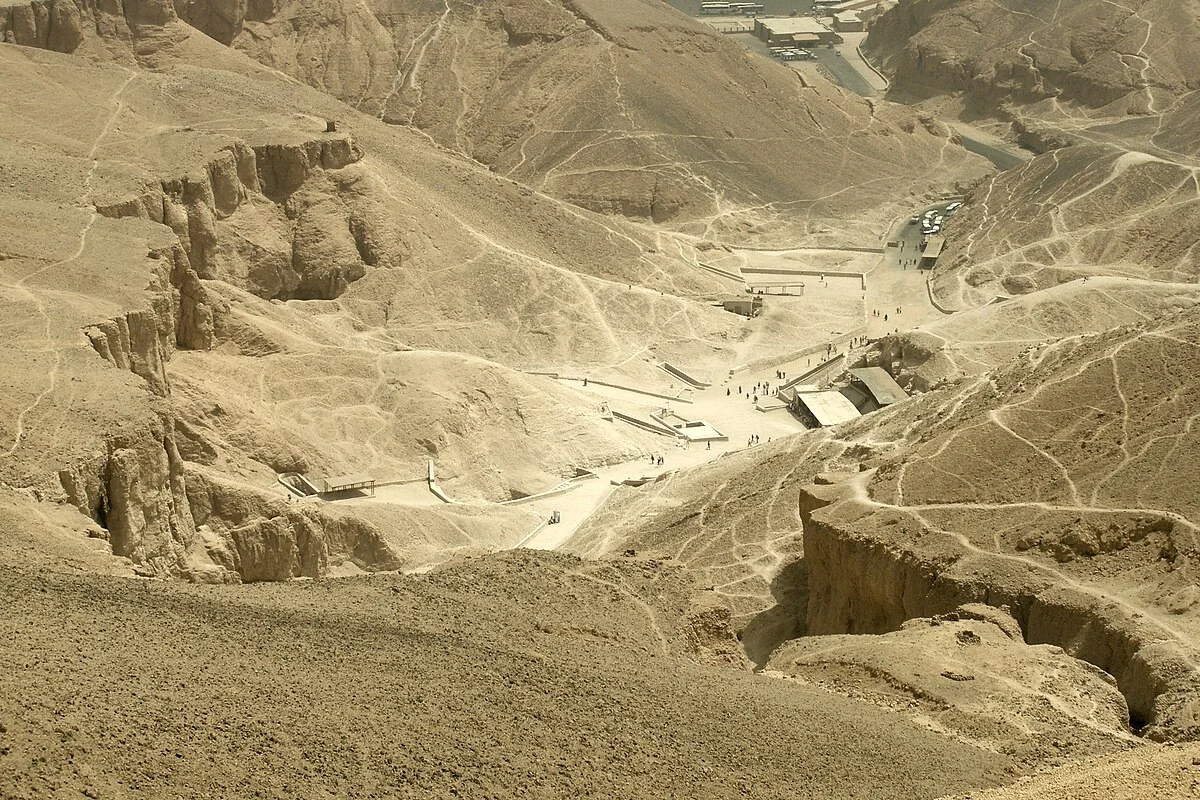
The Valley of the Kings is the burial ground of Egypt's New Kingdom pharaohs, carved into the limestone hills on the west bank of the Nile at Luxor. More than 60 rock-cut tombs — including those of Tutankhamun, Seti I, and Ramesses VI — are lined with vivid painted reliefs of the journey to the afterlife. It anchors most Luxor day tours and Nile cruises, usually paired with the Temple of Hatshepsut and the Colossi of Memnon.
Average activity duration: 4 – 8 hours
Luxor, Egypt
Tours & tickets
Valley of the Kings
The Valley of the Kings is the burial ground of Egypt's New Kingdom pharaohs, carved into the limestone hills on the west bank of the Nile at Luxor. More than 60 rock-cut tombs — including those of Tutankhamun, Seti I, and Ramesses VI — are lined with vivid painted reliefs of the journey to the afterlife. It anchors most Luxor day tours and Nile cruises, usually paired with the Temple of Hatshepsut and the Colossi of Memnon.
Average activity duration: 4 – 8 hours
Luxor, Egypt
About Valley of the Kings
For nearly 500 years, the rulers of ancient Egypt were laid to rest in this remote desert valley, their tombs hidden to protect the treasures meant to accompany them into eternity. Today the Valley of the Kings is one of the world's great archaeological wonders, where you can descend into corridors painted with hieroglyphs as crisp as the day they were sealed.
Most visitors arrive on a guided Luxor tour from the Red Sea resorts or as part of a Nile cruise. A licensed Egyptologist guide brings the reliefs to life, explaining symbolism that a self-guided visit would miss. A standard ticket typically includes a selection of tombs, while certain famous tombs such as Tutankhamun's require an additional ticket. The valley is usually combined with the west bank's other landmarks for a full day of pharaonic history.