
Float Beside Red Sea Turtles: A Quiet, Life-Changing Snorkel
Quick Summary: Glide over seagrass and coral gardens as green and hawksbill turtles pass within clear view, from Sharm’s house reefs to Ras Mohammed and Hurghada’s Giftun. This is an eye-level, ethical encounter that deepens wonder—and responsibility—for the Red Sea.
At first light, the Red Sea lies glassy and pale blue. You slide in off a house-reef jetty at Sharm El Sheikh, exhale, and the world narrows to breath and sunlight. A dark, ancient shape resolves from the green—an unhurried turtle grazing, blinking curiously as you float beside it. For a few beats, the sea is both cathedral and classroom.
What Makes This Experience Unique
Turtles are gardeners of the Red Sea. Green turtles keep seagrass cropped and oxygenated; hawksbills browse sponges that compete with corals, subtly maintaining reef balance. Meeting them at eye level is hushed and unforced, aided by 20–30 m visibility. The intimacy is ethical, slow, and near-shore—no chase, only presence and patience.
Where to Do It
For classic reef drama, join a private Ras Mohammed snorkeling tour to drift past walls and sandy pockets where turtles rise to breathe. From Hurghada, a Giftun Island snorkeling tour pairs patch reefs with calm entries near Hurghada. In Sharm, house reefs and park sites feature in this handy roundup of the best snorkeling spots near Sharm El Sheikh.
Best Time / Conditions
Calmest seas arrive late March–June and September–November, when mornings are glassy and water sits around 24–29°C. Winter dips to roughly 22–24°C reward with quieter sites; summer can hit 28–30°C. Early departures avoid boat traffic, while gentle northerly winds favor leeward bays. Expect 20–30 m visibility and light current on protected reefs.
What to Expect
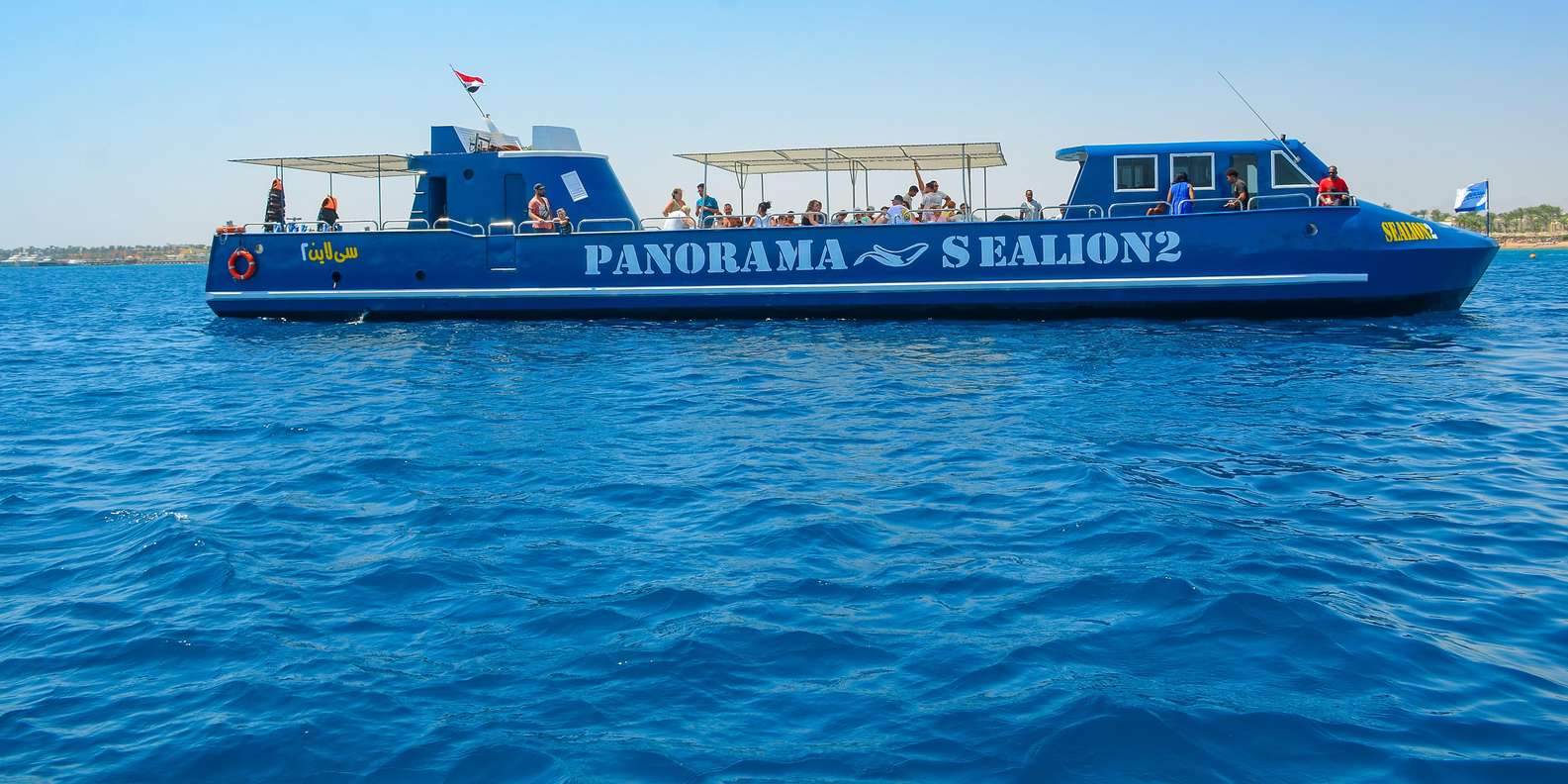
Briefings cover turtle etiquette, then you’ll fin slowly over 2–10 m meadows and coral gardens. Turtles surface every few minutes—watch for ripples and a beak breaking air. Boat days to Giftun typically include two snorkel stops plus beach time, with 30–45 minutes travel each way. In the water, you’ll keep five meters’ space and drift, unhurried.
Who This Is For
Ideal for thoughtful travelers, families with water‑confident kids, photographers who value soft light, and nervous swimmers who prefer easy entries. Strong swimmers can enjoy gentle drifts; beginners thrive on sandy-bottom bays. If you love nature encounters that feel earned rather than engineered, this is your Red Sea moment.

Booking & Logistics
Choose licensed operators that brief on turtle distance, anchor on moorings, and cap groups. Private or small-group boats mean less splash and better sightings. Sharm departures for Ras Mohammed run year‑round, while Giftun trips from Hurghada operate daily in calm weather. Bring a 3 mm suit in cooler months, a snug mask, and float vest if needed.
Sustainable Practices
Keep five meters from turtles; let them choose the moment. Never block ascent paths or dive down over a turtle’s back. Hands off coral, no feeding, and avoid trampling seagrass in shallow entries. Use zinc‑based, reef‑safe sunscreen, or wear UV layers. Select boats using fixed moorings and guides trained in wildlife protocols; skip flash photography.
FAQs
Sea turtles appear across the Red Sea, but patience and timing help. Early mornings, small groups, and calm entries increase your odds and keep encounters respectful. Turtles breathe air; when they ascend, give clear space. Remember, a single slow pass beats chasing—a quiet minute can change how you see the whole reef.
Where are the best turtle odds?
Seagrass meadows hold the edge—Abu Dabbab near Marsa Alam is famed for resident greens. In Sharm, protected bays and Ras Mohammed drifts deliver surprise passes along sandy pockets. Around Hurghada, Giftun’s patch reefs occasionally host turtles between coral heads. Guides track recent sightings; ask for sheltered, seagrass‑adjacent sites.
How close can I get to a turtle?
Maintain at least five meters and never swim directly at one. Stay parallel, breathe slowly, and let the turtle set the pace. If it turns toward you, hold position and enjoy the moment. Never block ascent paths or hover above a resting turtle on the bottom. Hands off, always—no touching or feeding.
Do I need a wetsuit, and what are water temps?
Most snorkelers are comfortable without a suit in late spring and fall. In winter, 22–24°C water favors a 3 mm shorty or full suit, especially on breezy boat days. Summer reaches 28–30°C; rash guards provide sun protection and reduce sunscreen use. A snug mask and soft‑bladed fins keep movements calm and quiet.
Float long enough beside a turtle and wonder becomes stewardship: you feel how their grazing keeps meadows healthy, which supports fish nurseries and the reefs you came to admire. Ready to plan your route? Here’s a broader look at Top Red Sea snorkeling hotspots to map gentle, ethical days in the water.


