
Red Sea, Up Close: snorkeling tours and Glass‑Bottom Boats That Turn Wonder into Care
Quick Summary:snorkeling tours unlocks the Red Sea’s sensory symphony—reef color, fish calls, warm currents—while glass-bottom boats extend that magic to non-swimmers. Together they make marine sightseeing accessible, emotional, and a nudge to protect fragile ecosystems.
The first inhale through a snorkel is a hush, then the world brightens: parrotfish crunch coral, anthias glitter like confetti, and sunlight braids across sand. For anyone who won’t—or can’t—swim, a glass-bottom boat delivers the same chromatic jolt safely above the surface. Either way, the Red Sea’s reefs feel less like scenery and more like a living neighbor.

What Makes This Experience Unique
snorkeling tours in the Red Sea is sensory immersion. Visibility often stretches 20–30 meters, letting you read the reef’s fine details—brain coral ridges, butterflyfish pairs, even the soft sway of anemones. Glass-bottom boats extend that intimacy to non-swimmers, young children, and multi-generational groups. The emotional throughline is the same: up-close wonder becomes a personal stake in coral protection.
Where to Do It
Best Time / Conditions
Mornings are reliably calmer, especially for families. Spring (April–May) and autumn (late September–November) balance warm seas and light winds; expect water around 26–28°C. Summer is a balmy 27–29°C but can be windy midday; winter dips to 22–24°C with cooler breezes. Typical snorkel depths are 1–8 meters, with boat times of 30–90 minutes to prime reefs.
What to Expect

Who This Is For
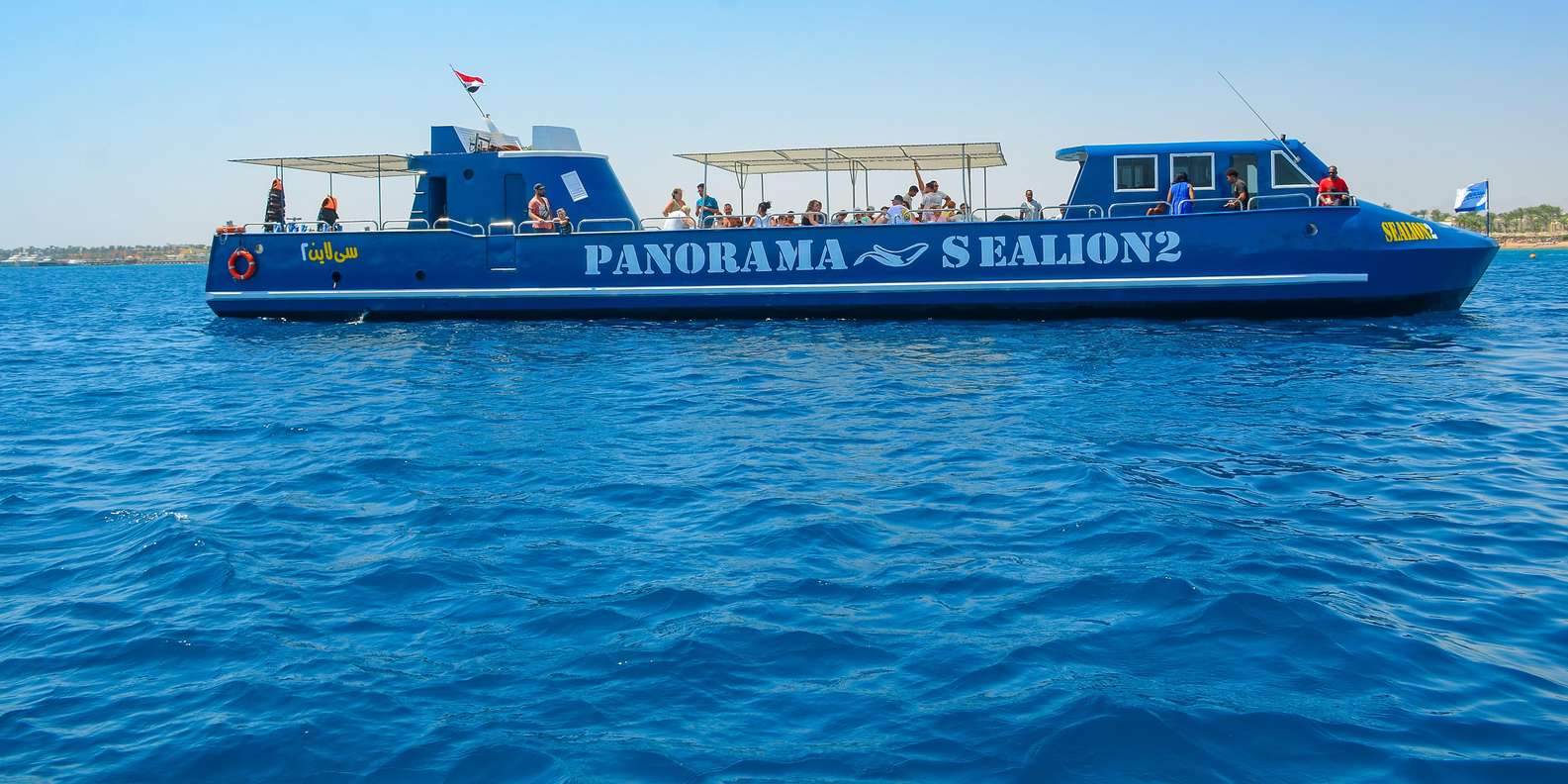
Confident swimmers will love the freedom of shallow drifts, while first-timers appreciate guided groups, life jackets, and reef ropes. Glass-bottom boats suit non-swimmers, photo-first travelers, and grandparents who want in on the color show without a mask. Nervous swimmers often start aboard, then slip in for a short, supervised float near the boat.
Booking & Logistics
Sustainable Practices
The reef breathes through your choices. Float horizontal and still; never stand on coral. Use reef-safe sunscreen or better, wear UPF clothing and apply sunscreen after swimming. Skip fish-feeding and souvenir collecting, and photograph with hands tucked. Choose operators using fixed moorings and pre-diving experiences briefings—those small habits collectively protect fragile polyps and the fish that shelter there.
FAQs
New to Red Sea snorkeling tours or traveling with mixed abilities? These practical answers cover safety, confidence-building, and what to pack. The aim is the same whether you’re in the water or on glass: a vivid, comfortable encounter that leaves the reef unscathed—and you inspired to support its long-term health through smart choices.
Do I need to be a strong swimmer to enjoy the reefs?
No. Glass-bottom boats are purpose-built for non-swimmers, while many snorkel trips offer life jackets, noodles, and guide-towed float rings. Start at a waist‑deep sandbar, practice breathing, then progress to a short, supervised drift. If you’d rather stay dry, watch the coral gardens glide by through crystal panels.
Is snorkeling tours suitable for children and older adults?
Yes—calm mornings, shallow sites (1–2 meters), and flotation aids make it family-friendly. Choose tours with small groups and clear briefings, and keep sessions short to avoid chills. Glass-bottom boats are ideal for grandparents or hesitant kids; everyone shares the same marine moments without pressure to jump in.
What should I bring for comfort and safety?
A snug silicone mask, antifog, and a long-sleeve rash guard cover the basics; add a lightweight towel, water bottle, and polarized sunglasses for boat glare. In cooler months, a 2–3 mm shorty keeps kids warm. Pack reef-safe sunscreen and a soft mesh bag—then leave the reef as you found it.


