
Red Sea Dolphin Snorkeling: A Gentle, Wild Encounter
Quick Summary: Glide over shallow Red Sea reefs while wild dolphins choose to swim beside you. This is an ethical, surface-only experience prioritizing calm, connection, and minimal impact—plus practical guidance on where to go, when conditions shine, and how to book responsible tours.
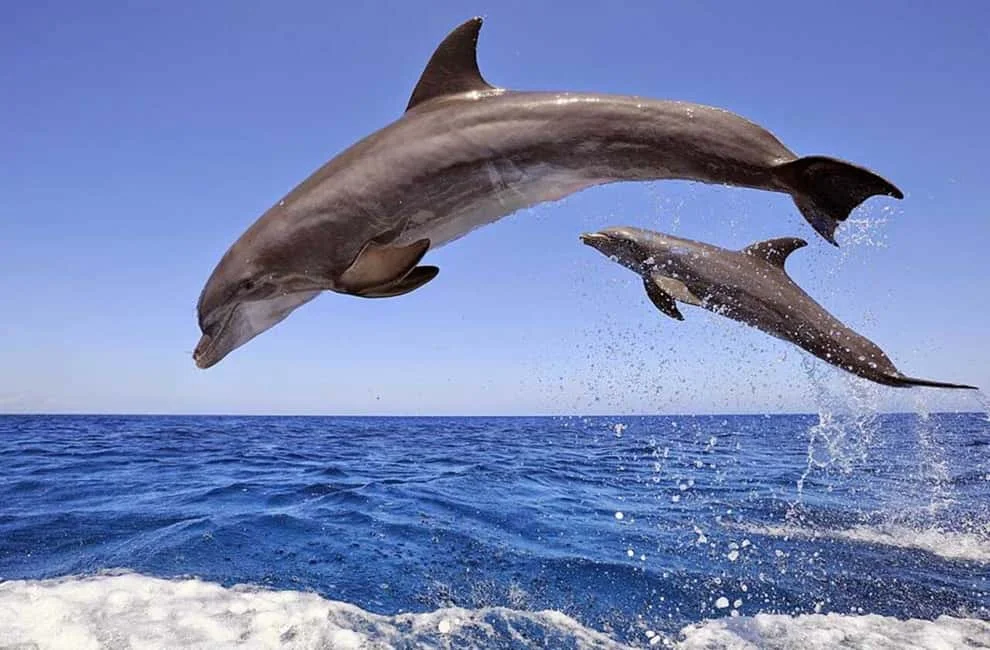
The moment it happens is hushed: a ripple in the turquoise, a fin slicing sunbeams, and suddenly you are hovering, heart steady, breath slow, while dolphins stitch silver arcs through the blue. You don’t chase. You float. If they choose you, they glide alongside—a peaceful exchange that feels profoundly shared.
What Makes This Experience Unique
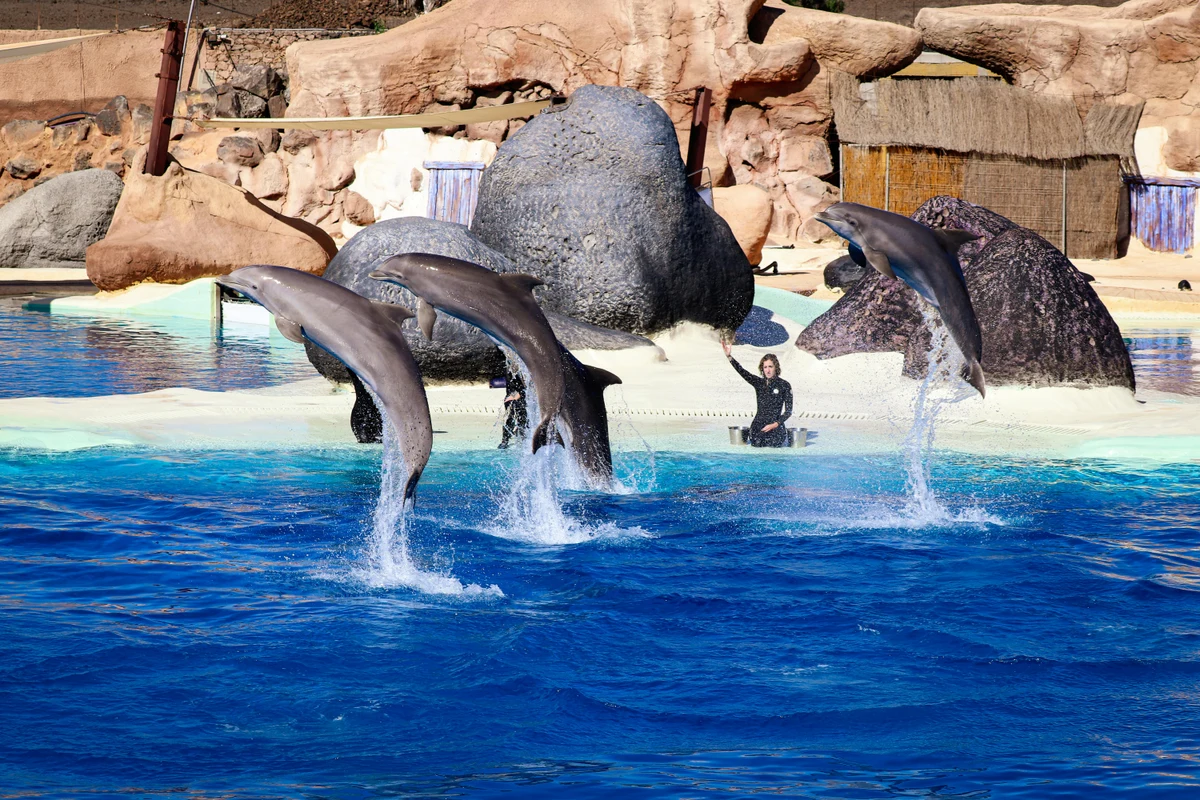
Unlike choreographed shows or motorized pursuits, Red Sea dolphin snorkeling values consent. You remain at the surface over shallow reef plateaus—often two to eight meters—while pods decide if and how to engage. The magic is in stillness: drifting parallel, reading their rhythm, and leaving with the memory of being accepted, not intruding.
Where to Do It
Two standout zones dominate: Dolphin House near Hurghada, and Sataya Reef south of Marsa Alam. For easy access, base in Hurghada (see the Hurghada travel guide) or consider the quieter southern coast via the Marsa Alam travel guide. Sharm El Sheikh and El Gouna also offer reef days with occasional sightings, but dedicated dolphin itineraries concentrate around these classics.
Best Time / Conditions
Calm mornings, milder winds, and clear, settled seas are ideal. Spinner dolphins often rest in protected lagoons after offshore feeding, so early departures help. Year-round is possible; sea temperatures typically range from 22–29°C, with summer’s glassy conditions balanced by spring and autumn’s comfortable air and lighter crowds.
What to Expect
Boat days generally run six to eight hours with two to three guided entries. From Hurghada marinas, expect 40–60 minutes to the reef, while Sataya trips usually depart Hamata with a 60–90 minute crossing. Entries are calm, ahead of the pod’s path, avoiding pursuit—your guide sets spacing, timing, and parallel swim protocols.
Who This Is For
Confident snorkelers who prefer wonder over adrenaline will love this. Families with water-savvy kids, photographers patient for that perfect pass, and mindful travelers seeking genuine wildlife moments fit best. If you’re comfortable floating for 10–15 minutes at a time and following briefings precisely, you’ll be set for a serene encounter.

Booking & Logistics
Choose operators that cap group sizes, brief firmly on no-touch rules, and use gentle entries. From Hurghada, a popular option is this small-group dolphin watching and snorkeling tour. In the deep south, the Sataya Reef dolphin snorkel in Marsa Alam offers the best odds of larger spinner pods. Pack reef-safe sunscreen, long-sleeve rash guard, and closed-heel fins for quieter kicks.
Sustainable Practices
Keep a five-meter buffer, stay at the surface, and never dive toward dolphins. Limit in-water time to short, respectful sessions, and swap turns with other groups. Use zinc-based, reef-safe sunscreen and hydrate using refillable bottles. Follow your guide’s “parallel, not pursuit” mantra—the encounter must always be on the dolphins’ terms.
FAQs
Wildlife is unpredictable, which is precisely why the Red Sea’s dolphin days feel special. Your skipper reads wind, visibility, and pod behavior to decide when (or if) to enter. Some days bring multiple passes; other days are purely observation. Either way, the covenant is clear: connection over chase, always.
Is swimming with dolphins here ethical?
Yes—when tours keep encounters surface-only, avoid chasing, and limit group sizes. Ethical operators brief strictly, space swimmers, and move if dolphins show avoidance. You’ll drift parallel rather than intercept. If conditions aren’t right, they skip the swim. The goal isn’t a guarantee; it’s a respectful chance to be invited in.
Do I need to be an expert swimmer?
No, but confidence matters. You should float calmly for 10–15 minutes, clear a snorkel, and kick steadily without splashing. Guides often provide noodles or life vests; closed-heel fins aid quiet propulsion. Practice mask clearing in your hotel pool. If seas are choppy, opt to watch from the boat—equally memorable.
What should I pack for a dolphin day?
Bring a snug mask, closed-heel fins, and a long-sleeve rash guard. Use reef-safe sunscreen, a hat, and a reusable water bottle. For images, choose a wrist-tethered action camera with a red filter. A lightweight towel and dry bag help on breezy decks; seasickness tablets are sensible for longer Sataya crossings.
When the Red Sea is calm and the lagoon stills, the ocean does the choosing. If you’re ready to answer gently, you’ll carry that moment for years. For further planning, see Routri’s guide to ethical wildlife encounters in Egypt’s Red Sea and our practical Hurghada boat trips guide.


