
Red Sea Diving: Endemic Reefs and WWII Wrecks Made Effortless
Quick Summary: The Red Sea is a living museum beneath glass-clear water—where warm, reliable conditions and 20–40 m visibility reveal endemic-rich reefs and storied WWII wrecks, accessible to curious first-timers and seasoned divers alike.
The first descent feels like stepping through museum glass. Light floods down corridors of hard coral, orange anthias flicker in clouds, and a WWII locomotive wheel appears from the blue—eerie, intact, and impossibly close. The Red Sea’s secret? Conditions so dependable that biodiversity and history reveal themselves with zero fuss.
What Makes This Experience Unique
The Red Sea fuses extremes: kaleidoscopic reef life, dramatic walls, and intact wartime relics within easy day-boat range. Around 10% of fish species are endemic, from masked butterflyfish to Sudanese clownfish, all showcased by 20–40 m visibility. Warm, low-rainfall weather keeps seas predictable, while moored sites and friendly depths make unforgettable dives accessible.

Where to Do It
Base in Hurghada for smooth marinas, sheltered reefs, and quick boat runs—see our Hurghada Travel Guide. In the north, Sharm’s Ras Mohammed walls and Tiran’s current-swept pinnacles steal the show—start with the Sharm El Sheikh Travel Guide. South toward Marsa Alam, seagrass bays harbor turtles and occasional dugong; Dahab brings shore-access canyons and chill, bedouin-vibe logistics.
Best Time / Conditions
Diving runs year-round. Expect water around 22–24°C in winter and 28–29°C mid-summer; a 5–7 mm suit covers most months, with shorties in the peak heat. Prevailing north winds keep seas fresh but manageable, and classic sites offer moorings and leeward options. Visibility hovers 20–40 m, spiking post-wind shifts when the water turns gin-clear.
What to Expect
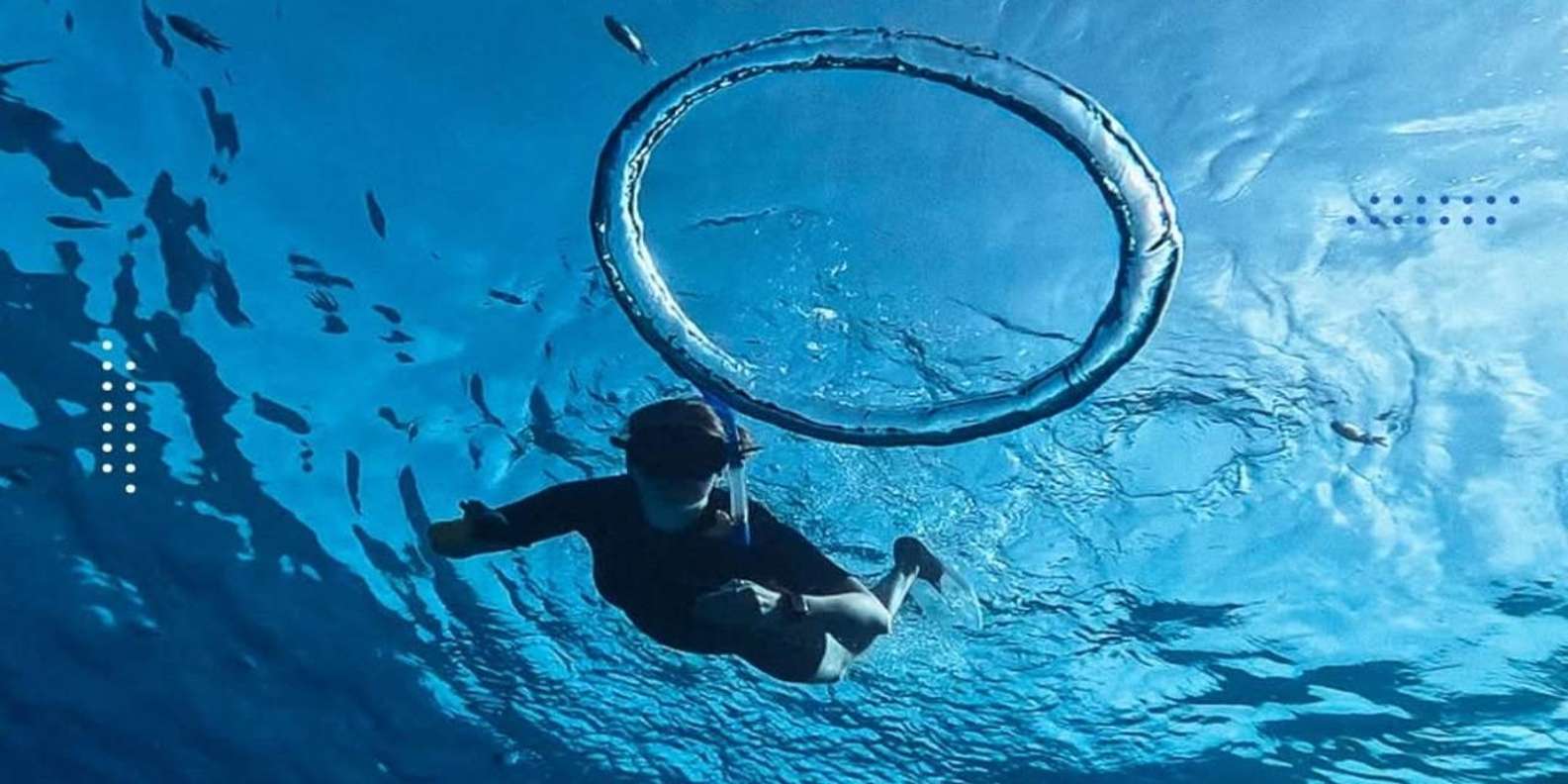
Day boats typically run two dives with lunch onboard, rinsing off in turquoise coves. Reefs layer staghorn gardens, violet soft corals, and schools of fusiliers; keep an eye out for Napoleon wrasse and turtles. The SS Thistlegorm’s cargo holds sit roughly 16–30 m. In Hurghada, an Orange Bay Island scuba diving trip pairs shallow practice with postcard beaches.
Who This Is For
Curious first-timers get gentle reefs, attentive guides, and short boat rides, while certified divers leap to walls, drifts, and photogenic wrecks. Macro seekers find nudibranchs and shrimp in coral heads; wide-angle shooters chase anthias clouds and cavern light. Freedivers relish calm mornings and fixed moorings. Tech divers target deeper wrecks and current-swept pinnacles.

Booking & Logistics
Choose reputable, safety-forward operators with oxygen, radios, and nitrox. Non-divers can “try-a-dive” with full supervision—book an intro scuba diving in Hurghada session to ease in. Cairo–Hurghada flights take about one hour, with hotel-marina transfers streamlined. Bring certification cards and insurance; park fees are paid on board. Rental gear is widely available and well-maintained.
Sustainable Practices
Wear reef-safe sunscreen and perfect neutral buoyancy; never touch, chase, or feed marine life. Use operator-provided rinse buckets instead of deck hosing. Choose boats that moor to fixed buoys and support monitoring or clean-ups. For current efforts, explore Egypt’s new dive sites and reef conservation initiatives, and consider trips that offset fuel and invest locally.
FAQs
First-timers and experts share the same sea here, so most questions revolve around certification, wreck access, and whether to pick a liveaboard or land base. The short answer: conditions are forgiving, options are broad, and you can tailor your week from snorkeling-intro comfort to bucket-list wrecks and drift walls.
Do I need a certification to dive the Red Sea?
No—intro programs let non-certified guests try shallow dives under instructor supervision, typically 5–10 meters on calm reefs with full briefing and hand-holding. If you want independence, complete an Open Water course over three to four days, then explore classic sites at your pace with guided day boats.
Are the famous wrecks suitable for beginners?
Some are, some aren’t. Shallow, intact wrecks with minimal current can be beginner-friendly when guided. The SS Thistlegorm’s depths around 16–30 m and potential current make it best for certified divers with recent experience. New divers can build skills on calm reefs first, then step up to iconic wrecks safely.
Should I choose a liveaboard or shore-based stay?
Liveaboards reach remote pinnacles and offshore walls with more dives per day and sunrise entries, ideal for experienced divers. Shore-based stays suit mixed groups, families, and first-timers: easy hotel comforts, short day trips, and flexible rest days. Many travelers split a week—three hotel nights, then a mini liveaboard.
Whether you’re floating among anthias on a sunlit shelf or finning past wartime cargo, the Red Sea makes world-class diving feel effortless. Plan from hubs like Hurghada and Sharm, then build your wish list—walls, wrecks, and reefs—using this guide and the best dive sites in Sharm el Sheikh to map your must-dos.


