
Royal Seascope, Hurghada: The Red Sea’s Aquarium Window
Quick Summary: Panoramic semi-sub windows reveal reef life in 3D; a short, guided snorkel lets you meet the micro-world. Safe for non-swimmers, unforgettable for families, year-round.
Step down into the blue-lit cabin and the Red Sea floods your field of vision—living coral heads, flickers of electric-blue chromis, a masked butterflyfish inspecting its reflection. On the Royal Seascope semi-submarine tour, you sit just three meters below the surface, watching centuries-old reef architecture come alive, then slip out for a calm, guided snorkel among its quiet details.
What Makes This Experience Unique
Unlike glass-bottom boats, the semi-sub’s wraparound windows place you side-on with the reef, so fish behavior appears in true scale and layers. Visibility commonly reaches 20–30 meters in Hurghada, turning the seascape cinematic. Afterward, a supervised snorkel reveals the micro-world—neon gobies, juvenile wrasses—hidden between branching corals and giant clams. For ID help, see our Royal Seascope species guide.
Where to Do It
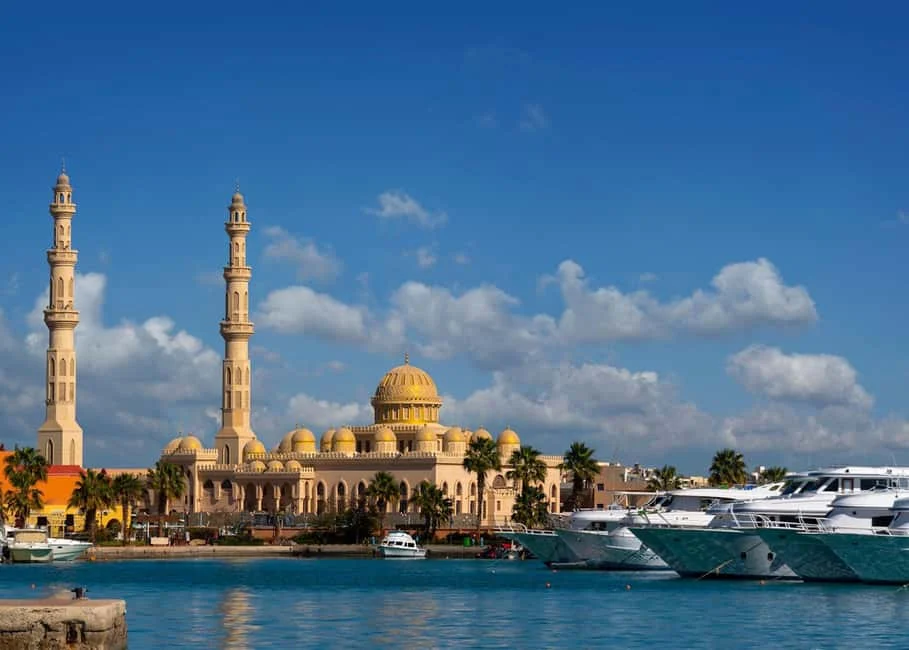
Tours depart from Hurghada Marina and nearby piers, reaching sheltered fringing reefs in 10–20 minutes. These sites balance clear water with beginner-friendly conditions, often inside protective lagoons. Semi-subs also operate in El Gouna and Sharm El Sheikh, but Hurghada’s network and calm bays make it a standout base for mixed groups and first-timers exploring the northern Red Sea.
Best Time / Conditions
This is a year-round encounter. Expect sea temperatures of roughly 22–24°C in winter and 27–29°C in summer; mid-morning or midday light pops reef colors best. Winter’s breeze can lift a small chop, but the cabin rides steady. Snorkelers craving longer sessions should plan around calmer mornings and study our Hurghada snorkeling guide for seasonal nuance.
What to Expect
Boarding is simple: settle into cushioned rows, descend to the viewing deck, and watch as the boat eases along mooring lines—no anchoring on coral. Expect angelfish, sergeant majors, parrotfish (you’ll hear their crunch), masked pufferfish, and anemonefish. The guided snorkel (often 20–30 minutes) is in shallow, clear water with life jackets provided; staff keep beginners close to the reef edge without touching it.
Who This Is For
Non-swimmers, multi-generational families, photographers, and anyone curious about marine ecology. Kids love the “aquarium” feeling, while grandparents enjoy a dry, comfortable front-row seat. If you’re planning a broader family break, our Hurghada family guide shows how to combine reef time with beaches, souks, and gentle desert adventure in a single, easy base.
Booking & Logistics
Reserve early in peak months; morning and midday slots sell fast. Typical duration is around two hours dock-to-dock, including a short snorkel stop and hotel transfers. Bring a towel, reef-safe sunscreen, and an underwater-capable phone case if you plan to shoot. Many operators lend vests and masks; verify sizes for small children before departure to streamline the handover.
Sustainable Practices
Choose operators that use fixed mooring buoys, avoid fish feeding, and brief guests on no-touch etiquette. Keep fins high and hands off coral; even a single kick can damage polyps that took decades to grow. Use mineral, reef-friendly sunscreen and stow all litter. On snorkels, practice calm, horizontal floating—good buoyancy protects fragile branching corals and shy reef residents.
FAQs
People often ask whether this is more like a museum or a wild encounter. It is very much the latter: you’re observing an intact ecosystem in clear water from a stable, dry seat, then—optionally—joining it briefly with a guide. Expect living coral, natural fish behavior, and changing light rather than staged exhibits.
Do I need to know how to swim?
No. The semi-submarine portion is fully dry and seated. The optional snorkel is designed for beginners with life jackets, float lines, and in-water guidance. If you prefer to stay aboard, you’ll still enjoy the full panoramic window experience and live commentary on species, habitats, and reef etiquette.
Will I get seasick below the surface?
The semi-sub sits low and moves slowly along fixed moorings, so motion is mild compared with open-water boats. If you’re highly sensitive, choose a morning slot and look outside at the horizon before descending. Anti-nausea bands or tablets can help; staff can also seat you near the stairs for quick access to fresh air.
What marine life will I see?
Common sightings include emperor angelfish, masked butterflyfish, schools of sergeant majors, parrotfish, blue-green chromis, lionfish on ledges, giant clams, and anemonefish among tentacles. Rays and turtles are occasional visitors. Dolphins may appear on route but aren’t guaranteed. Clarity is excellent on most days, revealing coral relief and fish behavior in vivid detail.
There’s a special hush when the boat turns and the reef fills every pane: a living city built grain by grain. After your Royal Seascope ride, explore neighborhoods at sea level and on shore—our Hurghada districts guide helps you pick your base, and a full-day snorkeling boat trip lets you linger longer among the gardens you just met.


