
Red Sea Photography: Chasing Light from Sinai to Marsa Alam
Quick Summary: Follow the Red Sea’s shifting light from Sharm and Dahab to Hurghada and Marsa Alam. Pair golden-hour coastlines with calm, mid-morning snorkels, use simple hybrid techniques, choose ethical operators, and turn close encounters with coral, culture, and wildlife into images that inform and protect.
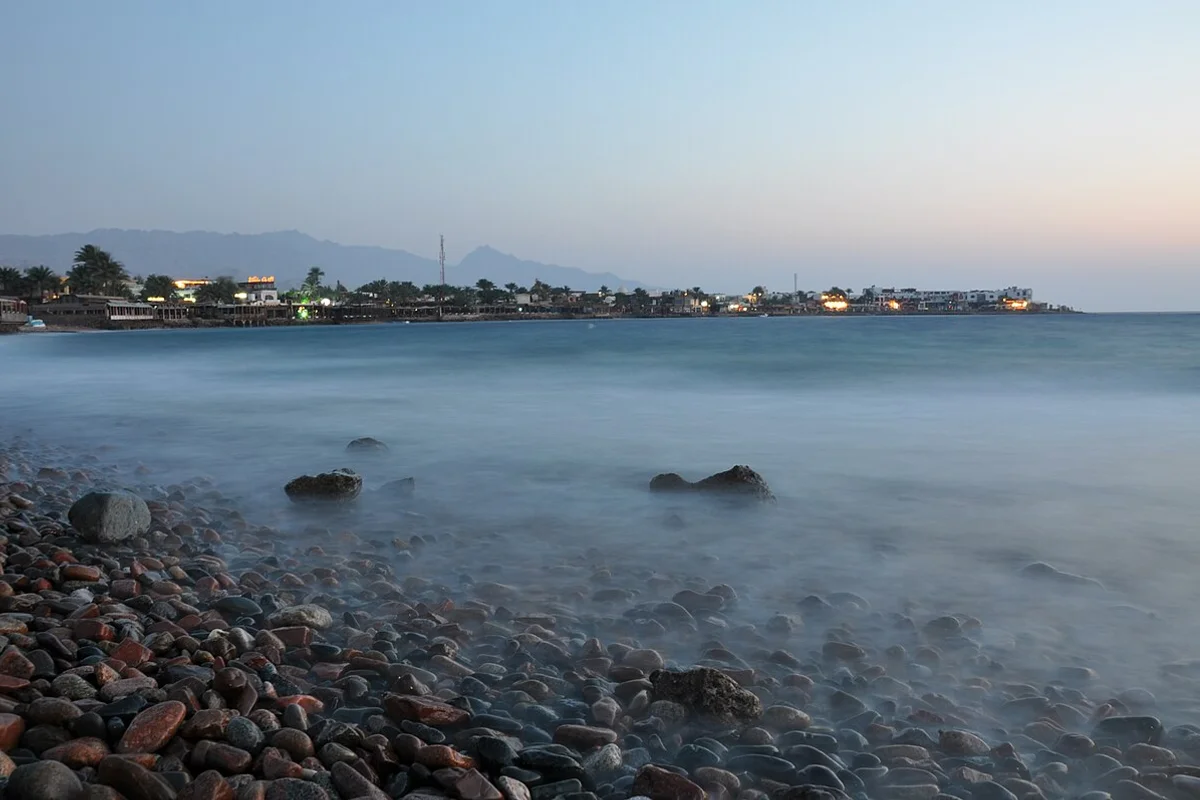
Begin where gold meets cobalt: the Sinai shore. I chase dawn along Naama Bay before drifting south to Dahab’s reefs, then leap to Hurghada’s sandbars and end in Marsa Alam’s quiet coves. In each stop, I build images around light windows: first light on water, mid-morning underwater, and ember sunsets skimming desert-backed coastlines in Sharm El Sheikh.
What Makes This Experience Unique
The Red Sea offers a rare continuous canvas: desert mountains, seagrass meadows, drop-offs, and lagoons within a single itinerary. You can shoot sunrise dunes, then snorkel vibrant reefs with 20–30 m visibility, often in the same hour. Blending topside storytelling with shallow, ambient-light underwater frames yields cohesive narratives anchored in place and purpose.

Where to Do It
Work north-to-south to follow calmer seas and softer light. Pair Dahab’s reef rim with a guided Blue Hole snorkeling day trip, then swing to Hurghada’s islands for sandbar whites and boat life. Finish in Marsa Alam, where house reefs glow in quiet coves and turtles browse seagrass meadows just off the beach.
Best Time / Conditions
Plan golden-hour coastlines at sunrise and the last 45 minutes before sunset. For underwater, target 9–11 a.m. when wind is light and rays penetrate 1–5 m cleanly. Expect water at roughly 24–29°C across much of the year and shallow reef tops at 1–3 m—great for ambient light and longer, relaxed snorkel sessions.
What to Expect
Shallow entries, easy boats, and forgiving light. Hurghada sandbars are usually 45–60 minutes by boat; Dahab’s Blue Hole presents a dramatic drop-off beside a bright rim; Marsa Alam’s bays offer calm mornings for turtles. Underwater, auto ISO capped near 1600, shutter around 1/250s, and custom white balance on sand keep colors honest without strobes.
Who This Is For
Travelers who value purposeful images over gear lists: snorkelers, new divers, and coastal walkers with an eye for story. Families can work from the surface safely; creators can carry one versatile zoom and a compact action camera or housing. If you enjoy pairing people, place, and reef detail, this itinerary delivers layered frames quickly.
Booking & Logistics
Base in Sharm El Sheikh or Dahab for Sinai shoots, then hop a short flight or highway to Hurghada, finishing in Marsa Alam. Choose operators who brief on reef etiquette and use moorings. First timers can test skills on a Marsa Mubarak intro dive to balance snorkels with a supervised dip below 5–10 meters.
Sustainable Practices
Build conservation into the frame: avoid touching coral, kneel only on sand, keep 5 m from turtles and 3 m from rays, and skip flash. Use reef‑safe sunscreen, carry a mesh bag for micro-litter, and book operators that fund moorings or park fees. Let captions note species, habitat, and threats so images inform as well as inspire.
FAQs
This itinerary blends light-first planning with accessible sites, so most images are possible without advanced dive training. Below, practical questions address gear, skills, and timing. Each answer keeps the focus on safe, respectful encounters, helping you leave with a cohesive set that tells a story from shore to reef.
Do I need a big camera housing for great underwater shots?
No. In the Red Sea’s clear water, a compact camera or action cam with a red filter and manual white balance works well to 5–8 meters. Shoot 1/250s, f/5.6–f/8, Auto ISO cap near 1600. Prioritize proximity, stability, and good angles over megapixels; your best “upgrade” is calm, mid‑morning light.
How do I keep colors natural without strobes?
Use ambient light. Set a custom white balance on sunlit sand at 1–3 meters, then refresh it as depth or clouds change. In mixed scenes, expose for highlights and bring shadows up in post. For topside golden hours, underexpose by 1/3–2/3 stop to preserve sky gradients and hold texture in waves.
What’s a simple day plan that works for all levels?
Sunrise shoreline walk, then a protected reef snorkel 9–11 a.m., break for noon wind, and finish with a low‑sun boat or beach session. In Dahab, consider the Blue Hole trip; in Marsa Alam, a gentle bay or Marsa Mubarak. Keep transit short so energy goes into framing, not logistics.
Chase light, not lists. Let Sinai’s gold, Hurghada’s sandbars, and Marsa Alam’s soft mornings teach restraint, then deepen your approach with Routri’s field-tested Red Sea photo spots guide and practical underwater photography tips. Your best photographs will honor both the reef’s beauty and the community that calls it home.


