
The Red Sea’s Most Instagrammable Spots: Coral Gardens to Desert Cliffs
Quick Summary: A practical, sustainable photo guide from underwater coral gardens to desert cliffs—best spots, timing, and ethical tips to turn posts into lasting, responsible memories.
Between sapphire lagoons and cinnamon-colored escarpments, Egypt’s Red Sea is a playground for light. This shot-smart guide maps vivid, low-impact photo moments for the Red Sea Quest Community—from reef gardens and drop-offs to wind-shaped dunes and cliff lines—so every share-worthy image doubles as a promise to protect what makes this coast extraordinary.
What Makes This Experience Unique
Few places pair desert drama with reefs this healthy and accessible. Expect year‑round clarity—often 20–30 meters—plus shallow coral gardens that make underwater photography possible without tanks. Add ochre mountains, reflective lagoons, and seagrass meadows frequented by turtles, and you’ve got natural diffusers, leading lines, and wildlife encounters in a compact, wildly photogenic radius.
Where to Do It
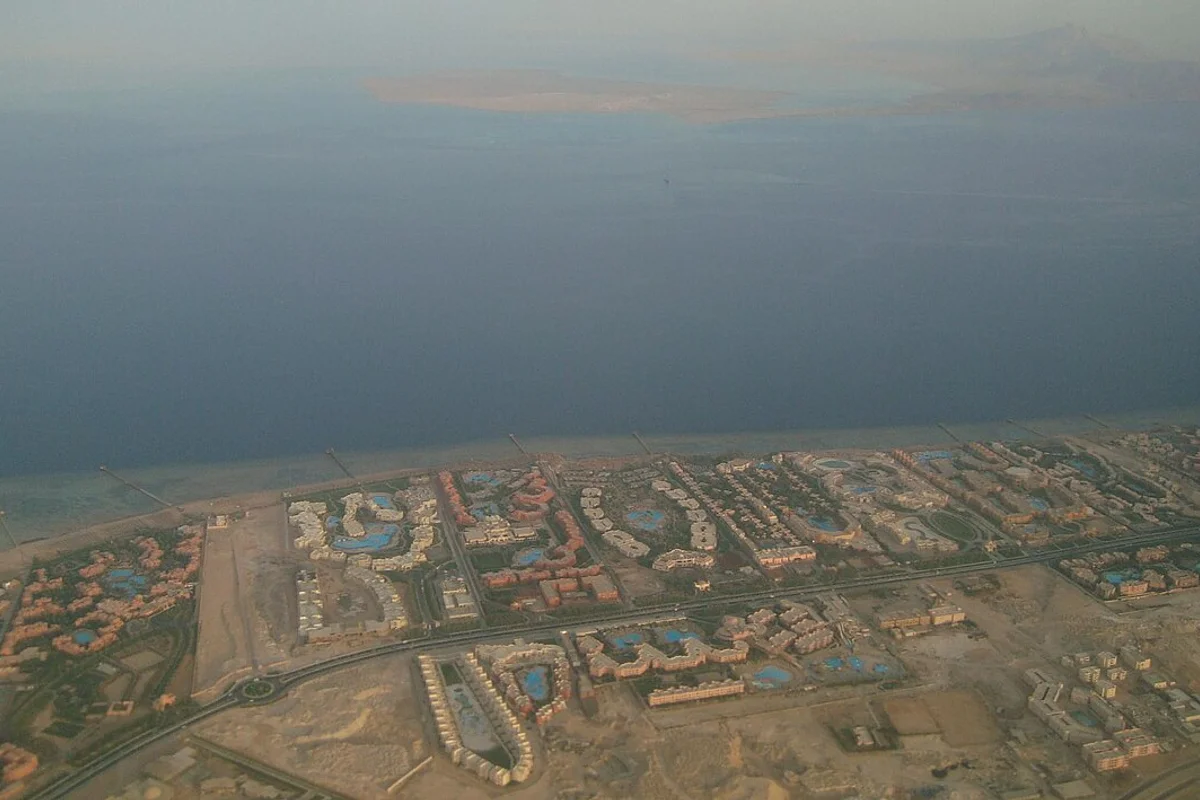
For pastel lagoons and clean shoreline geometry, base in El Gouna. For classic boat days, bustling marinas, and easy reef access, choose Hurghada. In the Gulf of Aqaba, the Tiran Island snorkeling and diving tour delivers towering pinnacles and gin‑clear drop‑offs. South of there, Marsa Alam’s seagrass flats host turtles and dugong on calm mornings—perfect for respectful, wide‑angle wildlife frames.
Best Time / Conditions
Golden hour does the heavy lifting—sunrise for glassy water and empty sands; sunset for warm cliff tones and backlit reef silhouettes. Winter sea temps hover around 22–24°C; late summer pushes 28–29°C, with visibility commonly 20–30 m. Mornings are typically calmer; plan boat days early, and save windier afternoons for dunes, lagoons, and long-lens shoreline abstracts.
What to Expect
Boat rides to fringing reefs are usually 20–60 minutes, with two or three in‑water sessions. Many snorkel gardens plateau between 1–8 meters, ideal for natural‑light shots and split‑level frames. Expect gentle to moderate currents on headlands and drop‑offs; brief surface chop can add sparkle—use it intentionally for glittering bokeh behind your subject.
Who This Is For
Surface shooters chasing color, divers hunting wide‑angle drama, and families mixing boat days with beach sunsets. If you love clean lines and cinematic light, you’ll find them here—no heavy rigs required. Non‑divers can still nail stunning reef images in chest‑deep water, while pros can build full narratives from dock prep to desert twilight.
Booking & Logistics
Prioritize operators who brief buoyancy, wildlife distance, and fin control. For turn‑key boat days, look at a Hurghada 2‑dive day that includes lunch and transfers. Pack a red filter for 5–15 m, a polarizer for shorelines, and a microfiber for spray. National park permits are handled by boats; carry reef‑safe sunscreen and a soft gear mat to avoid sandy optics.
Sustainable Practices
Keep at least one fin‑length between you and coral; never touch, stand, or rearrange. Maintain a one‑to‑two‑meter buffer from turtles, dugongs, and rays; no feeding or chasing. Choose biodegradable, non‑nano sunscreen, rinse gear away from the shoreline, and skip flashes around resting animals. For up‑to‑date context, see our Red Sea Coral Reef Report 2025.
FAQs
This community shoots with intention. Below are practical answers to common questions—from non‑diver photo tactics to settings that keep colors honest. Every tip favors low impact: light first, subject second, and reef safety always. Use them to turn fast content into lasting, place‑positive memories.
What if I don’t scuba dive—can I still get epic underwater shots?
Yes. Work shallow gardens at 1–5 m where sunlight paints true color and silhouettes pop. Snorkel drop‑off edges for dramatic negative space; hold position, let subjects enter frame. Visibility often sits at 20–30 m, so natural light plus a red filter or manual white balance keeps tones believable without strobes.
What camera settings and lenses are best for the Red Sea?
For reefs, go wide (16–35 mm) at 1/125–1/250 s and f/5.6–f/8 to freeze fish and control flare; set manual white balance every few meters. For shorelines, use a polarizer, ISO 100–200, and underexpose a third stop at sunrise. Drone pilots: fly early, low wind, and compose with repeating lagoon lines.
How do I photograph wildlife responsibly?
Let the animal lead. Stay outside its comfort arc, move slowly, and avoid blocking paths to air or depth. No touching, feeding, or flash on resting subjects. Master trim and breath control to reduce kicks; if you’re stirring sand, you’re too close. Wider framing plus gentle edits beats risky proximity every time.
There’s magic in the Red Sea’s meeting of clarity and desert form—made richer when we leave it unmarked. Build your story from first light to last splash, then keep the promise in your captions. For more low‑impact tactics on shallow sites and boat alternatives, browse our snorkeling and glass‑bottom boats guide.


