
Inside the Red Sea Revival: Sustainable Luxury, Living Reefs
Quick Summary: Egypt’s Red Sea is staging a high-stakes experiment: upscale coastal development aligned with reef protection and local livelihoods. Expect new luxury, stricter conservation, and traveler accountability to collectively define a resilient coastal identity.
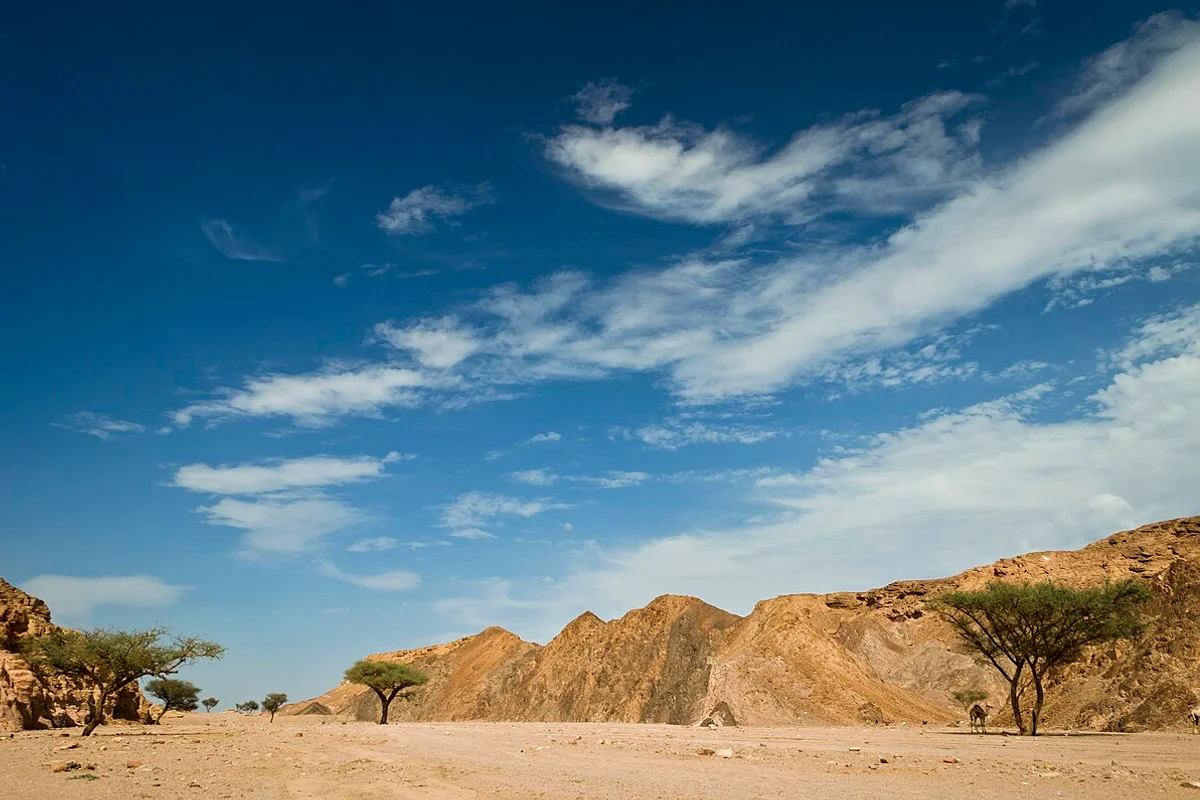
At sunrise, the Sinai mountains glow copper as boats idle toward Ras Mohammed. Onshore, cranes mark new marinas and boutique villas; offshore, parrotfish and anthias patrol reef plateaus that have outlived empires. The Red Sea revival isn’t just a building boom—it’s an experiment in whether luxury can finance protection, and whether protection can secure jobs, from Hurghada and Sharm el‑Sheikh to El Gouna and Marsa Alam. With new resorts and megaprojects opening in 2026–26, the stakes are ocean‑deep: living coral, coastal identity, and a regional economy bound to the water’s edge.
What Makes This Experience Unique
Where to Do It
Best Time / Conditions
What to Expect
Who This Is For
Booking & Logistics
Sustainable Practices
Bring mineral sunscreen, a rash guard, and a soft‑tip pointer for stability on sandy patches—never the reef. Choose small‑group boats using mooring lines, refill stations, and no‑single‑use plastics. Eat local, seasonally, and skip reef fish. For practical planning, see Routri’s low‑impact, sustainable Red Sea travel tips focused on 2026 readiness.
FAQs
Is reef health improving or declining?
How do I keep a family trip reef‑safe?
Will luxury stays price out local livelihoods?
If the Red Sea revival succeeds, it will be because travelers demanded beauty with boundaries: fewer anchors, more moorings; fewer buffets, stronger markets; less noise, richer nights. Start with grounded hubs like Hurghada and Sharm, track 2026–26 openings, and choose operators who treat every reef as the luxury it truly is.


