
Red Sea Freediving: One Breath, Infinite Blue
Quick Summary: Trade bubbles for stillness and discover the Red Sea on a single breath. From beginner lines in sheltered bays to dramatic drop‑offs, this is a serene, gear‑light way to meet coral cathedrals, drifting walls, and wildlife while building confidence, focus, and calm.
Slip from the boat, exhale, and the noise fades. Your world narrows to a ribbon of light, a slow kick, the rhythm of a single breath. Below, coral spires glow like stained glass; above, the surface dances. Freediving the Red Sea turns adventure into intimate meditation—a silent conversation with the sea.
What Makes This Experience Unique
Freediving strips the ocean back to breath and body, granting a hush you never find under scuba bubbles. Without heavy gear, you move like a fish, feeling thermals, micro-currents, and your own heartbeat. The Red Sea’s warm clarity—often 20–30 meters of visibility—turns every descent into a cathedral‑quiet, light‑filled glide.

Where to Do It
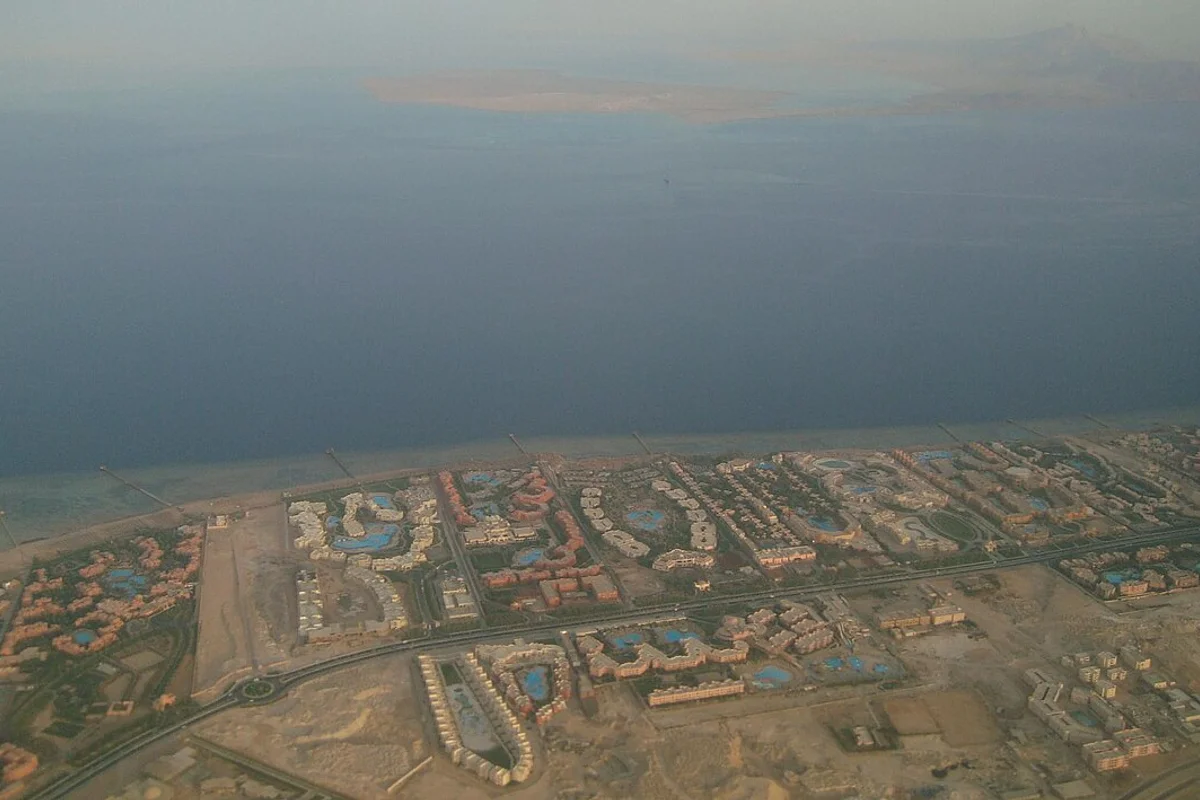
Sinai and the Eastern Desert coast are dotted with world-class sites. Shore entries and lines flourish around Dahab, home of the iconic Blue Hole. In the south, bays near Marsa Alam offer mellow training and turtle meadows. From Sharm, boats reach Tiran shelves—book a Tiran Island snorkeling tour for steady reef access and safety cover.
Best Time / Conditions
The Red Sea is reliably warm: expect roughly 22–30°C water through the year, with cooler winters ideal for clear air and calm mornings. Early starts reduce wind chop, improve surface safety, and boost wildlife chances—see our dolphins & turtles guide. Summer brings heat but glassy seas; shoulder seasons balance both.
What to Expect
Beginners start shallow on a buoy and line, meeting a coach at 3–10 meters to refine equalization, finning, and relaxation. Confident divers drift along walls where drop‑offs fall past 50 meters in a fin’s reach. Expect manageable boat days, bright reefs, and easy entries at spots like the Coral Garden snorkeling tour.
Who This Is For
If you crave presence over speed, this is your element. Breath-work enthusiasts, underwater photographers, and mindful movers thrive here. Families with teens can share line sessions in sheltered bays, while athletes can chase depth goals. The hallmark isn’t numbers; it’s the calm you carry back to shore.

Booking & Logistics
Choose AIDA or SSI‑certified schools with safety divers, oxygen, and radios. Gear rental is common; bring a snug wetsuit, low‑volume mask, and long fins if you own them. Boat runs from Hurghada marinas to island reefs typically take 40–60 minutes, with shaded decks, tea, and two in‑water sessions.
Sustainable Practices
Minimalism is your superpower: streamline gear, avoid reef contact, and keep hands tucked to prevent accidental touches. Use truly reef‑safe sunscreen or full‑body lycra. Give wildlife the right of way and time your dives to avoid crowd surges. Your stillness sets the tone; others will often mirror your respect.
FAQs
New to breath-hold or just new to the Red Sea? These quick answers tackle first-day jitters, iconic sites, and practical packing so you can feel prepared. Freediving rewards calm planning: the right school, steady progression, and a simple kit make each session safer, quieter, and far more enjoyable.
Do I need scuba experience to start freediving?
No. Freediving is its own discipline, focused on relaxation, buoyancy, breathing, and equalization rather than tanks or gauges. A beginner course covers breath-up, duck dives, safety protocols, and buddying. Many students progress from relaxed 3–10 meter sessions to confident, longer dives within a few days of coaching.
Is Dahab’s Blue Hole safe for beginners?
Yes—with a certified school. Beginners typically train on a line at the rim, not through the Arch. Coaches manage buoyancy, safety lanyards, and gentle depth targets matched to your comfort. The site’s easy access and swift depth make it excellent for progression when protocols are followed.
What should I pack for Red Sea freediving?
Bring a 3–5 mm wetsuit season‑dependent, snug mask and snorkel, long fins, thin socks, and a soft weight belt if you have one. Add defog, a hat, and a insulating top for surface intervals. Schools provide buoys, lines, and safety gear; rentals cover most essentials if you travel light.
On a good day you’ll surface smiling, the sea still humming in your chest. When you’re ready to blend breathwork with shore bliss, consider Red Sea wellness retreats—the perfect way to stretch, slow down, and let the silence linger long after the dive.


