
Slip Into Light: Red Sea Hidden Caves & Glassy Lagoons
Quick Summary: Explore swimmable cave swim‑throughs and tranquil lagoons from Sinai to Marsa Alam with gentle, low‑impact techniques. Expect 20–30 m visibility, 22–30°C water, and short boat rides to Ras Mohammed and Sataya. Book small‑group guides, time for morning calm, and leave only bubbles.
The Red Sea tells a story written by fire and saltwater: rift‑torn headlands, limestone ledges, and coral cathedrals where light behaves like silk. Follow that story into secret rooms and mirror‑calm lagoons. Some chambers invite careful fin‑kicks through open swim‑throughs; others ask you simply to float, listen, and let color do the talking.
What Makes This Experience Unique
Few places combine such accessible geology with tropical clarity. Here, cave‑like swim‑throughs form along reef buttresses, letting confident snorkelers and guided divers drift through “rooms” of diffused blue. The silence amplifies parrotfish crunches and the pop of bubbles. Step out again into glassy lagoons that feel like sanctuaries—nature’s slow mode built for unhurried wonder.
Where to Do It
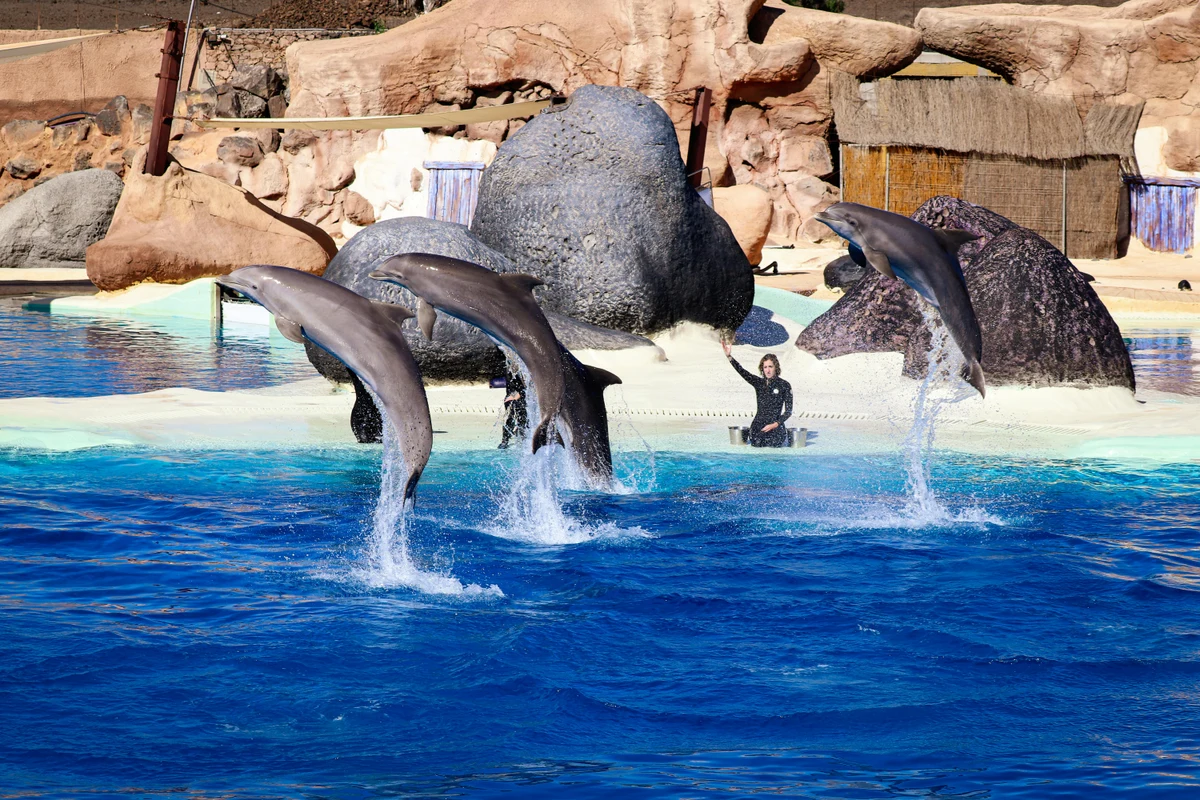
In Sinai, the walls and lagoons of Ras Mohammed National Park cradle calm pockets and classic drifts. North, limestone shelves around Dahab frame photogenic caverns and shore entries. In the south, Sataya Dolphin House offers a vast, sheltered lagoon near Marsa Alam, while El Gouna’s human‑made lagoons reward quiet paddles between gentle reef flats.
Best Time / Conditions
Early mornings bring the steadiest surfaces and clearer water before wind chop builds. Expect 20–30 m visibility much of the year. Sea temperatures hover near 22–24°C in winter and 28–30°C in late summer, with spring and autumn offering the best mix of warmth and calm. Choose leeward reefs on breezy days and avoid surge‑exposed headlands.
What to Expect
Most lagoon and reef trips run as relaxed day boats. From Sharm, count roughly 45–90 minutes to Ras Mohammed depending on sea state. Marsa Alam boats make a scenic two‑hour cruise to Sataya. Cavern‑style features are typically open swim‑throughs; Dahab’s Blue Hole, for context, has a shallow “saddle” around six meters and deeper zones requiring advanced training.
Who This Is For
If you love color, quiet, and subtle movement, this is your element. Confident snorkelers drift over coral skylights; photographers chase shafts of light; new divers practice trim in safe, open passages; families float in warm lagoons with easy entries. Adrenaline seekers find their moments in current‑kissed channels, while daydreamers linger where the sea turns mirror‑still.
Booking & Logistics
Prioritize small‑group boats with naturalist guides and flexible timings. Private or semi‑private options help you enter lagoons before mid‑morning traffic. Verify permits and park fees for Sinai sites, confirm safety briefings for swim‑throughs, and ask operators about alternative sheltered stops if wind rises. Photographers: pack a focus light and red filter; paddlers: arrange return shuttles.
Sustainable Practices
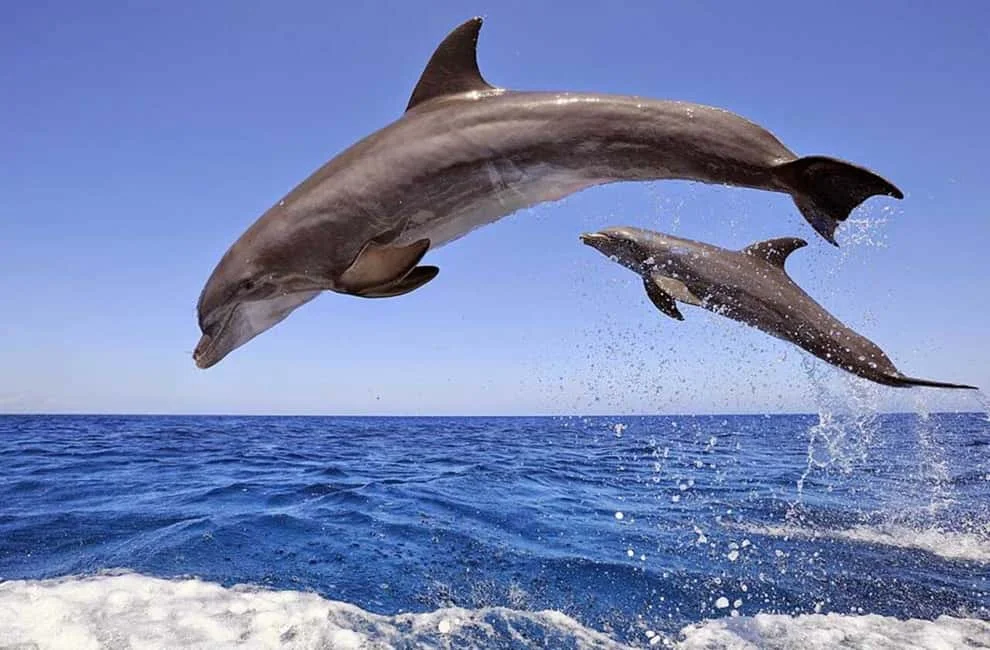
Move slowly with bent‑knee frog kicks, stay off the bottom, and keep hands clear of walls—beautiful encrusting life lives there. Skip touching, feeding, or chasing wildlife; at Sataya, observe dolphins passively from the surface. Wear full‑sleeve rash guards and reef‑safe sunscreen. If visiting Dahab’s sinkhole, review Blue Hole safety protocols and avoid any overhead environments beyond your training.
FAQs
Hidden caves and lagoons sound mysterious, but most experiences are gentle by design. The aim is effortless floating and careful observation, with optional guided swim‑throughs where ceilings are high and exits obvious. Pair the right site with the day’s conditions and a patient guide, and you’ll find calm, color, and confidence building with every kick.
Do I need to be a certified diver to enjoy the caves?
No. Many “cave” experiences here are really short, open swim‑throughs that confident snorkelers can peer into from above, or that guided beginners can bypass entirely. Guides will match routes to skills and surge. Divers enjoy longer passages, but nobody should enter true overheads without proper training and conditions.
Are these spots family‑friendly and safe for first‑timers?
Yes—choose lagoon‑focused days and sheltered reefs. Sataya’s broad, shallow lagoon is ideal when seas are calm, and Sinai boats can pick leeward bays. Life jackets, pool‑noodle floats, and patient pacing help newcomers relax. Briefings cover hand signals, buddy spacing, and how to avoid contact with coral while turning or resting.
What should I pack for low‑impact exploring?
Bring well‑fitting mask, soft‑blade fins, and a long‑sleeve rash guard for sun protection. Add a snorkel with purge valve, lightweight reef‑safe sunscreen, and a compact torch for peering into shadowed crevices without touching walls. Photographers benefit from a red filter and lanyard. For boats: windbreaker, dry bag, and anti‑fog drops.
In the Red Sea’s secret rooms, the loudest thing is your breath. Time your entry for morning hush, float where the water glassifies, and let the light work on you. Planning a broader base by the reefs? Our Hurghada snorkeling guide extends the lagoon mood with easy reef days when you’re ready to roam.


