
Beginner’s Red Sea Diving Safety: From First-Dive Nerves to Calm, Confident Reefs
Quick Summary: Start shallow with a reputable operator, keep within training limits (max 18 m for Open Water), do thorough buddy checks, follow briefings, control buoyancy to protect coral, and choose gentle sites with light current and high visibility.
You never forget the first breath underwater. In Egypt’s Red Sea, that breath is gentler than you expect: warm, gin-clear, and buoyed by calm guide voices. With smart prep and buddy-first habits, beginners trade nerves for wonder, finning above gardens of fire and fan coral as anthias glitter in the blue. The magic unlocks when safety becomes second nature.
What Makes This Experience Unique
The Red Sea spoils beginners with visibility often 20–30 meters, bathtub-warm water, and professional crews who run crisp briefings. Many sites offer gradual sand slopes beside coral gardens, so you can practice descent control, equalization, and trim before edging deeper. You’ll finish safety stops at five meters watching blue-spotted rays cruise past.
Where to Do It
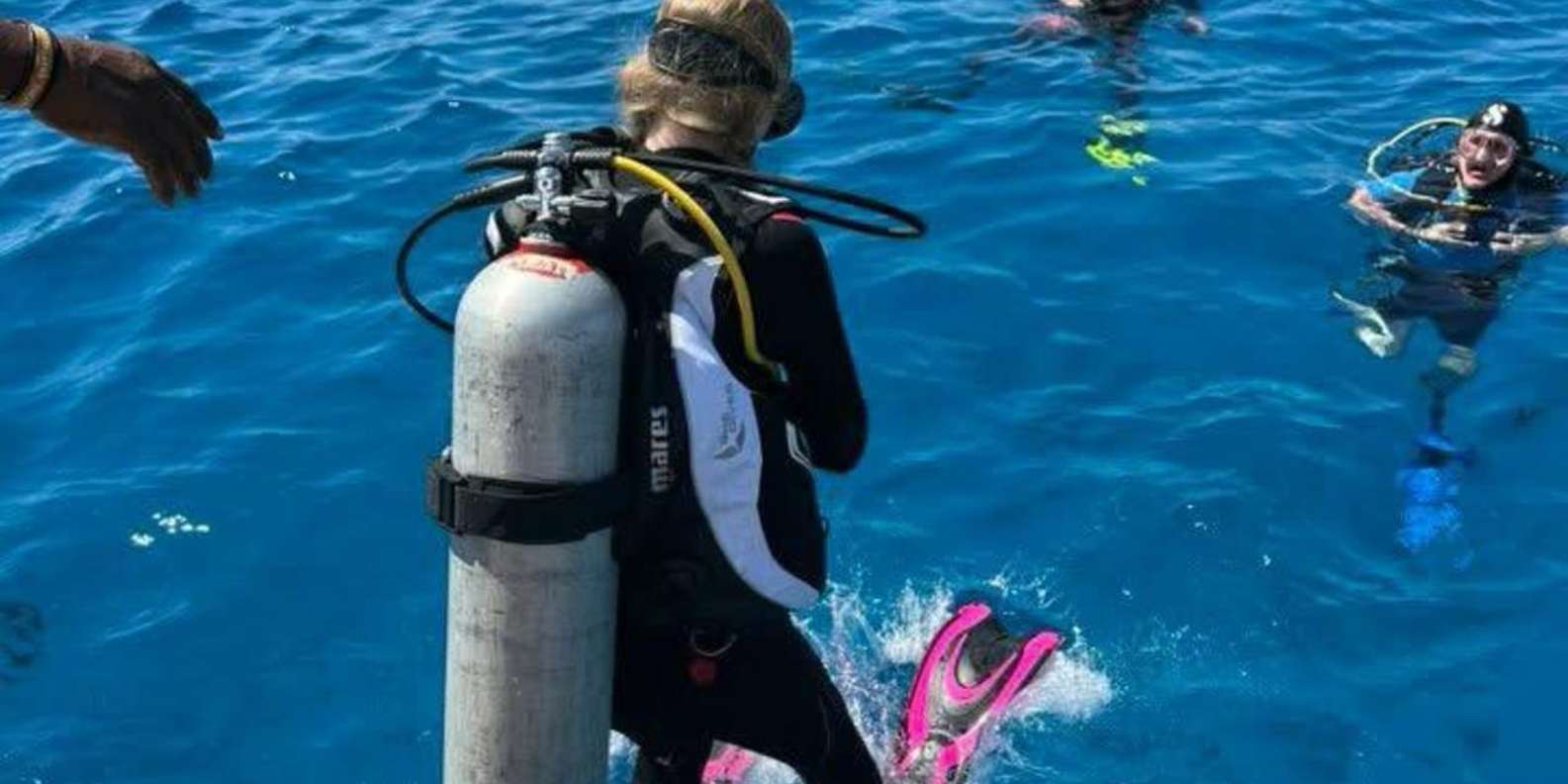
Hurghada & the Giftun Islands (Big Giftun / Small Giftun): For many first-timers, Hurghada is the easiest launchpad because day boats reach beginner-friendly reefs quickly. Around Giftun, you’ll find sloping reef edges and sandy patches that make mask clears, fin pivots, and buoyancy drills less stressful. Ask operators to choose sites with moorings and minimal current on the day—conditions can vary by wind direction and boat traffic.
Makadi Bay, Sahl Hasheesh, Soma Bay & Safaga: South of Hurghada, the coastline offers calmer resort logistics and a mix of shore dives and short boat rides. These areas are popular with training groups because entries can be controlled and navigation is straightforward along reef walls or gentle coral gardens. If you’re easing into diving after certification, a sheltered bay with a sandy bottom is ideal for rechecking weighting and getting comfortable with your breathing rhythm.
Sharm El Sheikh & Ras Mohammed National Park: Sharm’s boat infrastructure is polished, and Ras Mohammed has plenty of routes that work for beginners when seas are calm and guides choose protected sides. You’ll often start shallow on reef flats before drifting along the edge, which is excellent practice for staying close to your buddy and holding a steady depth. Be candid about your experience level—some Ras Mohammed sites can have current, so letting the guide pick the right mooring matters more than the name on the map.
Dahab (shore diving): Dahab is the place for divers who like a slower pace and clear routines—kit up on land, walk in, descend on a known line, and keep the exit simple. Shore entries reduce the stress of boat timing, and instructors can keep the plan conservative while you build consistency with equalization and buoyancy. Conditions still change with wind, so newer divers should prioritize sheltered entries and avoid sites with strong surface chop.
Marsa Alam (reef variety and quieter pace): Marsa Alam tends to feel less crowded, and many dives revolve around bays and reefs where you can keep the profile shallow. This is helpful if you’re focused on calm, controlled ascents and extra time practicing at 5 meters. It’s also a good region to reinforce reef etiquette—maintaining distance from coral heads and keeping fins up—because the coral structure is often close to the sandy channels you’ll be using for skills.
El Gouna (easy logistics): El Gouna is a convenient base for beginners who want organized pick-ups, predictable schedules, and short travel times to local sites. It’s a sensible option for your first few days of diving if your main goal is routine: setup, buddy check, calm entry, and a relaxed shallow profile to build confidence.
Best Time / Conditions
You can dive year-round. Expect roughly 22–24°C in winter rising to 28–29°C in summer; a 5 mm wetsuit with hood helps in cooler months. Morning trips bring calmer seas and fewer boats. Aim for light winds, slack tide, and briefings that match your comfort with current, surge, and entry style.
What to Expect
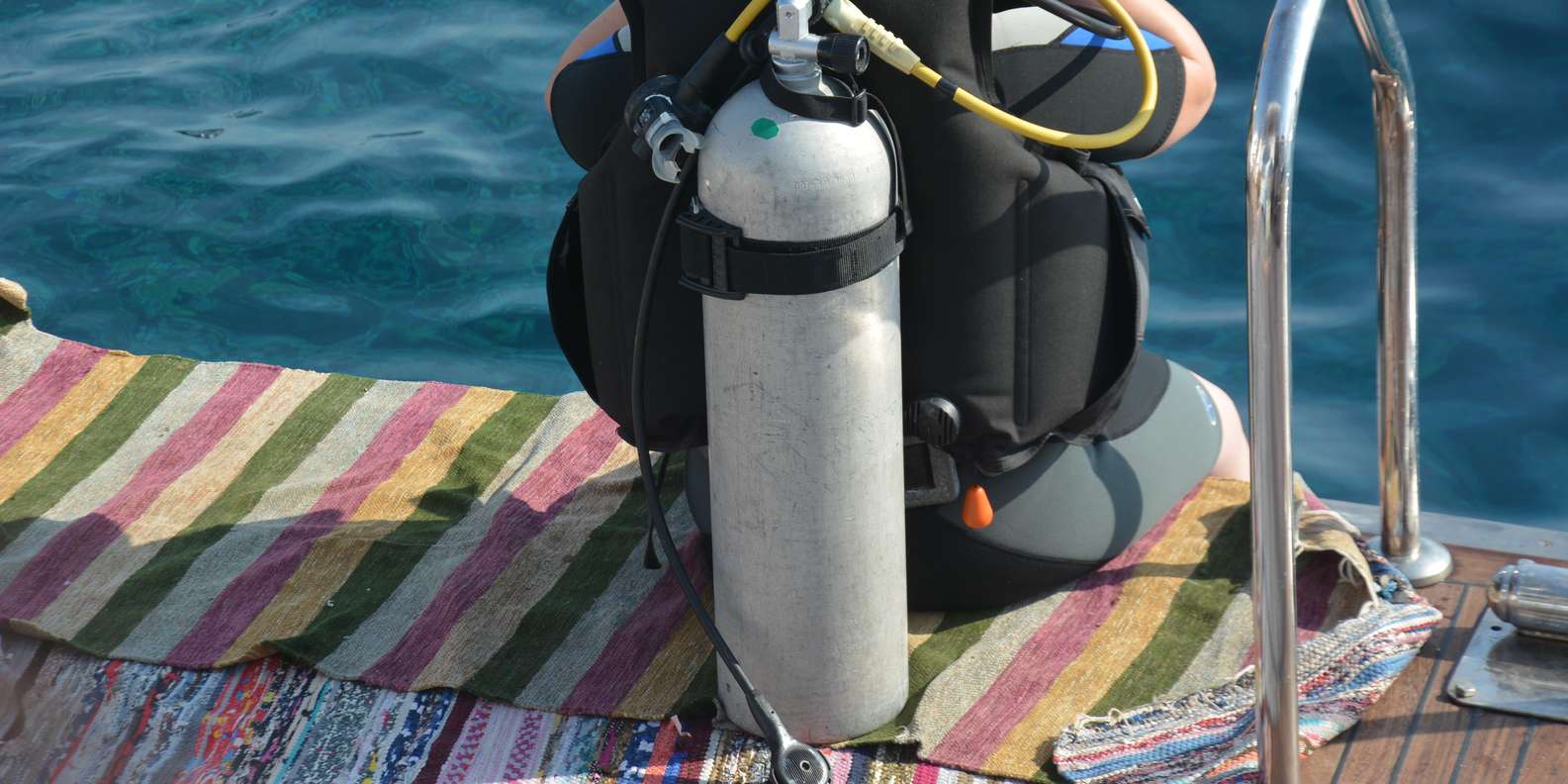
Before splash, your guide covers site map, maximum depth, route, hand signals, and separation procedures. Beginners should cap depth at 18 meters, monitor gas every five minutes, and perform a three-minute safety stop at around five meters. Some sites use negative entries; others offer easy giant strides or shore walks along ropes.
Who This Is For
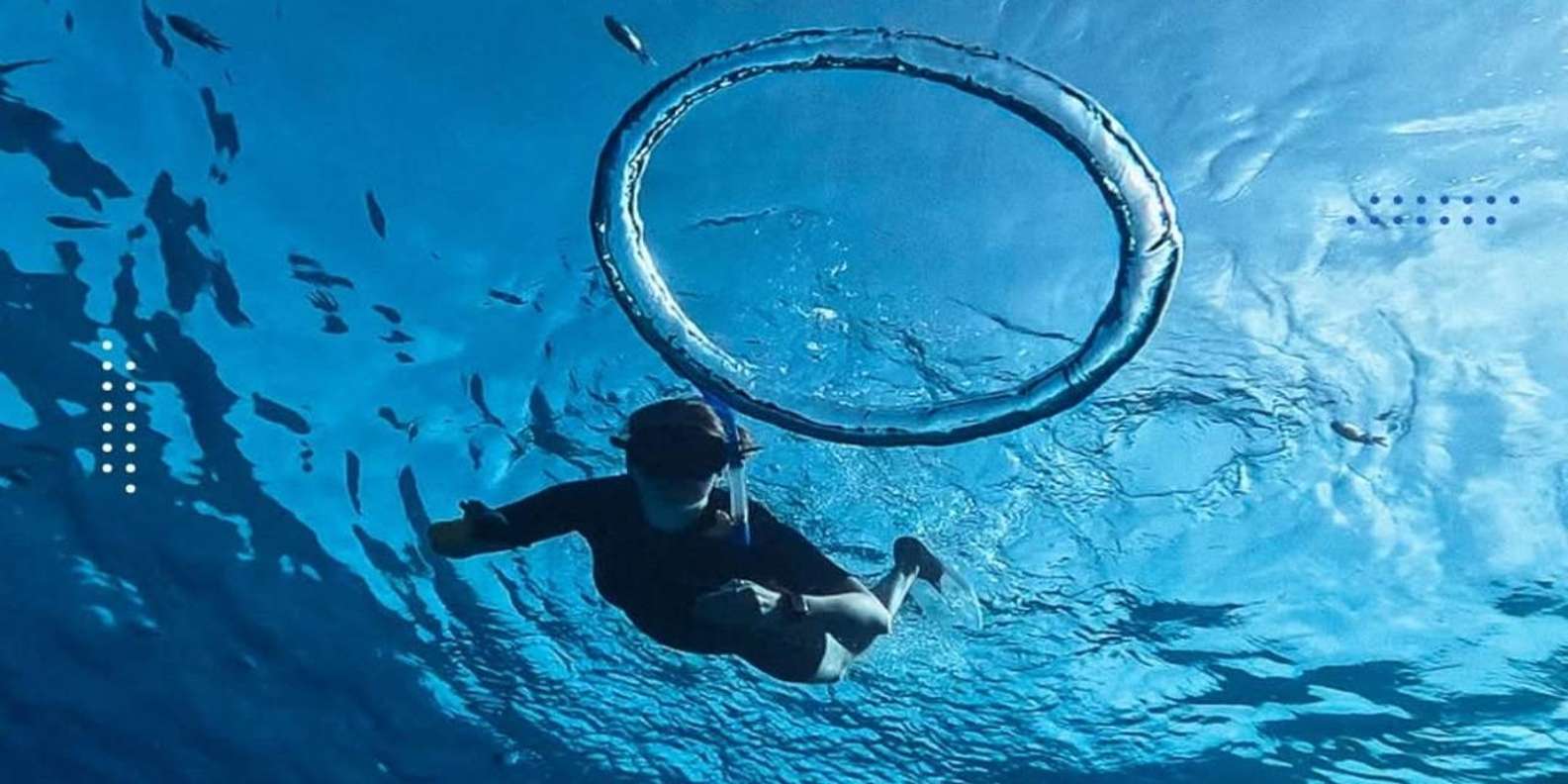
Newly certified divers, lapsed divers revisiting fundamentals, and confident snorkelers curious about bubbles will all feel at home. If anxiety spikes, request a private guide, shallow route, or shore entry. Photographers, remember: safety and buoyancy first, images second. Families can time short, two-dive mornings, leaving afternoons for recovery.
Booking & Logistics
Choose operators with small student ratios (ideally 4:1 or better), emergency oxygen, radios, and first-aid kits on deck. Confirm insurance requirements, rental sizes, and whether nitrox is available. For easy practice and vibrant reefs, the White Island & Ras Mohamed boat trip pairs shallow snorkel/drift options with pro supervision and smooth logistics.
Sustainable Practices
Excellent buoyancy is reef protection. Stay a meter off coral, keep fins high, and dive hands-free—no touching, riding, or collecting. Skip gloves unless required, use reef-safe sunscreen sparingly, and stow dangling gear. Control ascent rates, respect wildlife space, and never feed fish; your good habits keep Egypt’s corals resilient for future divers.
FAQs
New divers share the same questions: Do I need a certification, how deep is safe, and what if I’m nervous? Relax—good operators tailor routes to conditions, pair you with attentive guides, and build skills progressively. Start shallow, debrief honestly, and treat every briefing as the game plan you’ll stick to underwater.
Do I need a certification to dive the Red Sea?
Yes for independent dives. If you’re unlicensed, book a Discover Scuba/Intro program with pool skills and a shallow instructor-led dive. It’s a safe way to test comfort before committing to Open Water certification. Certified snorkelers can still join boats and enjoy reefs from the surface while planning training.
What safety checks should I do before every dive?
Run a full buddy check: BCD inflates/deflates, weights secured and quick-releasable, releases clipped, air open with two test breaths, and final go/plan—plus computer set to air or nitrox. Verify maximum depth, turn pressure, lost-buddy steps, and hand signals. Confirm emergency oxygen location and surface recall procedure on the boat.
How do Red Sea conditions affect beginners?
High visibility boosts confidence, but even gentle current can escalate task loading. Pick leeward sites and morning water when learning. Maintain a trim, slow kick, and keep neutral at five meters for stops. Agree on a depth cap (often 12–18 meters) and turn early if equalization, gas, or nerves waver.
Related reads and tours: Sharm El Sheikh travel guide, Ras Mohammed boat guide, Giftun Island snorkeling cruise, White Island & Ras Mohamed boat trip, Hurghada snorkeling guide, Red Sea destinations.


