
Red Sea Shark Sanctuaries 2025: Safe, Ethical Diving
Egypt’s Red Sea is one of the best places in the world to see sharks in a responsible way—if you choose the right sites, operators, and practices. This 2025 update explains what “shark sanctuary” means in the local context, where divers most often see species like oceanic whitetips and hammerheads, and how to plan dives that prioritize safety, reef protection, and respectful wildlife encounters.
What Makes This Experience Unique
The Red Sea’s shark encounters are driven by a mix of steep reef walls, deep drop-offs, and currents that concentrate nutrients and baitfish. That combination attracts pelagic species—especially around offshore pinnacles and exposed headlands—while fringing reefs closer to shore support healthier food webs and nursery habitat for reef fish that sharks prey on.
Unlike many destinations where shark tourism is centered on feeding, Egypt’s best shark diving is typically “natural encounter” diving. You’re positioning in current, watching the blue, and letting animals pass on their terms. When done properly, that approach reduces conditioning, avoids crowding, and produces more consistent, calm behavior from both divers and sharks.
There’s also a strong conservation angle. Many Red Sea reefs sit inside managed areas or are visited under rules that limit impacts—think no anchoring on coral, mooring use, briefings focused on buoyancy, and strict “look, don’t touch” policies. Your choices—boat size, group ratios, briefing quality—directly affect both safety and the health of these ecosystems.
Where to Do It
Shark “sanctuaries” in Egypt aren’t a single fenced zone; they’re a network of sites where protections, local management, and responsible operations matter. The most reliable shark encounters tend to be in offshore or current-swept areas, while nearer-to-shore reefs are better for training, skills refreshers, and reef biodiversity.
Sharm El Sheikh
From Sharm El Sheikh, day boats regularly visit Ras Mohammed’s classic current dives like Shark & Yolanda Reef. The name isn’t marketing—this area can produce shark sightings when conditions align, alongside dense schooling fish, big napoleons, and dramatic walls.
Tiran’s reefs (such as Jackson and Thomas) are also known for blue-water potential. Expect stronger currents at times, quick changes in visibility, and dives that reward good buoyancy and situational awareness. Operators with disciplined drift procedures and clear pickup protocols are key here.
Dahab
Dahab is best known for shore diving and technical routes, but it also offers access to deeper walls and blue-water edges where occasional pelagic sightings happen. Most travelers come for the relaxed logistics: gear-up on shore, short surface intervals, and straightforward dive planning with experienced local guides.
If you’re building experience before offshore shark sites, Dahab is a practical base for improving buoyancy, trim, and air consumption—skills that matter when you’re hovering midwater and watching the blue.
Hurghada, El Gouna, Makadi Bay, Sahl Hasheesh
These destinations are strong for reef diversity, warm-water comfort, and structured dive education. Many divers use them to refresh skills, complete an advanced course, or log current dives before moving on to more exposed offshore sites.
Day trips here often focus on coral gardens, pinnacles, and wrecks, with occasional larger-animal sightings depending on season and conditions. The value for ethical shark diving is preparation: a diver who can hold position without finning the reef is part of conservation.
Safaga & Soma Bay
Safaga’s reefs are known for walls and plateaus that can carry current. This is a solid middle ground between sheltered training sites and the most exposed offshore pinnacles. Expect lots of reef fish, healthy hard coral in places, and dives that teach you how to use the reef for shelter without grabbing living coral.
Soma Bay is convenient for logistics and typically offers comfortable boat rides and well-organized operations—useful if you want consistent diving days and professional briefings.
Marsa Alam
Marsa Alam is often the launchpad for more remote Red Sea diving and can be a strong choice for travelers prioritizing marine life and quieter reefs. Depending on itinerary and conditions, you may get chances for larger animals in addition to turtles and dugong-friendly seagrass areas farther south.
Because some sites here are more exposed, operators will commonly plan early starts and align dives with tide and current. That planning is part of ethical diving—less chasing animals, more working with nature.
Best Time / Conditions
Shark sightings in the Red Sea are seasonal and condition-dependent. In general, the warm season (late spring through autumn) brings higher water temperatures—often around the mid-20s °C and above—which can increase overall marine activity. Summer can also mean more boat traffic, so choosing well-managed operators and less crowded departures becomes more important.
Wind and current drive the experience as much as temperature. Many prime shark sites are current dives, and some are only appropriate when the sea state allows safe entries and pickups. The “best” day is the day with a competent briefing, a manageable current for your skill level, and a plan that includes conservative options.
Visibility commonly ranges from good to very good, but plankton blooms can reduce it—sometimes that’s when pelagics show. Bring a versatile setup (and mindset): a wide-angle lens for reef scenes, but be prepared for midwater silhouettes and fast-moving subjects.
What to Expect
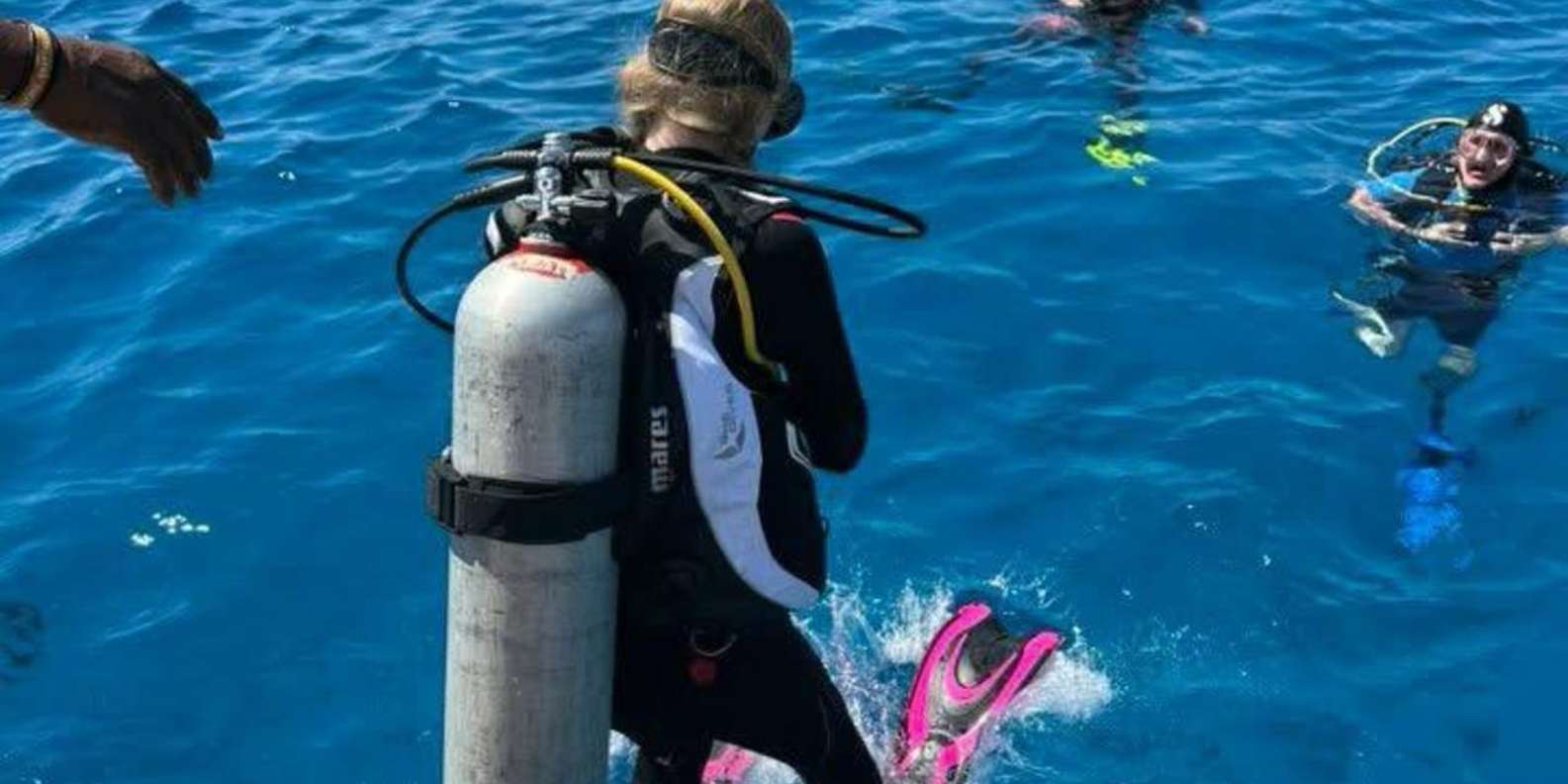
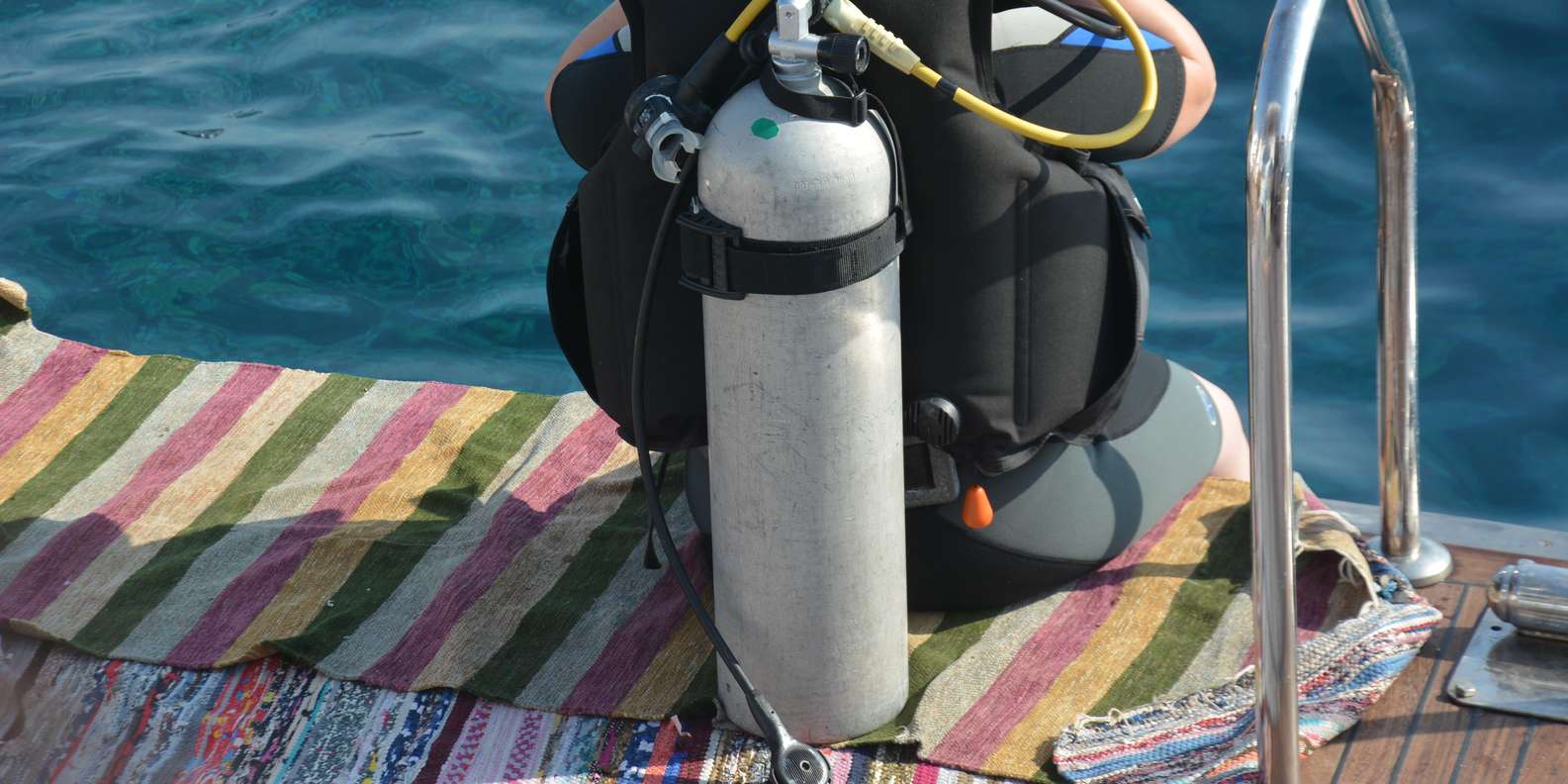
Ethical shark diving in Egypt typically starts with a detailed boat briefing: site topography, current direction, entry method (negative entry is sometimes used on offshore sites), depth limits, and where the group will wait and watch. The guide will usually emphasize staying compact, avoiding rapid movements, and maintaining a stable hover in the water column.
On many shark-prone sites, the dive rhythm is “reef for orientation, blue for opportunity.” You’ll move to a plateau edge or along a wall, settle into a sheltered spot, and scan outward. Divers who hold position calmly tend to see more; chasing into the blue often ends the encounter and increases risk.
Safety practices are simple but non-negotiable: stay with your buddy, don’t separate from the group, and avoid spearfishing or carrying fish. If a shark approaches, keep it in view, remain vertical or neutrally buoyant, and let it pass without blocking its path. Your guide may ask the group to cluster closer together in the water—this is standard risk management and helps prevent a single diver from becoming isolated.
Expect a strong focus on reef etiquette too. Offshore sites can be deceptively easy to damage because you’re task-loaded (current, depth, cameras). Good operators will remind you to secure hoses, keep fins up, and avoid contact with coral—especially on plateaus where hard coral can be brittle.
Who This Is For
This is best for divers who are comfortable with open-water conditions: drifting in current, making controlled descents, and maintaining buoyancy without a visual bottom reference. If your last dive was a while ago, a refresher day in Hurghada, El Gouna, Makadi Bay, Sahl Hasheesh, Soma Bay, or Safaga is a smart and ethical step before committing to more advanced sites.
Newer divers can still have responsible shark-adjacent experiences—reefs with strong biodiversity, occasional pelagics, and calm procedures—when matched to the right itinerary. The key is honesty about comfort level; ethical operators will adjust plans rather than push divers into conditions that increase stress and poor decision-making.
Photographers and videographers will appreciate Egypt’s wide-angle potential, but it comes with a responsibility: don’t crowd the guide’s position, don’t sprint after animals, and avoid creating a “wall” of cameras. The best shark shots usually come from patience, not pursuit.
Booking & Logistics
Plan your trip around a destination base and then choose day trips or a liveaboard-style itinerary depending on experience. Sharm El Sheikh and Hurghada have frequent boat schedules and broad operator choice; Marsa Alam is a strong option for access to quieter reefs and more remote routes. Dahab offers easy shore logistics and skill-building that can make later current dives safer.
Look for operators that clearly state: maximum group size, guide-to-diver ratios, use of mooring buoys (no anchoring on reefs), emergency oxygen on board, and a documented briefing process. Responsible shark diving is operationally disciplined—clear pickup procedures, surface support, and conservative call-offs when wind or current is too strong.
Pack for variable conditions. A 3–5 mm wetsuit covers many divers for much of the year, but you may want extra warmth for repetitive dives or windy days. Bring a surface marker buoy (SMB) if you’re trained to use it, reef-safe sunscreen for surface intervals, and seasickness prevention if you’re prone—offshore rides can be choppy.
If you want to dive “sanctuary-style,” ask in advance about the operator’s wildlife policy: no feeding, no touching, no chasing, and adherence to local marine park rules where applicable. The best trips set expectations early and repeat them before every dive.
Sustainable Practices
Ethical shark diving protects both sharks and the reef systems that support them. Choose trips that use mooring buoys, avoid anchoring, and keep divers briefed on buoyancy and fin awareness—coral damage accumulates fast on high-traffic sites.
Support operators that take a conservative stance on interactions: no baiting, no flash harassment at close range, and no “performance pressure” on guides to deliver shark sightings. Sharks are wildlife, not a guaranteed product, and the most sustainable operations treat sightings as a bonus rather than a promise.
Minimize your personal footprint: rinse gear in designated areas, avoid single-use plastics on the boat when possible, and never collect shells or coral fragments. If you see fishing line or debris and it’s safe to remove without damaging coral, alert your guide—many local teams coordinate cleanups and appreciate careful help.
FAQs
Are shark dives in Egypt safe?
Shark dives in Egypt can be safe when run by professional operators with strong briefings, conservative site selection, and clear group procedures. Safety depends heavily on conditions (current, visibility, surface chop) and diver behavior, so choosing an appropriate site for your level matters as much as the location itself.
Do Red Sea operators feed sharks?
On many of Egypt’s well-known sites, shark encounters are typically natural and not based on feeding. Policies vary by operator and area, so it’s reasonable to ask directly whether a trip involves baiting or feeding and to choose tours that avoid practices that condition wildlife.
What sharks might I see in the Red Sea?
Sightings vary by site and season, but divers commonly hope for pelagic species on offshore reefs and current-swept headlands, with occasional reef-associated sharks on certain walls and drop-offs. Your guide can advise what is realistic for the week you’re traveling based on recent reports and sea conditions.
What should I do if a shark comes close?
Stay calm, keep the shark in view, and maintain neutral buoyancy without sudden finning or reaching out. Move closer to your buddy or group if directed, avoid blocking the shark’s path, and follow the guide’s signals—steady, predictable behavior is the safest approach for both divers and sharks.
How can I choose an ethical shark diving tour?
Choose an operator that emphasizes no feeding, small groups, strong briefings, and compliance with marine park rules where applicable. Ethical tours also prioritize reef protection (mooring use, no anchoring) and will cancel or change plans when conditions or diver readiness make a site unsafe.
Diving in Egypt’s shark sanctuaries offers unparalleled access to the wonders of the Red Sea, from close-up encounters with whale sharks to exploring vibrant coral reefs teeming with marine life. By prioritizing safety, supporting conservation, and choosing ethical tours, visitors contribute to the ongoing protection of these critical ecosystems. Ready to plan your adventure? Explore our scuba diving tours or learn more about marine conservation in the Red Sea. For further insights and trip planning tips, visit our blog or contact our local experts for personalized recommendations.


