
Quiet Reefs, Clear Conscience: Dynamic Access Pricing on Egypt’s Red Sea
Quick Summary: A transparent, flexible reef pass nudges demand to healthier windows and sites, channels fees into moorings and rangers, and rewards travelers with calmer, richer encounters. Every booking becomes a choice to protect Egypt’s remarkably resilient Red Sea corals—while supporting local crews and coastal communities.
On a still morning, the Red Sea is a pane of cobalt glass, boats slipping out before heat and wind. With dynamic reef-access pricing, today’s choice—an early slot at a rested garden—costs a little less, feels far quieter, and funds the moorings beneath your hull. In busy hours or during heat-stress days, prices rise, easing pressure so corals can breathe. It reframes a fee as stewardship—and buys you space, silence, and the thrill of undisturbed color.
What Makes This Experience Unique
Dynamic pricing turns a conservation dilemma into a traveler’s win. Fees flex by time, site sensitivity, and recent stress, guiding demand to calmer windows and sturdier reefs. The result: fewer fins over fragile bommies, better visibility, and more natural behavior from turtles and anthias—plus transparent funding for patrols, moorings, and reef monitoring highlighted in our Red Sea coral reef report 2025.
Where to Do It
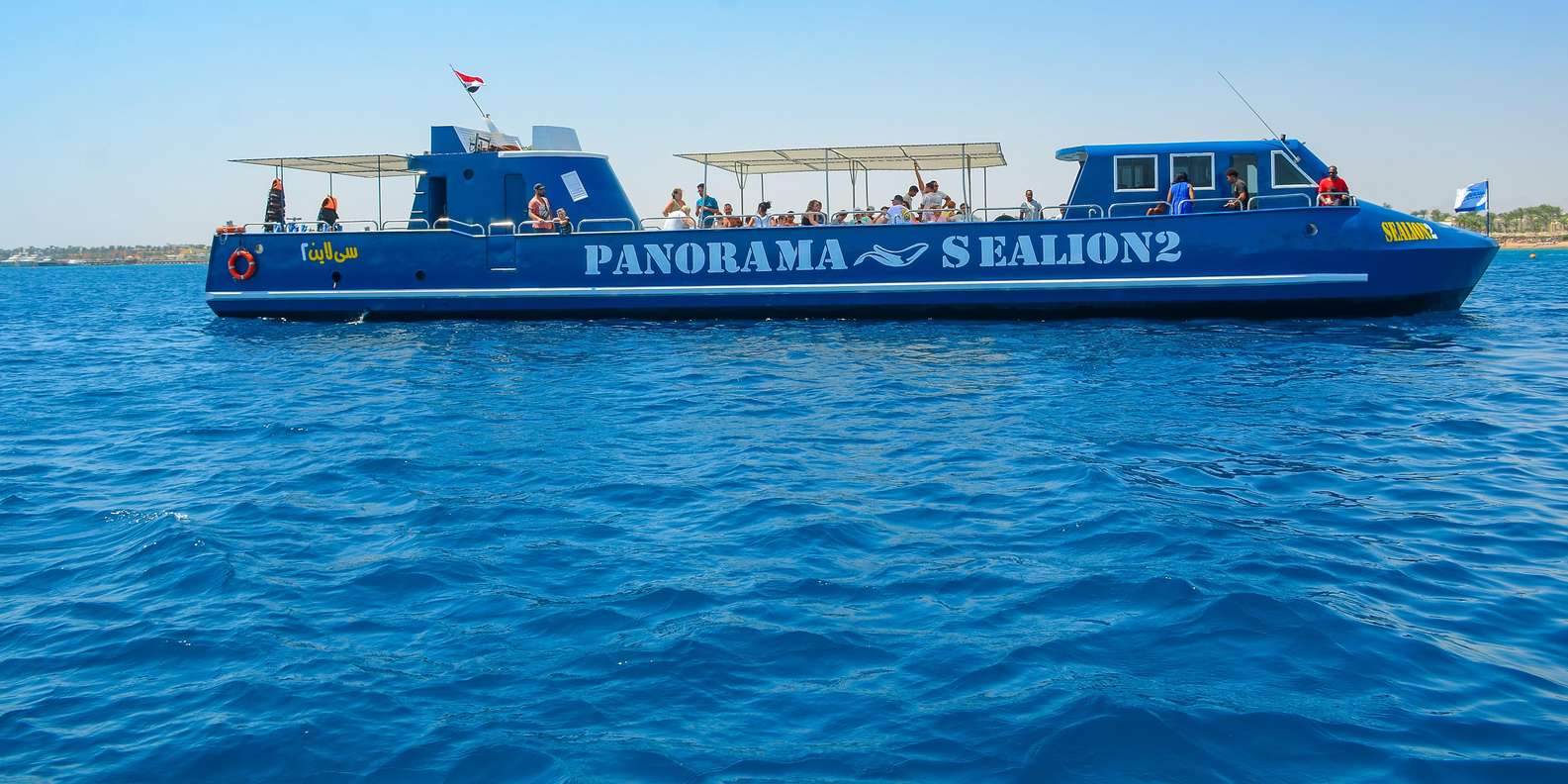
Hurghada’s Giftun gardens and Sharm el Sheikh’s house reefs are prime pilots; families can pair mellow sandbars with a deeper cultural dive using our Hurghada family guide. In Sharm, the best snorkeling spots near Sharm el Sheikh map calm bays and current-swept pinnacles, while a Tiran Island boat day adds classic drop-offs with moorings that avoid anchors.
Best Time / Conditions
Choose early departures (lighter winds, fewer boats), and watch the live calendar: green bands indicate rested reefs and lower prices; amber suggests recent pressure; red denotes closures or surge pricing during stress events. Typical snorkel depths are 1–3 meters, visibility runs 20–30 meters, and sea temperatures range roughly 22–30°C across seasons—so timing, not just weather, drives quality.

What to Expect
Booking shows real-time pricing by site and slot, with notes on currents, wildlife sensitivity, and capacity. A smartphone reef pass is scanned at the marina, and boats direct to color-coded moorings. Expect quieter water, briefings focused on finite carrying capacity, and, often, richer sightings—when schools settle and herbivores resume grazing without the jostle of crowds.
Who This Is For
If you value nature first—photographers, families, slow travelers—this model rewards flexibility with calmer seas and better behavior from fish and turtles. Parents can target shallow sandbar mornings; see our kid-paced snorkel days for gentle entries and safety tips. Divers and freedivers benefit too: fewer bubbles and fins preserve visibility and reduce stress on cleaning stations.

Booking & Logistics
From Hurghada, day boats typically reach fringing reefs in 20–60 minutes; from Sharm, expect 40–90 minutes depending on the site and seas. If your preferred reef shows amber or red, pivot to a cultural half-day ashore with a Hurghada city tour and return on a greener slot. Dynamic passes group families and photographers into low-impact windows for a smoother onboard rhythm.
Sustainable Practices
Bring long-sleeve rash guards to skip sunscreen runoff, or use legitimate reef-safe formulas. Keep a 3–5 meter buffer from turtles and rays; never stand on coral. Follow crew instructions at moorings, avoid drift lines, and pack out all plastics. Your variable fee directly supports mooring maintenance, ranger patrols, captain training, and localized waste management around busy marinas.
FAQs
Dynamic reef pricing can feel new, but it’s designed to be simple: pick a greener slot for a quieter day, or pay a higher rate only when necessary. Below, we answer the most common questions about value, fairness, and what happens if conditions change—so you can book confidently and focus on the sea.
Does paying more guarantee better wildlife?
Higher prices usually signal stress or peak demand, not premium front-row access. The best wildlife moments happen when pressure is lower—typically early, green-flag windows. Those slots are often cheaper and quieter. The model steers people away from sensitive times, letting fish school naturally and turtles surface without crowding.
Where does the money go?
Transparent breakdowns appear at checkout, but your pass generally funds mooring upkeep, ranger patrols, reef monitoring, and skipper training. A local share supports marina waste handling and small-boat safety upgrades. That funding keeps anchors off coral, enforces carrying limits, and builds the community buy-in essential for long-term reef recovery and resilience.
What if the reef closes on my day?
If a site flips to red—for weather, visibility, or heat stress—you’ll be offered a refund, a time shift, or a switch to a greener site. Many travelers pair reef days with onshore plans so nothing’s lost: a market wander, café stops, or a heritage walk, then back to sea when conditions improve.
Smart pricing proves that travel can heal what travel pressures. Choose the greener window, savor the hush at the mooring, and watch reefs behave like reefs again. When an access pass funds protection and trains local crews, your day on the water becomes part of Red Sea recovery—quietly, tangibly, beautifully.


