
Permit as Passport: Filming Egypt’s Red Sea by Drone—Legally, Lightly, and with Care
Quick Summary: Egypt’s Red Sea is breathtaking—and highly regulated for drones. With a local sponsor, advance permits, and wildlife‑first practices, you can capture compliant, cinematic footage while safeguarding reefs, parks, and communities. This guide turns rules into stewardship for travelers who film with purpose.
Egypt treats drones seriously—for good reason. Coral gardens, turtle nesting beaches, and military airspace sit side by side along this coastline. Think of permits as your passport to film responsibly: a structured way to earn access, plan safely, and leave only ripples behind. In Sharm El Sheikh and Hurghada, your best footage pairs compliance with care.
What Makes This Experience Unique
Securing a drone permit in Egypt isn’t just bureaucracy; it’s an ethics checklist. You will define flight windows, altitudes, and coordinates with a local sponsor, reducing disturbance to nesting seabirds, dolphins, and reef zones. The result is sharper storytelling and safer skies—cinema that respects community privacy and the Red Sea’s delicate, living architecture.
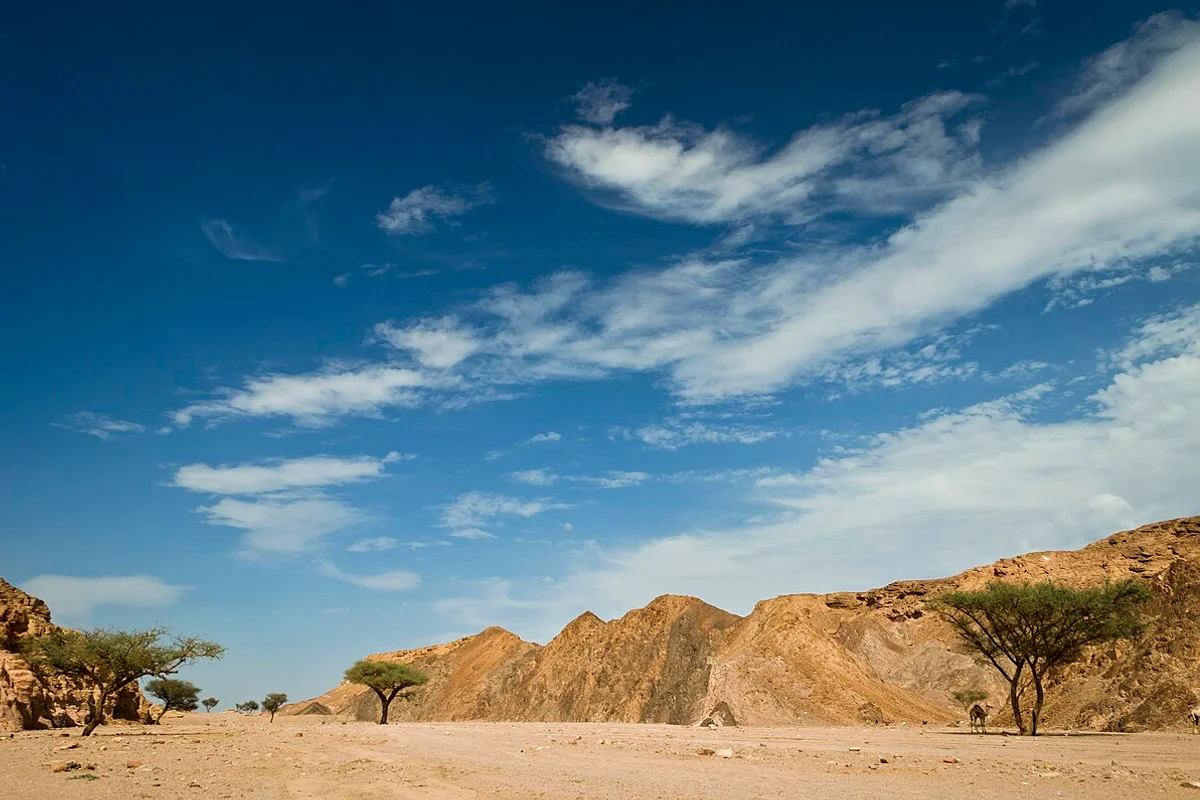
Where to Do It
Focus on permitted zones near major hubs, where logistics and oversight are strongest. South Sinai’s Ras Mohammed National Park enforces strict protections; flights require explicit approvals and sensitive buffers. Off Hurghada, boat-access sandbars near the Giftun Island snorkeling tour area are roughly 45–60 minutes by boat, with reefs starting just meters from shore and visibility often exceeding 20 meters.
Best Time / Conditions
Light winds and soft light reward planners. Spring and autumn bring steadier conditions; summer afternoons can see 12–20‑knot northerlies. Water temperatures range roughly 22–24°C in winter to 28–30°C in late summer. Aim for sunrise and the golden hour to minimize glare, boat traffic, and heat stress on batteries and operators.
What to Expect
With a permit, anticipate clearly defined polygons, altitude caps, and time windows, plus coordination with marine rangers when inside or near protected areas. You’ll likely stage from boats or marinas, with extra care for home‑point and compass calibration. Expect routine ID checks, insurance verification, and poka‑yoke steps like prop guards near crowds.
Who This Is For
Permitted Red Sea aerials suit documentary teams, conservation storytellers, and creators who can benefit from local production support. If you crave casual, spontaneous drone flights, this isn’t the destination. If you prize compliance, precise planning, and reef‑safe storytelling—paired with world‑class colors and contours—you’ll earn frames worth the effort.
Booking & Logistics
Work with a licensed local sponsor or production fixer at least 6–8 weeks in advance. You’ll submit passport scans, drone serials, insurance, a shot list, and mapped coordinates. Approval typically involves the Civil Aviation Authority and defense authorities. On arrival, travel with printed permits; some operators arrange secure airport clearance and equipment escort.
Sustainable Practices
Stewardship begins with where you don’t fly: avoid wildlife colonies, turtle nesting beaches, and crowded swim areas. Keep generous buffers over seagrass meadows where dugongs and turtles graze. Lower altitude gently reduces rotor noise and stress. When in doubt, land—and capture the mood from a flybridge, cliff lookout, or steady handheld gimbal instead.
FAQs
Drone rules across Egypt are dynamic and strictly enforced along the Red Sea. Treat this as guidance, not legal advice. The safest baseline: never import or fly a drone without written pre‑approval and a local sponsor. If your permit specifies coordinates, altitude, and dates, follow them precisely and carry hard copies during field checks.
Can tourists bring drones into Egypt without prior approval?
Generally, no. Travelers arriving with undeclared drones risk confiscation at airports. If you plan to film, secure written approvals in advance, list your device by serial number, and arrive with a contact person who can present permits on request. When unsure, leave the drone at home and hire a licensed local aerial team.
How do I apply for a Red Sea drone permit?
Start with a licensed local sponsor or production house. Provide passport scans, insurance, flight polygons, device specs, and a scene‑by‑scene plan. Authorities review security, airspace, and environmental impacts. Expect 6–8 weeks lead time. Only fly the approved locations, altitudes, and dates, and brief your crew daily before takeoff.
What are ethical alternatives if I can’t get a permit?
Tell the story without rotors. Book boat trips with upper decks for stable wide shots, climb safe coastal viewpoints, or film from jetties at first light. Parasailing and glass‑boat outings give elevated perspectives without wildlife disturbance. In marine parks, prioritize underwater sequences and shoreline atmospherics to protect nesting birds and turtles.
Ultimately, the most compelling aerials honor the sea beneath them. Plan deliberately, film lightly, and let the Red Sea’s textures do the heavy lifting. For trip planning around hubs, see our Sharm El Sheikh travel guide and Hurghada travel guide. Find more ideas in Travel Inspiration and explore rare marine life in the Red Sea to frame your conservation‑first narrative.

