
Film the Red Sea the Way It Feels: Smooth, Close, and Color‑True
Quick Summary: Pair site knowledge with calm buoyancy, get close to subjects, and use smart color management. Stabilize your rig, favor natural light or balanced LEDs, and build a simple story arc. Time dives for clear water and gentle current to make footage feel immersive.
Imagine dropping into glass—beams of sun fan across coral towers, clouds of orange anthias part, and the blue turns electric as a turtle lifts from the seagrass. The Red Sea is cinematic by nature: 20–40 m visibility, color‑drenched reefs, and charismatic life. Your job isn’t to “shoot everything”; it’s to translate that clarity into calm, intimate sequences that feel like being there.
What Makes This Experience Unique
The Red Sea’s palette is unusually saturated—magenta soft corals, neon wrasse, and ultramarine drop‑offs—rendered crystal by dry desert winds that keep runoff low. Currents can add graceful motion to schools and soft corals, and many sites offer close, shallow subjects. That combination invites natural‑light color and slow, steady composition rather than frenetic, flashlight‑heavy coverage.

Where to Do It
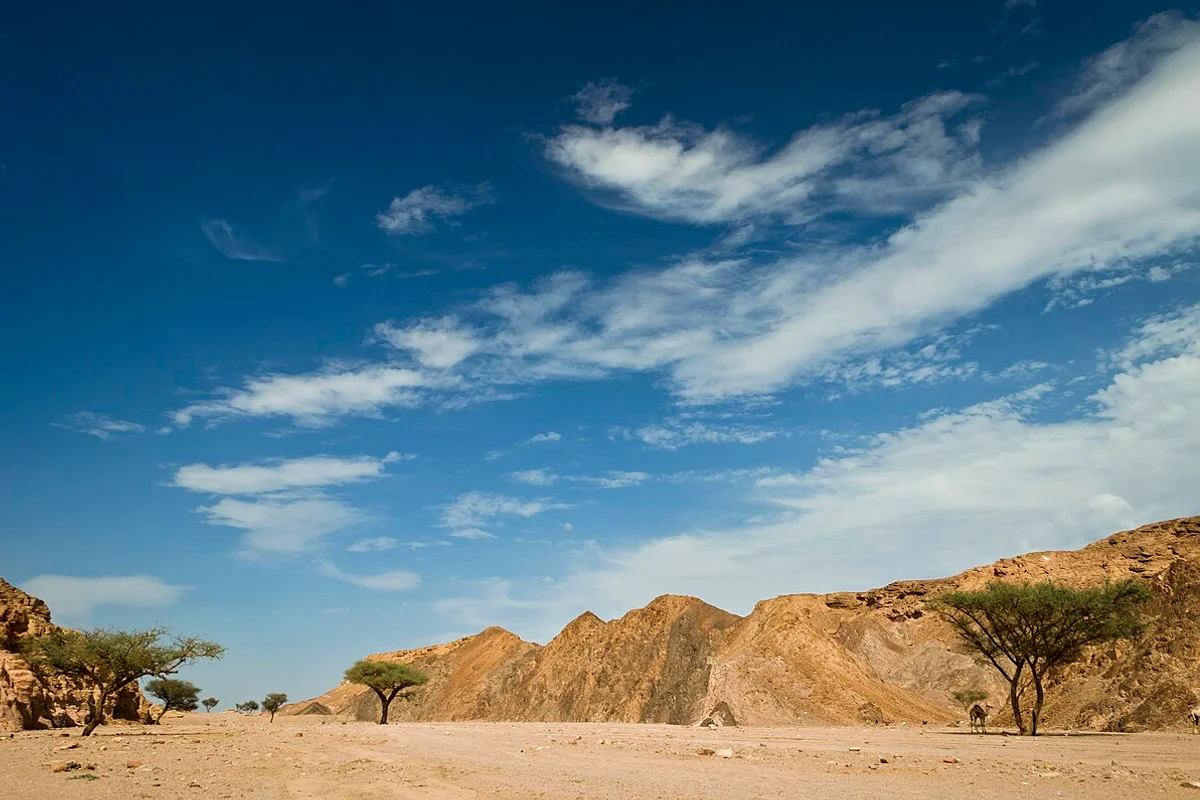
Base yourself in Sharm El Sheikh for fast access to Ras Mohammed National Park, typically 45–90 minutes by boat. For cobalt drama and shore entries, target Dahab’s Blue Hole (about 90 minutes by road from Sharm). Photogenic day boats and easy reef filming await from El Gouna, while advanced shooters seek Marsa Alam’s walls like Elphinstone, roughly 12 km offshore.
Best Time / Conditions
Expect warm water year‑round, roughly 22–24°C in winter and 27–29°C in late summer, with visibility often 20–40 m. For silky light and calmer seas, go early morning or on shoulder‑season days (March–June, September–November). Time wall dives for mild current; at Ras Mohammed’s Shark & Yolanda, slack or gentle drift keeps framing smooth.
What to Expect
Boat crews are used to cameras—look for rinse tanks, prep tables, and shaded charging. Many days run two or three dives with 60–90 minute surface intervals. Underwater, plan sequences: a wide establishing shot, mid‑shots of reef life, then a close, behavior‑driven moment. Keep each clip steady for 5–10 seconds so the edit breathes.
Who This Is For
Confident snorkelers and divers who can hover calmly and fin without stirring sand will thrive. Action cams excel for simplicity, while compact or mirrorless rigs reward careful color and light. Freedivers should prioritize buddy systems and shallow profiles for longer, stable takes. New divers can start with snorkel reels before tackling current‑swept walls.
Booking & Logistics
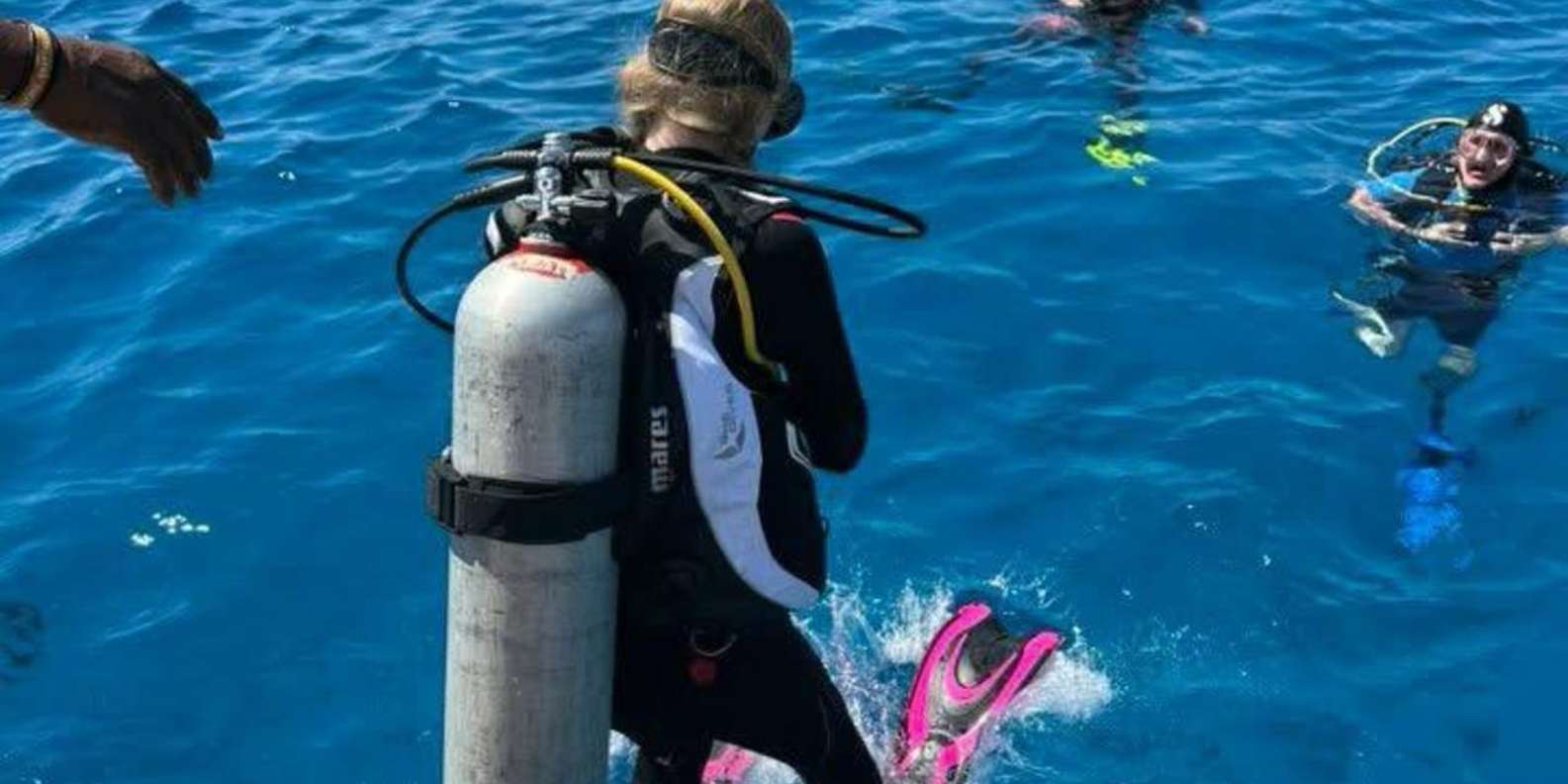
Choose operators that support creatives: camera rinse, charging, and crew briefed on gear handling. Bring two balanced video lights (2,500–5,000 lumens, 5,000–6,000K), a red filter for 5–15 m natural‑light shots, and plenty of power and storage (two batteries, 128–256 GB/day). Record 4K/60 for flexibility; shutter near 1/120; set manual white balance per depth.
Sustainable Practices
Stability is your superpower—and the reef’s shield. Perfect trim, keep fins up, and film at arm’s length instead of leaning on coral. Avoid spotlighting turtles and seahorses; let behavior unfold. Choose operators aligned with Green Fins guidance, secure dangly gear, and never feed or chase wildlife. Your footage looks better when nature acts naturally.
FAQs
These quick answers focus on translating the Red Sea’s clarity into smooth, color‑true clips. They cover steadiness in current, whether to favor lights or filters, and camera settings that honor the reef’s palette. Apply them with site‑savvy timing and you’ll come home with sequences that cut together effortlessly.
How do I keep shots steady in current without a scooter?
Adopt a slow frog kick, lock elbows, and use micro‑buoyancy—tiny inhales to rise, exhales to settle. Tuck in behind bommies or on the lee of a wall, letting soft corals show motion while you remain still. Start clips only when you’ve hovered hands‑free for two seconds.
Should I use video lights or a red filter in the Red Sea?
In shallow, clear water (to ~10–12 m), a red filter plus manual white balance preserves natural hues. Deeper or under ledges, twin lights recover reds and skin tones. Keep lights wide and even; toe them out slightly to avoid backscatter. Mix approaches per scene, not per entire dive.
What camera settings best preserve the Red Sea’s colors?
Shoot 4K/60 for smooth motion and reframing; lock shutter near 180‑degree rule (1/120 at 60p). Use flat or log if you grade, otherwise a neutral profile. Manually white‑balance every few meters. For behavior, hold clips 7–10 seconds; for scene‑setters, 3–5 seconds is enough.
When you film like a considerate guest—unhurried, close, and steady—the Red Sea returns the favor with luminous color and unguarded behavior. Build simple stories, respect the briefings, and, if Dahab tempts you deeper, review dedicated Blue Hole safety protocols before you roll. The shimmer is real; your footage can be, too.


