
Dahab’s Blue Hole, Red Sea: Facts, Myths & Safe Diving Tips
Quick Summary: Dahab’s Blue Hole is safe and spectacular when you respect depth limits, choose a qualified guide, and protect the reef. Here’s a grounded, conservation-first roadmap for confident snorkelers, divers, and freedivers.
Sun on the Sinai cliffs, cobalt water dropping into indigo: the Blue Hole is the Red Sea’s most storied sinkhole and, unfairly, its most misunderstood. Skip the legends. With a patient pace, a capable guide, and reef-first habits, you’ll discover a calm, shore-access site minutes from Dahab that’s every bit as safe as you make it—and more beautiful than the myths admit.
What Makes This Experience Unique
The Blue Hole is a near-perfect circle plunging beyond 100 meters, bordered by a living wall that glows in Red Sea light. Visibility often sits between 25 and 35 meters, letting you “fly” beside anthias clouds. The famous Arch—around 52–56 meters deep—is technical territory; for most visitors, the magic lives in the sunlit rim and the Bells-to-Blue-Hole drift.

Where to Do It
You’ll find the Blue Hole about 8–10 kilometers north of Dahab along a scenic coastal track with easy shore access and Bedouin cafes for staging. Many travelers day-trip from Sharm El Sheikh, roughly 90 minutes by road. Nearby, the Canyon offers an excellent companion dive, best scheduled when wind and crowds are lighter.
Best Time / Conditions
Conditions are friendliest in the morning before wind rises. Inside the Hole, current is usually mild; surge can build around the shallow saddle. Expect water temperatures of roughly 21–23°C in winter and 27–29°C in late summer; a 5 mm suit helps in cooler months. Visibility stays strong year-round, though wind chop can affect surface comfort.
What to Expect
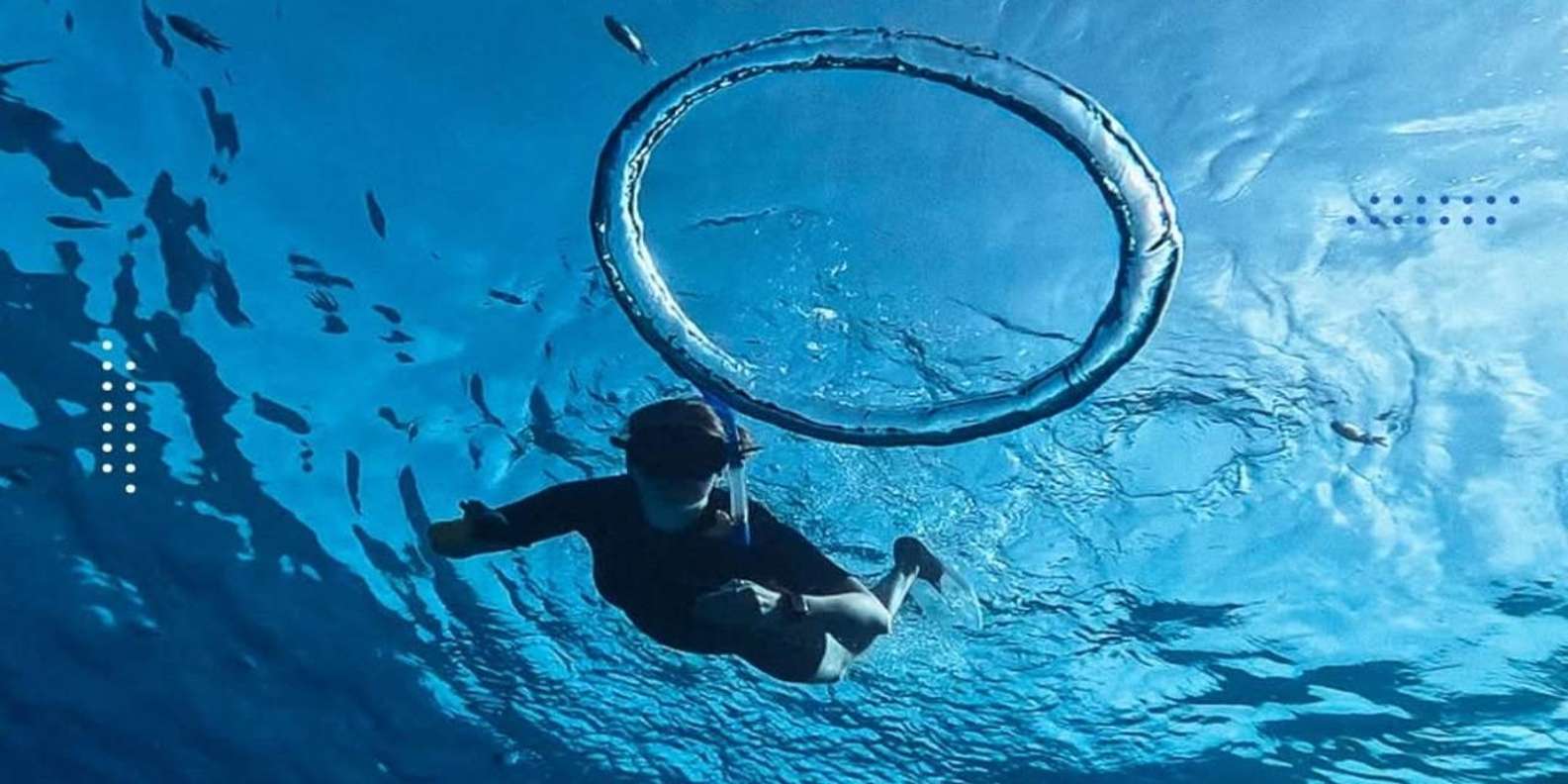
Most divers enter at Bells, dropping through a chimney around 5–18 meters and gliding south along the outer wall before crossing into the Blue Hole. Recreational divers should stay well above any overhead; freedivers train on fixed lines with surface safety. Snorkelers hug the rim, watching sunlight scatter over coral gardens and schooling fish.
Who This Is For
Snorkelers and Open Water divers can enjoy the rim’s 5–18 meter zone; Advanced Open Water adds confidence for deeper wall contours. The Arch is reserved for experienced technical teams with redundancy and mixed gas. Freedivers should train progressively with a certified instructor and a safety plan—line work, surface watch, and conservative depths.
Booking & Logistics
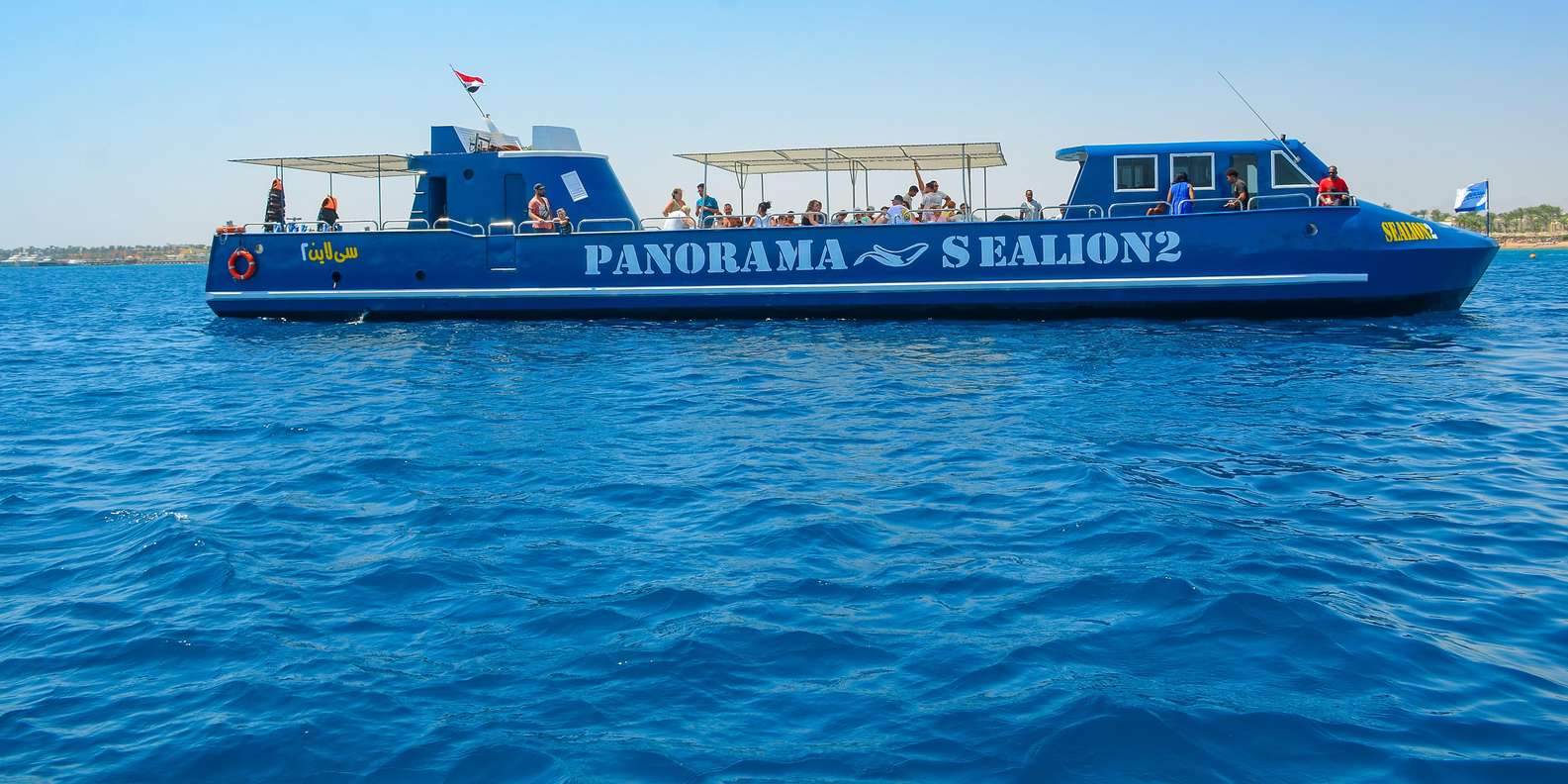
Choose operators with small ratios, emergency oxygen on site, and clear briefings. Ask about the dive plan, entry/exit points, SMB use, and weather calls. If you’re based in Sharm, consider a guided Blue Hole and Dahab City day trip. Prefer snorkeling plus sights? Book the Blue Hole with snorkeling and Dahab city tour for a paced, beginner-friendly day.
Sustainable Practices
Adopt a slow-fin mindset: no touching, no standing on rock, and absolute buoyancy control at the saddle. Use mineral, non-nano reef-safe sunscreen and secure dangling gear. Follow your guide’s spacing to limit kickback on corals. For deeper reading, see Routri’s Blue Hole safety protocols and choose operators who brief conservation—not just logistics.
FAQs
The Blue Hole’s reputation often comes from attempts beyond training, not from the site itself. Stay within your certification, avoid overhead environments, and communicate limits. Morning timing reduces wind chop; a patient guide sets the tone. Most visitors—snorkelers, recreational divers, and disciplined freedivers—experience a calm, controlled, and unforgettable day.
Is Dahab’s Blue Hole really dangerous?
It can be if you push beyond training, chase the Arch, or skip proper supervision. Treated as a shore-access wall with conservative depths, it’s a serene dive. The rim and outer wall are the focus for recreational profiles, with no need to approach overheads. Respect limits, plan your gas or breath, and keep exits in view.
Can beginners snorkel or dive the Blue Hole?
Yes—with guidance. Snorkelers can explore the rim’s clear shallows and the saddle entry. New divers should join an instructor-led check dive, stay within 12–18 meters, and avoid the Bells entry if conditions are choppy. Progression matters: add depth only after comfort is demonstrated, and opt for small groups to reduce crowding and stress.
What gear and certifications do I need?
Recreational divers should bring a 3–5 mm suit seasonally, spool/SMB, and a torch for shaded walls; Advanced Open Water is ideal. Freedivers need a lanyard, proper line setup, and a buddy team with surface watch. Technical Arch attempts demand redundant gas, mixed-gas training, and a practiced bailout plan—not a casual add-on.
Approach the Blue Hole with humility and curiosity, and it rewards you with luminous walls, effortless buoyancy, and Sinai silence. When you’re ready to go deeper on planning and training ideas, Routri’s ultimate Blue Hole diving and freediving guide ties everything together—so your first look into the blue feels like coming home.


