
Red Sea’s Living Museum: Wreck Diving Guide 2025
Quick Summary: In 2025 the Red Sea’s WWII wrecks feel like rooms in a living museum. Start with accessible classics, graduate to deeper legends, and book reputable, safety‑first guides. Expect long boat runs, 20–30 m visibility, briefings that matter, and strict no‑touch ethics.
At dawn, the Red Sea is a hush of diesel and gulls. You sip tea on deck while briefings trace timelines: 1941 bombers over the Strait of Gubal; cargos of motorbikes, rifles, and locomotives slipping into blue. By mid‑morning you’re finning through history, where rusted steel and thriving coral make time feel elastic.
What Makes This Experience Unique
Few places compress maritime history and marine life like the Red Sea. The SS Thistlegorm (16–32 m) reads like a museum gallery—Norton bikes, trucks, and boots—while the deeper Rosalie Moller (35–50 m) feels like a cathedral for advanced divers. Both sites merge storytelling with enormous biodiversity, from glassfish clouds to prowling trevallies.

Where to Do It
Most wreck itineraries run from Sharm El Sheikh for Ras Mohammed, Thistlegorm, Dunraven, and Abu Nuhas day trips or liveaboards. Use our Sharm El Sheikh guide to orient dive bases and seasonsSharm El Sheikh travel guide. Hurghada is ideal for Abu Nuhas’ quartet and flexible day boats, plus easy resort accessHurghada travel guide.
Best Time / Conditions
April–November offers warm seas and calmer runs; winter brings brisk winds and cooler water. Expect 20–30 m visibility, water temperatures roughly 22–29°C across the year, and occasional surface chop on the Strait of Gubal. Early departures reduce crowding and increase odds of fair moorings and relaxed penetration conditions.
What to Expect
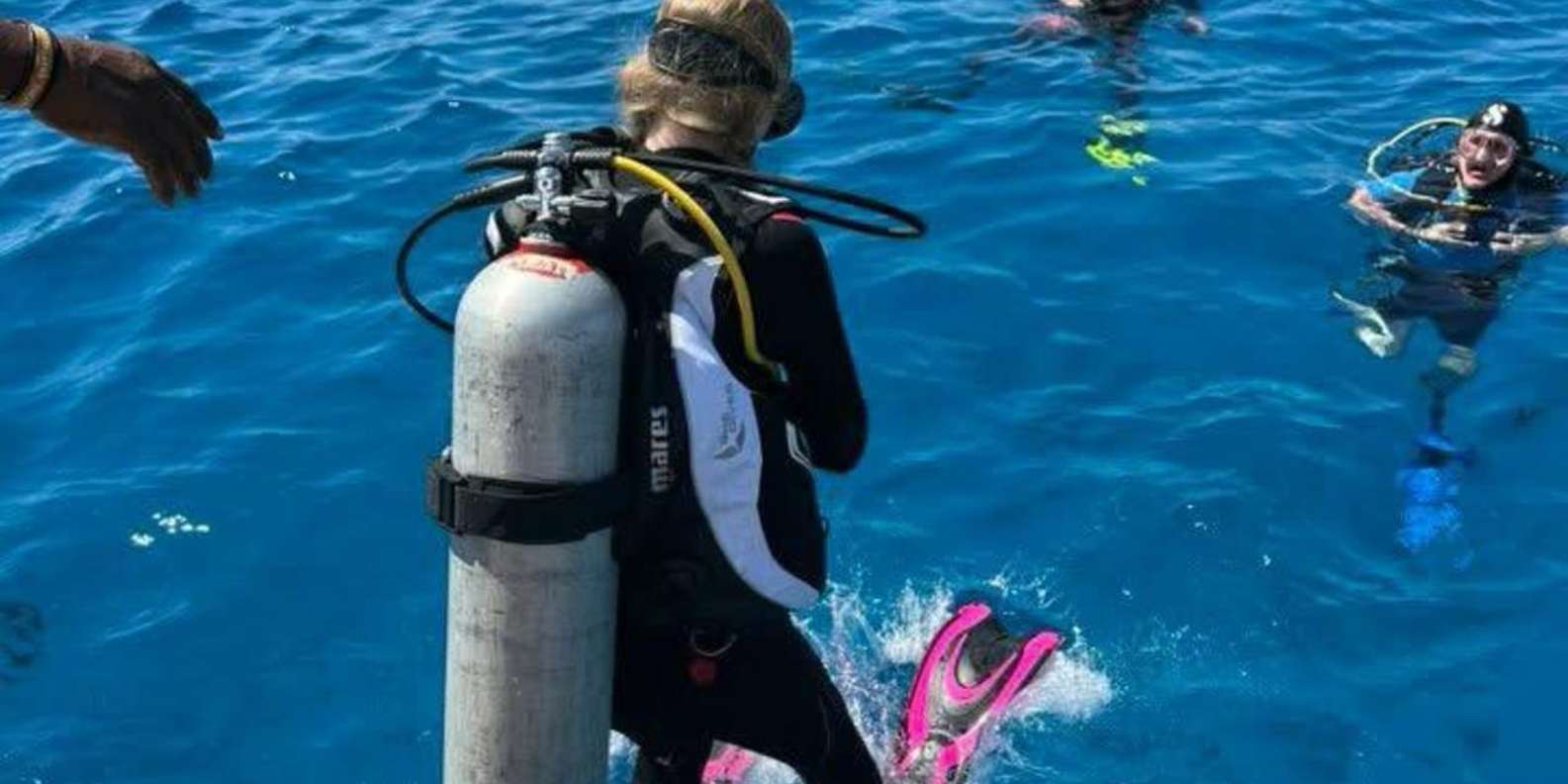
Plan early check‑ins, long boat rides—often three to four hours each way for Thistlegorm—and two dives per wreck, sometimes a third on a nearby reef. Briefings cover lines, reels, silt, and current. Bring an SMB, two torches for interiors, and nitrox if certified; photographers should pack wide‑angle domesunderwater photography ideas.
Who This Is For
Confident Open Water divers can enjoy Giannis D (10–27 m) and Dunraven (15–29 m) with no‑penetration tours. Advanced and nitrox divers will savor Thistlegorm’s holds; technical training opens Rosalie Moller’s deeper routes. Non‑divers can join boat days for snorkeling or opt for gentle city tours between dive days to keep energy balanced.
Booking & Logistics
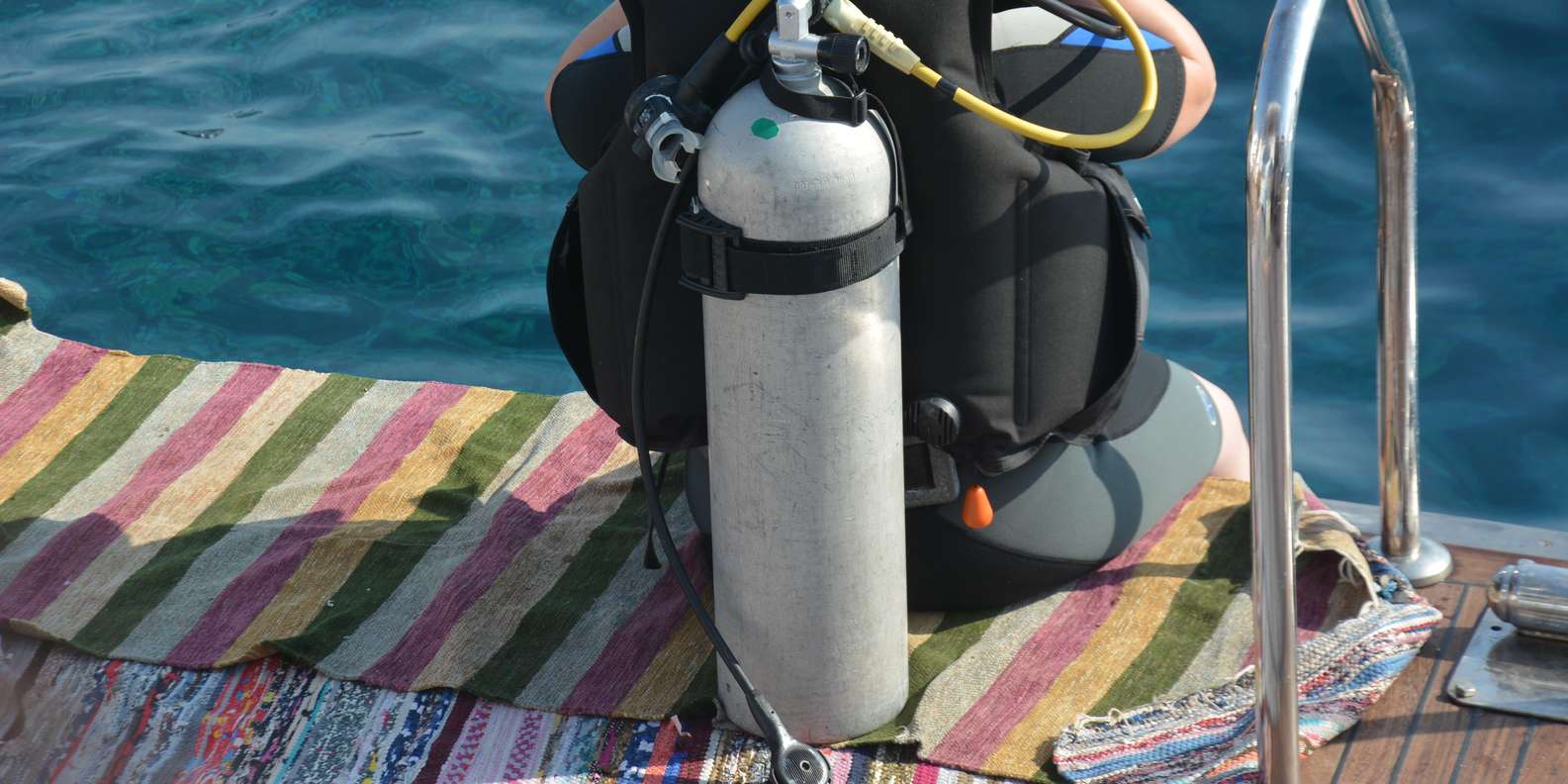
Choose operators with safety credentials, fixed moorings, emergency O2, and proper wreck briefings. Reserve nitrox in advance; bring certification cards and dive insurance. For rest days, consider a relaxed city circuit in SharmSharm city & shopping tour or a scenic monastery and Dahab day tripSt. Catherine & Dahab day tour. Liveaboards maximize multi‑wreck access with efficient routing.
Sustainable Practices
Think museum, not playground: perfect buoyancy, one‑finger rests on dead steel only, and no artifact handling. Choose boats using permanent moorings and reef‑safe sunscreen. Limit group sizes inside wrecks to prevent silt‑outs. Photographers: avoid fin contact, control strobes around skittish species, and follow guide lines to protect fragile growth.
FAQs
Wreck diving rewards prep and restraint. Guides tailor routes to conditions, certification, and comfort levels, so communicate honestly about experience. Ask about moorings, currents, and contingency sites. If you’re new to wrecks, begin with exterior circuits before stepping inside; your air management and trim should feel automatic before penetration.
Do I need advanced or technical certification?
Not for every site. Many Red Sea wrecks offer rewarding exterior tours within 18–25 m. Advanced and nitrox make Thistlegorm more comfortable, extending safe bottom time in the holds. Technical training is recommended for deeper profiles and extended penetrations such as Rosalie Moller, especially when currents or visibility complicate exits.
Is Thistlegorm suitable for a first wreck dive?
Yes, with a conservative plan. Start with an orientation lap outside, then add shallow interior swim‑throughs under a guide if buoyancy and gas planning are solid. Expect current on ascent lines and crowds at peak hours; early departures help. Two torches, a spool, and an SMB significantly increase safety and calm.
How do weather and currents affect wreck days?
Wind dictates comfort and access; winter gusts can cancel runs or limit moorings. Currents vary by tide and can be brisk on descent lines and open decks. Your captain may shuffle the order—Abu Nuhas before Thistlegorm, for instance—to optimize shelter. Flexibility and listening to briefings keep days smooth and safe.
In the end, the Red Sea’s wrecks ask only respect: for the lives once aboard and the reef that adopted them. Begin with photogenic shallows, then graduate to deeper chapters when ready. For site‑by‑site inspiration near Sharm, browse our local dive roundupbest Sharm dive sites guide, and plan your next descent with intention.


