
Chasing Golden Hour: Red Sea Sunsets from Ras Mohammed to Hurghada Marina
Quick Summary: Trade dives for dusk: start atop Ras Mohammed’s raw cliffs, pause for shoreline amber in Dahab, and finish with a polished marina glow in Hurghada. Expect 40–60 minutes of prime “golden hour,” mirror‑calm water, and silhouettes of sails—plus easy tours, ethical practices, and camera‑ready foregrounds.
What Makes This Experience Unique
Golden hour on the Red Sea amplifies contrasts: pale reef shallows glow turquoise while Sinai’s serrated ridges go auburn. The sea often lies glassy at dusk, doubling every mast and cliff. Because resorts, marinas, and national‑park viewpoints align west‑northwest, you get reliable silhouettes and water reflections—natural “negative space” even smartphones render like cinema.
Where to Do It
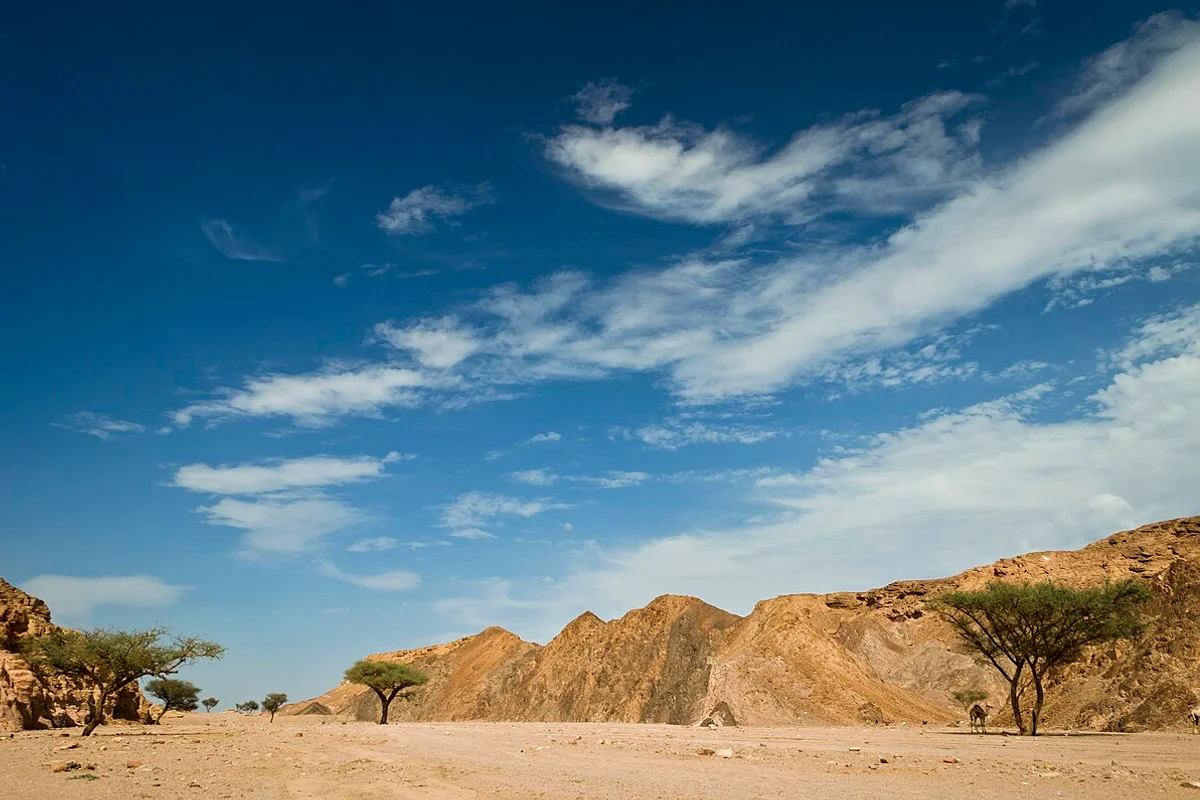
Ras Mohammed National Park (Sharm El Sheikh): For big, elemental views, head to the park’s cliff and shoreline viewpoints where desert meets reef shelf. Late light catches the limestone and sand in warm tones, while the water below shifts from deep cobalt to copper near the horizon. Bring a wide lens (or panoramic mode) for frames that include the headlands and the Red Sea gradient.
Sharm El Sheikh’s Old Market & coastal promenades: If you want sunset with atmosphere rather than wilderness, the coastal corners near town pair sky color with minaret silhouettes and low, warm street lighting. It’s an easy option on non-dive days, and you can time it so you’re already walking as the light turns—no gate times or park logistics.
Dahab (Lighthouse area & seafront cafés): Dahab is built for people-scale foregrounds—tea glasses on low tables, snorkel ladders, and the outline of the Sinai mountains darkening behind the bay. The Lighthouse area is handy because you can snorkel earlier, then dry off and settle in for the last hour with a clear view across the water.
El Gouna (Abu Tig Marina & lagoon edges): For polished reflections, El Gouna’s marinas and lagoons are reliable when winds drop at dusk. The calm basins turn masts and quay lines into symmetry, and the water often stays smooth enough for crisp mirror shots until the first evening breeze returns.
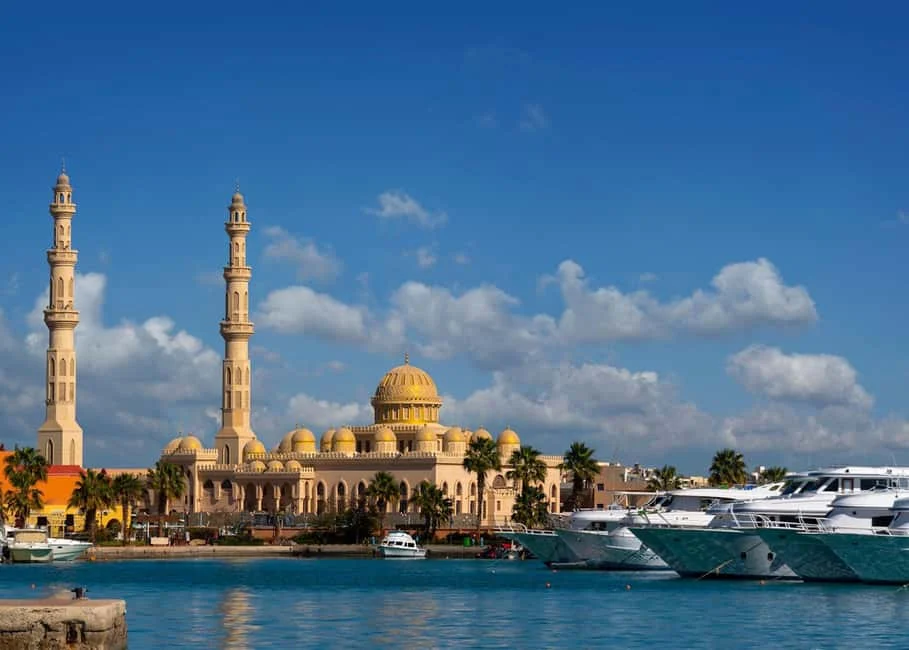
Hurghada Marina: Hurghada’s marina is one of the easiest sunset setups on the coast: walkable promenades, plenty of clean sightlines, and consistent silhouettes from sailboats and moored dive boats. Arrive early enough to claim a railing spot, then stay through blue hour when the basin lights begin to reflect.
Makadi Bay & Sahl Hasheesh (shoreline walks): South of Hurghada, the resort bays are great for a quieter, less “city” feel—especially on evenings when the sea goes flat. Sahl Hasheesh’s long seafront stretches make it easy to walk along the waterline as colors change, while Makadi’s bays give you uninterrupted horizon with fewer marina lights.
Soma Bay & Safaga (headlands and open-water horizons): The Soma Bay peninsula and the Safaga area often deliver clean horizons, with fewer buildings in frame. If you like minimalist compositions—one boat, one horizon line, a layered sky—these stretches suit simple, graphic sunset photography.
Marsa Alam (beach sunsets with quiet shorelines): Marsa Alam sunsets tend to be calmer and less crowded, especially from resort beaches where the foreground can be dunes, palms, and anchored boats. Plan your viewpoint with a clear western angle; some bays curve, so a short walk along the sand can dramatically improve your horizon line.
Best Time / Conditions
Late October–April brings crisp air, 20–30 m visibility, and painterly sunsets; summer offers warmer seas but hazier horizons. Plan to be in place 25 minutes before the sun hits the ridge line; golden hour typically lasts 40–60 minutes. Winds often ease at dusk, leaving calm water that delivers perfect reflections for marina shots.
What to Expect
At Ras Mohammed, anticipate wide, cliff‑to‑sea panoramas; in Dahab, shoot people‑scale moments—cafes, snorkel ladders, camels—against tangerine water. Marina settings shift to symmetry: masts, quay lights, and mirror‑still basins. Sea temperatures hover around 23–29°C through the year, with evenings pleasantly cool in winter—bring a light layer for boat decks.
Who This Is For
Photographers chasing easy, high‑impact frames; couples after a soft‑focus evening; families who prefer promenades over late‑night bars; and divers wanting an off‑gas hour that still feels like adventure. If you love silhouettes, reflections, and walkable viewpoints without scrambling, this coast turns sunset into a low‑effort, high‑reward ritual.
Booking & Logistics
How to plan a sunset “route” by base: If you’re staying in Sharm El Sheikh, pair Ras Mohammed with an earlier swim or snorkel, then time your return so you’re not rushing at the gate close. From Dahab, you can keep it simple: finish water time mid‑afternoon and shift straight to the seafront. In Hurghada, El Gouna, Makadi Bay, Sahl Hasheesh, Soma Bay, and Safaga, sunset is often a short drive or walk—ideal for a low-commitment evening between excursions.
Boat vs. shore: Shore viewpoints are easiest for consistent framing and quick exits after dark. A short boat trip can give you a clean horizon without buildings, but wind can pick up on open water even when marinas stay calm, so bring a light layer and keep gear protected from spray. If you’re shooting from a deck, arrive early to claim a stable spot near the centerline to reduce motion.
Timing and arrival: Build in buffer time: arrive 25–40 minutes before sunset to scout angles, pick foreground elements (railings, masts, palms), and test exposure. Stay 10–20 minutes after the sun drops for deeper colors and the first marina lights—often the most flattering moment for reflections. If you’re moving between locations, prioritize one primary spot rather than trying to “collect” multiple sunsets in one evening.
What to bring: A light jacket for winter evenings, a small microfiber cloth for lenses (salt air leaves a film fast), and a headlamp or phone torch for the walk back without relying on flash. For families, bring water and a small snack—sunset waits are easier when everyone’s comfortable. If you’re coming straight from the sea, pack a dry bag so wet snorkel gear doesn’t soak camera kit.
Getting there and getting back: Within resort hubs, walking is often the best option around marinas and promenades. For longer hops—Sharm to Ras Mohammed or Hurghada to Soma Bay/Safaga—use licensed transport and aim to finish the drive before full dark when possible. If you’re booking through a tour platform like Routri, look for clear pickup windows and return plans that don’t rush the best light.
Sustainable Practices
Keep dunes and fragile plants intact by sticking to marked Ras Mohammed viewpoints. In marinas, avoid flash at close range around birds and skip drones unless locally permitted. Choose operators with reusable cups, clear waste protocols, and reef‑safe messaging; pack your own bottle and carry out all litter, even fruit peels.
FAQs
Sunset on the Red Sea rewards a flexible plan: cliff overlooks for scale, promenades for people and café glow, and boats for uninterrupted horizons. Below, we cover combining activities, road safety at dusk, and practical camera tips—so your evening feels effortless and your photos carry that unmistakable Red Sea mood.
Can I combine snorkeling with a sunset itinerary?
Yes—snorkel mid‑afternoon, then transition to promenades or a boat by golden hour. Leave water 60–90 minutes before sunset to rinse, warm up, and move to your chosen vantage point. This avoids fatigue and keeps gear dry when the light peaks. On boats, secure wet kit away from deck lighting.
Is it safe to drive between hubs at dusk?
Within resort towns, main roads and marina promenades are well‑lit and patrolled, making evening walks and short rides straightforward. For intercity transfers, plan arrivals before dark; Sinai highways can be long and exposed, with checkpoints and stretches lacking lighting. Use licensed drivers and confirm routes with your hotel concierge.
What camera settings capture Red Sea sunsets best?
Start around ISO 100–200, f/5.6–f/8, and 1/125–1/250 sec for silhouettes; expose for the sky to preserve color. For reflections, drop shutter to 1/60 sec as light fades and brace on a railing. Smartphone users: lock exposure on mid‑sky and reduce brightness a notch to keep gradients rich.
Golden hour along Egypt’s Red Sea is a gentle ritual: sandstone warms, water stills, and the coast trades activity for atmosphere. Drift it your way—cliffs at Ras Mohammed, café steps in Dahab, lagoon marinas in El Gouna, then the polished calm of Hurghada—letting the light, and your pace, decide the frame.


